10 años 2021 – 4

Cuarta (4ª) y última entrada conmemorativa del año 2021

Venimos de aquí:  https://moneditis.com/2025/08/01/10-anos-2021-3/

https://moneditis.com/2025/07/19/10-anos-2021-2/

https://moneditis.com/2025/07/04/10-anos-2021-1/

https://moneditis.com/2025/06/07/10-anos-2020-4/

https://moneditis.com/2025/05/03/10-anos-2020-3/

https://moneditis.com/2025/04/12/10-anos-2020-2/

https://moneditis.com/2025/03/21/10-anos-2020-1/

https://moneditis.com/2025/02/21/10-anos-2019-4/

https://moneditis.com/2025/01/25/10-anos-2019-3/

https://moneditis.com/2024/12/05/10-anos-2019-2/

https://moneditis.com/2024/11/09/10-anos-2019-1/

https://moneditis.com/2024/10/19/10-anos-2018-5/

https://moneditis.com/2024/09/20/10-anos-2018-4/

https://moneditis.com/2024/08/06/10-anos-2018-3/

https://moneditis.com/2024/08/06/10-anos-2018-2/

https://moneditis.com/2024/07/12/10-anos-2018-1/

https://moneditis.com/2024/06/23/10-anos-2017-5/

https://moneditis.com/2024/06/01/10-anos-2017-4/

https://moneditis.com/2024/05/25/10-anos-2017-3/

https://moneditis.com/2024/04/27/10-anos-2017-2/

https://moneditis.com/2024/04/11/10-anos-2017-1/

https://moneditis.com/2024/03/22/10-anos-2016-4/

https://moneditis.com/2024/01/25/10-anos-2016-3/

https://moneditis.com/2024/01/25/10-anos-2016-2/

https://moneditis.com/2024/01/25/10-anos-2016-1/

https://moneditis.com/2023/12/16/10-anos-2015-5/

https://moneditis.com/2023/12/08/10-anos-2015-4/

https://moneditis.com/2023/11/25/10-anos-2015-3/

https://moneditis.com/2023/11/18/10-anos-2015-2/

https://moneditis.com/2023/11/04/10-anos-2015-1/

https://moneditis.com/2023/10/28/10-anos-2014-4/

https://moneditis.com/2023/10/14/10-anos-2014-3/

https://moneditis.com/2023/09/30/10-anos-2014-2/

https://moneditis.com/2023/09/16/10-anos-2014-1/

https://moneditis.com/2023/08/30/10-anos-2013/

Vamos a por la trigésima sexta (36) entrada conmemorativa; el enlace inferior conecta con la parte del blog tratada, a partir de octubre de 2021

https://moneditis.com/page/20/

Comenzamos esta cuarta (4ª) entrada del 2021 con   Banco de Rusia emisiones 2021    e    Inéditas monedas   , con las que siempre hay que tener cuidado. Ser el primero en lo que sea siempre tiene un riesgo asociado importante. La moneda siguiente no es inédita, pero…

image02007

Lot 2007 Starting price: 900 EUR  Current bid: None  Minimum bid: 900 EUR

SPANISH MONARCHY: CHARLES III
Charles III (1759-1788)
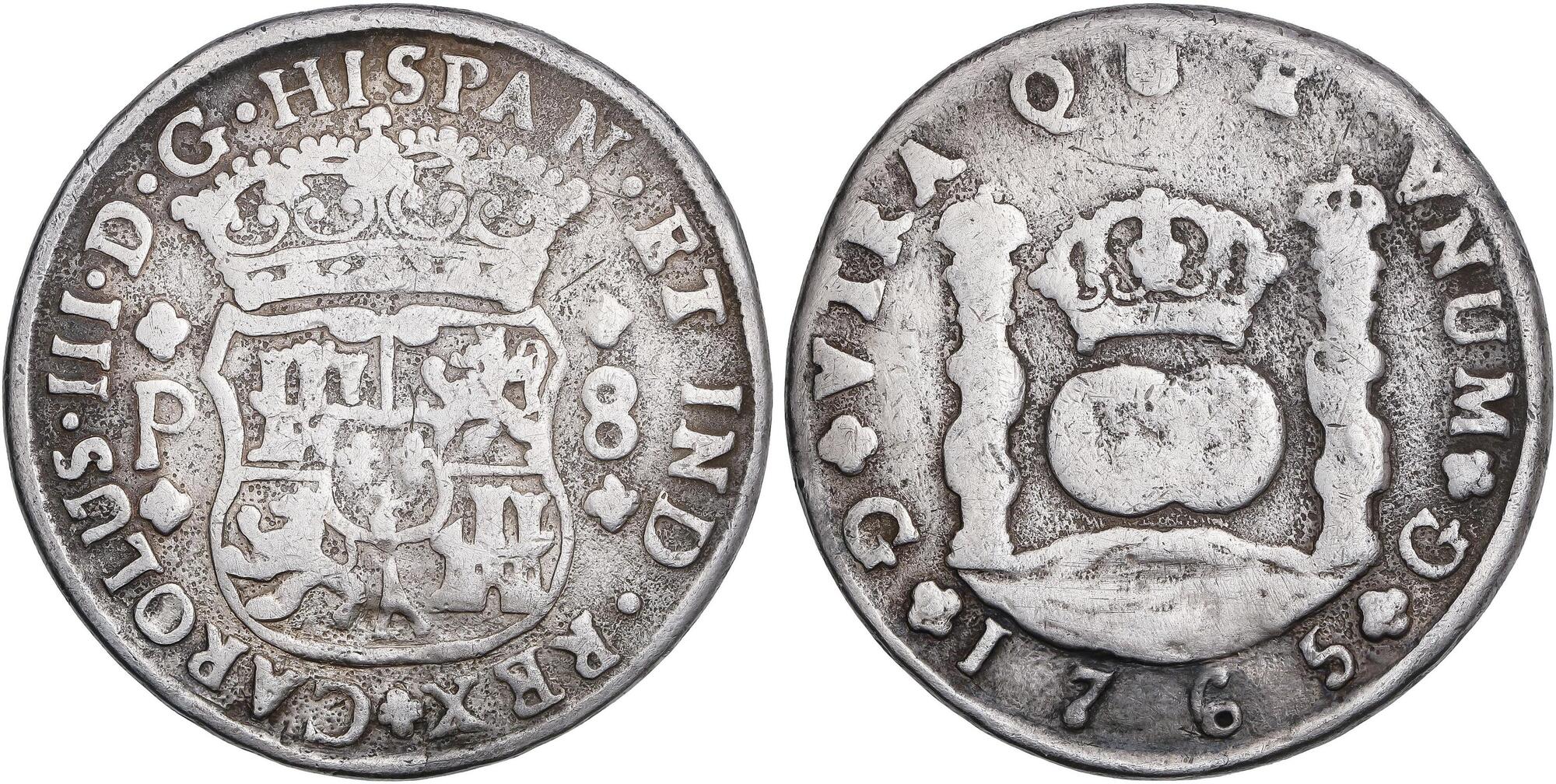
8 Reales. 1765. GUATEMALA. P. No encapsulada por NGC NOT SUITABLE FOR CERTIFICATION (nº 5883915-001) como no apta para ser certificada. 25,26 grs. Columnario. Ligera pátina irregular oscura. La fecha más rara de esta ceca. MBC-. Se vende ´tal como está´, sin opción a devolución. / Not slabbed by NGC, NOT SUITABLE FOR CERTIFICATION. Pillar dollar. Light dark uneven patina. The rarest date of this mint. Sold ´as is´, no return. AC-997; Cal-814. Adq. M. Dunigan – Diciembre 1989
 

Mirada atrás Otoño 2021  ,    Рубль 1728 / Rublo 1728 Pedro II    ,    Telegram numismático    y       Convención numismática Madrid noviembre 2021 + Lince

Гурт:  

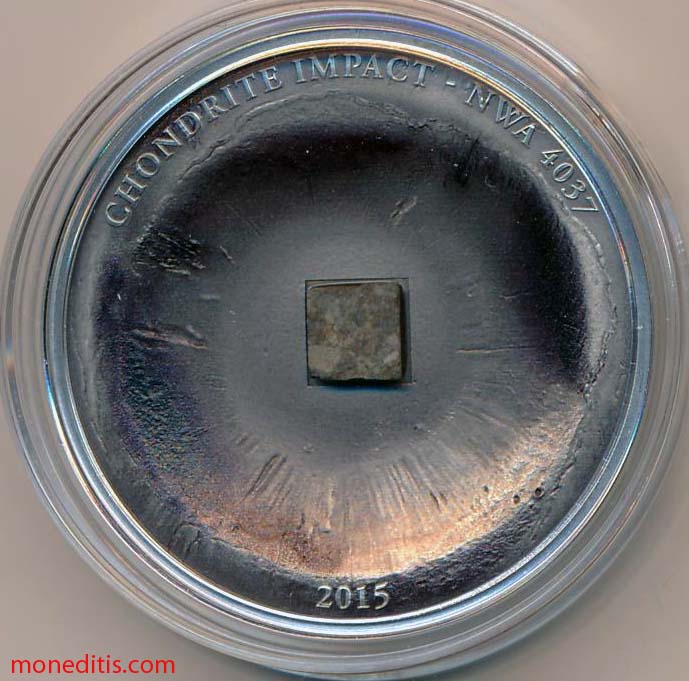
Las condritas o condritos son meteoritos no metálicos (rocosos) que no han sufrido procesos de fusión o de diferenciación en los asteroides de los que proceden.12​ Representan el 85,7 % de los meteoritos que caen a la Tierra.3​ Su conocimiento aporta claves importantes para comprender el origen y la edad del sistema solar, la síntesis de compuestos orgánicos, el origen de la vida o la presencia de agua en la Tierra. Una de sus características es la presencia de cóndrulos, que son esferas submilimétricas formadas por distintos minerales, y que suelen constituir entre el 20 % y el 80 % del volumen de las condritas.4

Se diferencian de los meteoritos metálicos por su composición pobre en hierro (Fe) y níquel (Ni). Otro tipo de meteoritos no metálicos, las acondritas, carecen de los característicos cóndrulos, y se formaron con posterioridad.5

https://moneditis.com/2021/11/13/moneda-meteorito-nwa-4037-condrita/

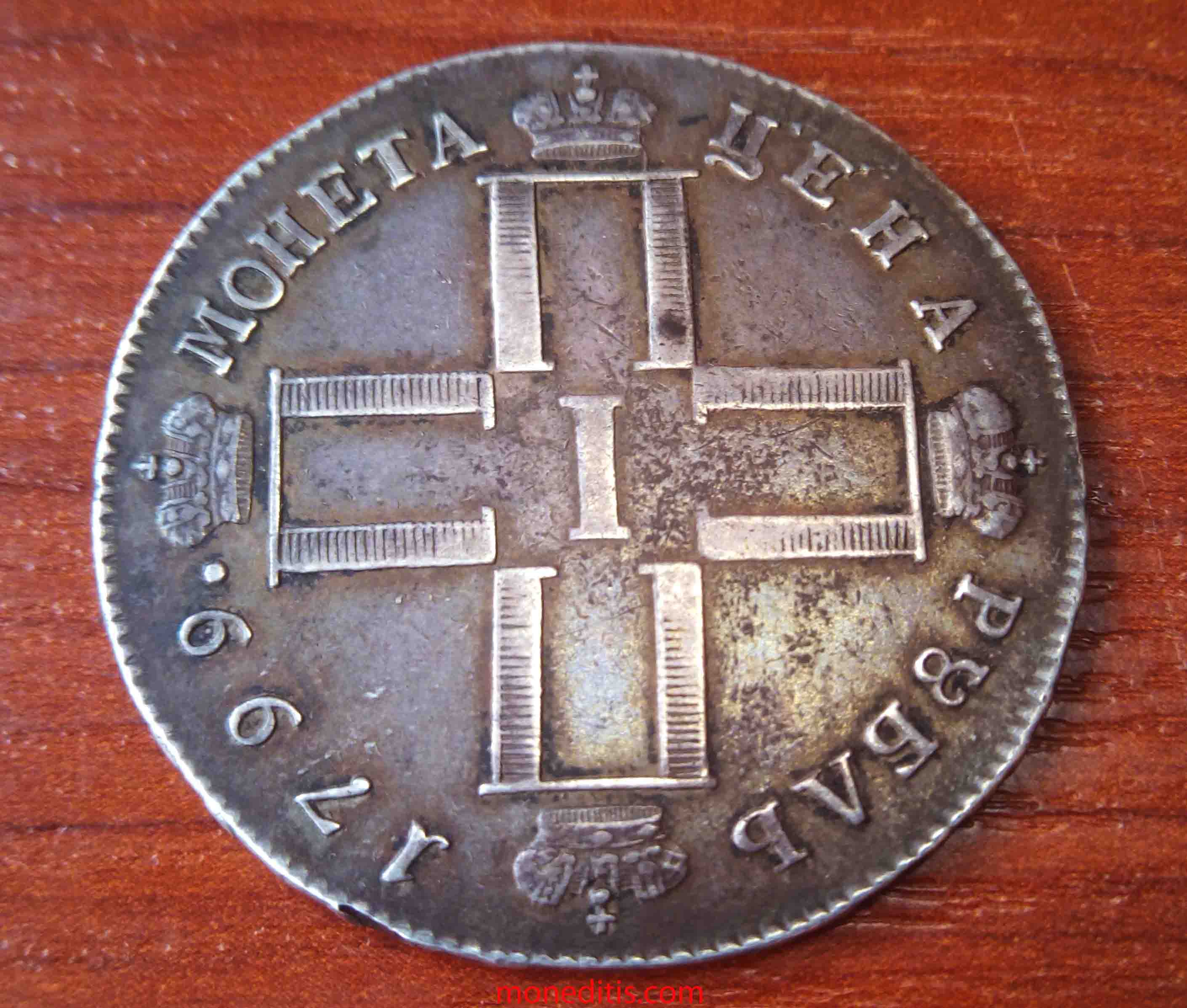
Рубль 1799 / Rublo 1799   rublo siempre interesante de Pavel I 

El 25 de abril de 1797, Pavel I aprobó el proyecto de establecimiento de la casa de la moneda en el antiguo Banco de Almacenamiento. El 27 de septiembre de 1799, el director de la ceca, Carl Gascoin, informa sobre la disposición de comenzar la acuñación de moneda en el plazo de dos (2) semanas. El 13 de diciembre se ordena la transferencia del oro y la plata desde la Fortaleza de Pedro y Pablo al nuevo emplazamiento, y desde enero de 1800 la nueva Casa de la Moneda comienza a funcionar, con el mismo personal y nueva maquinaria. Por primera vez en la producción de monedas se usan dos máquinas de vapor fabricadas en Petrozavodsk en la fábrica de Alejandro. La casa de la moneda en los bastiones de la Fortaleza de Petropavlov deja de funcionar desde finales de 1799.

100 Tenge kazajos 2004 + 10 rublos bielorrusos 2005  y   https://moneditis.com/2021/12/03/moneda-bullion-oro-espanola-15-e-lince-iberico/   , la primera (1ª) moneda bullion de la FNMT

Y a continuación    https://moneditis.com/2021/12/12/8-escudos-carlos-iii-1788-sevilla-falso-joyeria-sorpresa-gradada/   falso de joyería, más moneda graduada con reservas y otras hierbas

Llega el fin de año y, con él, el final de esta entrada   Navidad 2021

Lo dejamos aquí  https://moneditis.com/page/19/

Comenzaremos el 2022 en la próxima entrada «jubilar»

10 años 2020 – 3

Tercera entrada del año 2020

Venimos de aquí:  https://moneditis.com/2025/04/12/10-anos-2020-2/

https://moneditis.com/2025/03/21/10-anos-2020-1/

https://moneditis.com/2025/02/21/10-anos-2019-4/

https://moneditis.com/2025/01/25/10-anos-2019-3/

https://moneditis.com/2024/12/05/10-anos-2019-2/

https://moneditis.com/2024/11/09/10-anos-2019-1/

https://moneditis.com/2024/10/19/10-anos-2018-5/

https://moneditis.com/2024/09/20/10-anos-2018-4/

https://moneditis.com/2024/08/06/10-anos-2018-3/

https://moneditis.com/2024/08/06/10-anos-2018-2/

https://moneditis.com/2024/07/12/10-anos-2018-1/

https://moneditis.com/2024/06/23/10-anos-2017-5/

https://moneditis.com/2024/06/01/10-anos-2017-4/

https://moneditis.com/2024/05/25/10-anos-2017-3/

https://moneditis.com/2024/04/27/10-anos-2017-2/

https://moneditis.com/2024/04/11/10-anos-2017-1/

https://moneditis.com/2024/03/22/10-anos-2016-4/

https://moneditis.com/2024/01/25/10-anos-2016-3/

https://moneditis.com/2024/01/25/10-anos-2016-2/

https://moneditis.com/2024/01/25/10-anos-2016-1/

https://moneditis.com/2023/12/16/10-anos-2015-5/

https://moneditis.com/2023/12/08/10-anos-2015-4/

https://moneditis.com/2023/11/25/10-anos-2015-3/

https://moneditis.com/2023/11/18/10-anos-2015-2/

https://moneditis.com/2023/11/04/10-anos-2015-1/

https://moneditis.com/2023/10/28/10-anos-2014-4/

https://moneditis.com/2023/10/14/10-anos-2014-3/

https://moneditis.com/2023/09/30/10-anos-2014-2/

https://moneditis.com/2023/09/16/10-anos-2014-1/

https://moneditis.com/2023/08/30/10-anos-2013/

Vamos a por la trigésima primera (31) entrada conmemorativa; el enlace inferior conecta con la parte del blog tratada, a partir de junio de 2020

https://moneditis.com/page/24/  

https://moneditis.com/2020/06/06/imperio-espanol-europa-duros-alberto-e-isabel/

«…Las amargas derrotas de los españoles en los Países Bajos llevaron a Felipe II a entregarlos como dote a su hija Isabel Clara Eugenia al casar con Alberto Archiduque de Austria, gobernador y después soberano de estos países. Alberto e Isabel emitieron Ducatones y Patagones en Flandes de acuerdo con la misma métrica que los acuñados por Felipe II, especialmente en Amberes y Bruselas. Tras su muerte sin sucesión, los Países Bajos pasaron nuevamente a manos de la Corona española en la persona de Felipe IV en 1621…»

A continuación   España 2 euros € conmemorativos 2020 Mudéjar Aragón  ,   Verano 2020   y  Рак / Cáncer  , primer signo del zodiaco veraniego

A continuación, varas charlas / conferencias en la E-learning Academy de la ANA (American Numismatic Association) ya en Julio. Desde graduación de monedas hasta numismática mexicana, pasando por detección de falsas,  Morgan Dollars, numismática italiana, errores…¡Muyyyy interesante!. Os dejo el enlace a la última donde se contienen los «links» (conferencias desde Norteamérica 🙂 ) a las anteriores

https://moneditis.com/2020/07/13/ana-elearning-academy-v/  

Seguimos con el horóscopo  Лев / Leo  ,  Cuba 5 y 10 pesos oro  y falsa de tungsteno / W,  Más Falsas (monedas)  

Más horóscopo  https://moneditis.com/2020/08/22/%d0%b4%d0%b5%d0%b2%d0%b0-virgo/

Despiste Escolar  8 reales falsos, plata… terminando el verano   https://moneditis.com/2020/09/11/mercadillos-plaza-mayor-de-madrid-y-costa-del-sol/   y moneda retirada de subasta  

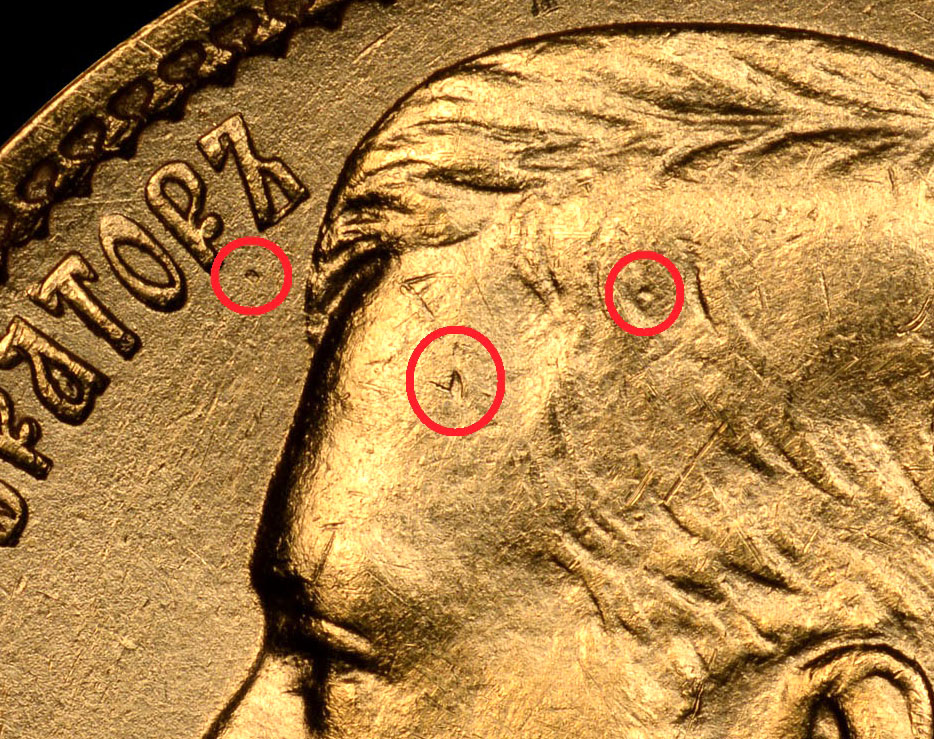
«En cuanto a las 25 monedas mundiales más falsificadas, el top 1 lo ostentan los 15 rublos oro 1897 Nicolás II»

«Además de los Gold Indian Quarter Eagles y Gold Dollars, los 20 $ Gold Double Eagles Saint-Gaudens de 1924, aún siendo de oro .900, se han falsificado bastante, dentro de la categoría de monedas americanas más falsificadas»

https://moneditis.com/2020/09/18/most-counterfeited-u-s-and-world-coins/

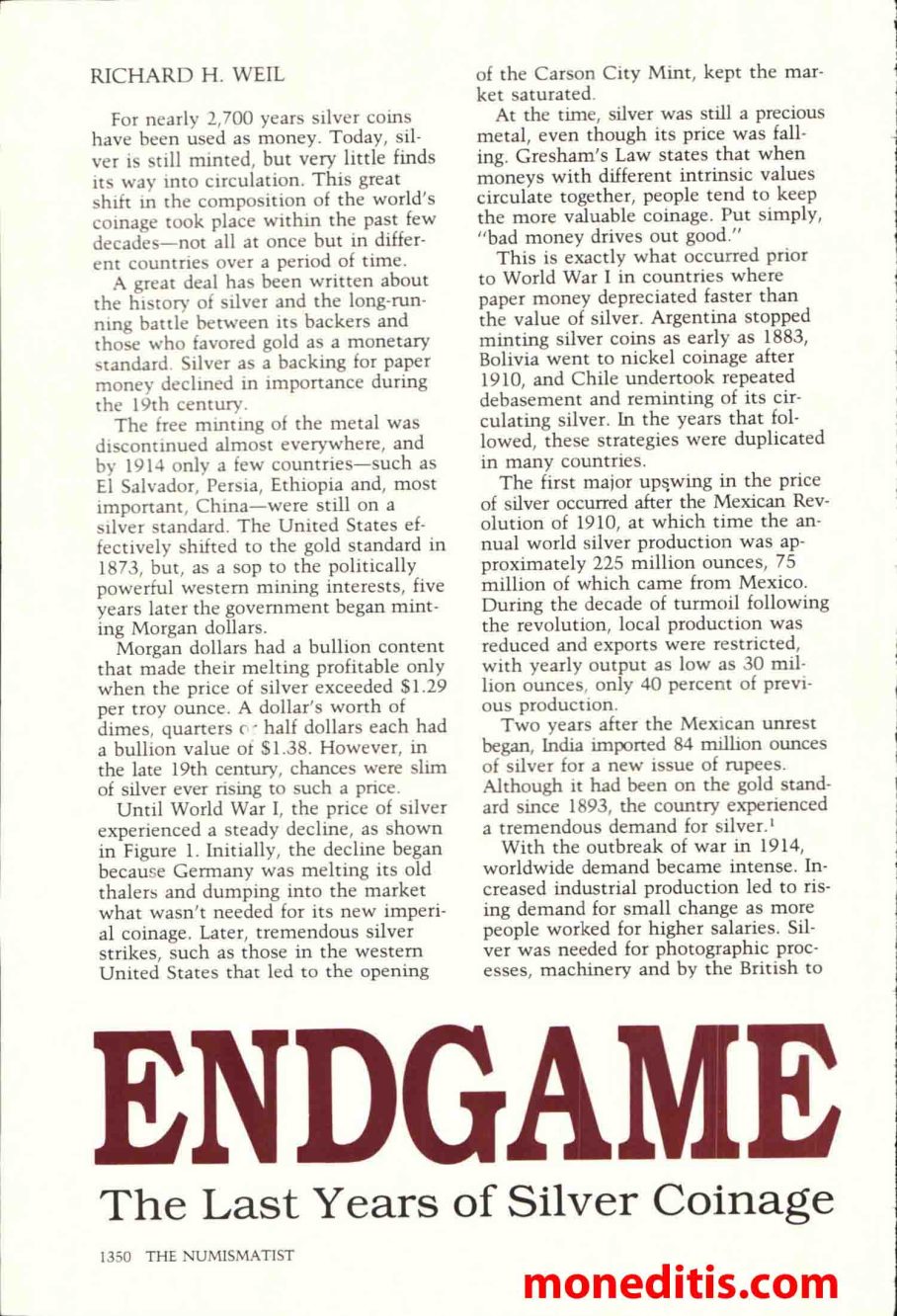
https://moneditis.com/2020/09/23/%d0%b2%d0%b5%d1%81%d1%8b-libra/  marca el fin del verano y casi de esta entrada, a falta del fin de la plata monetaria y sus circunstancias  aquí  https://moneditis.com/2020/10/01/endgame-plata-monetaria-sedar/  

Lo dejamos aquí  https://moneditis.com/page/23/  el uno (1) de octubre de 2020; la próxima y, probablemente, última entrada de este 2020, comenzará con Junk Silver

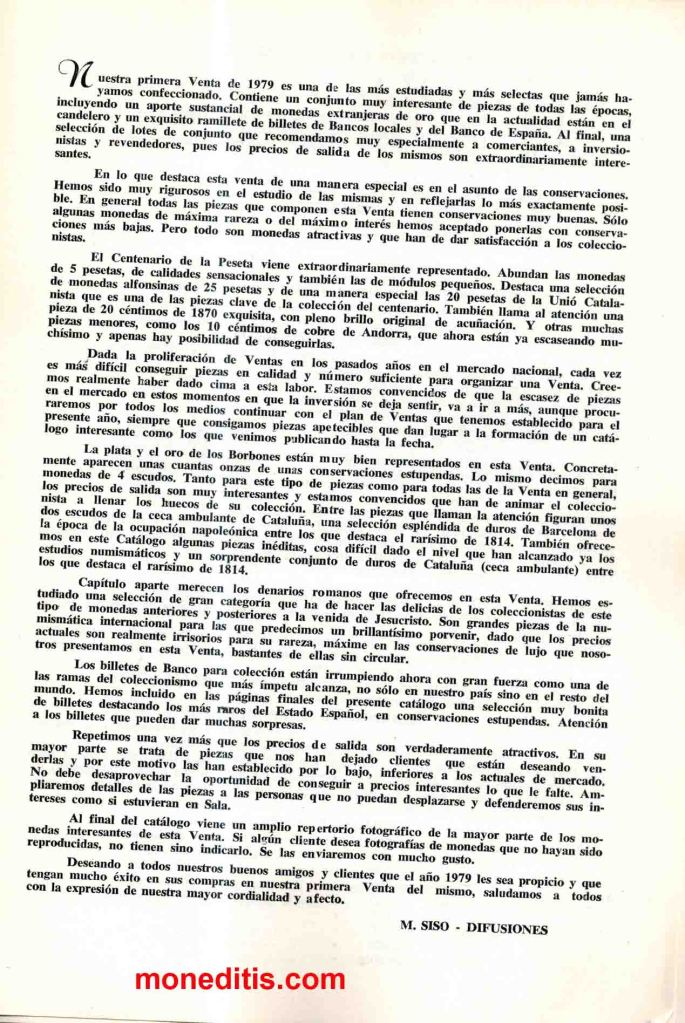
Venta Numismática H Sisó 1979

Enlace a mi tienda en ebid. Iré subiendo más moneditas de mi colección

https://stores.ebid.net/moneditis

————————————————————————————————————————————————-

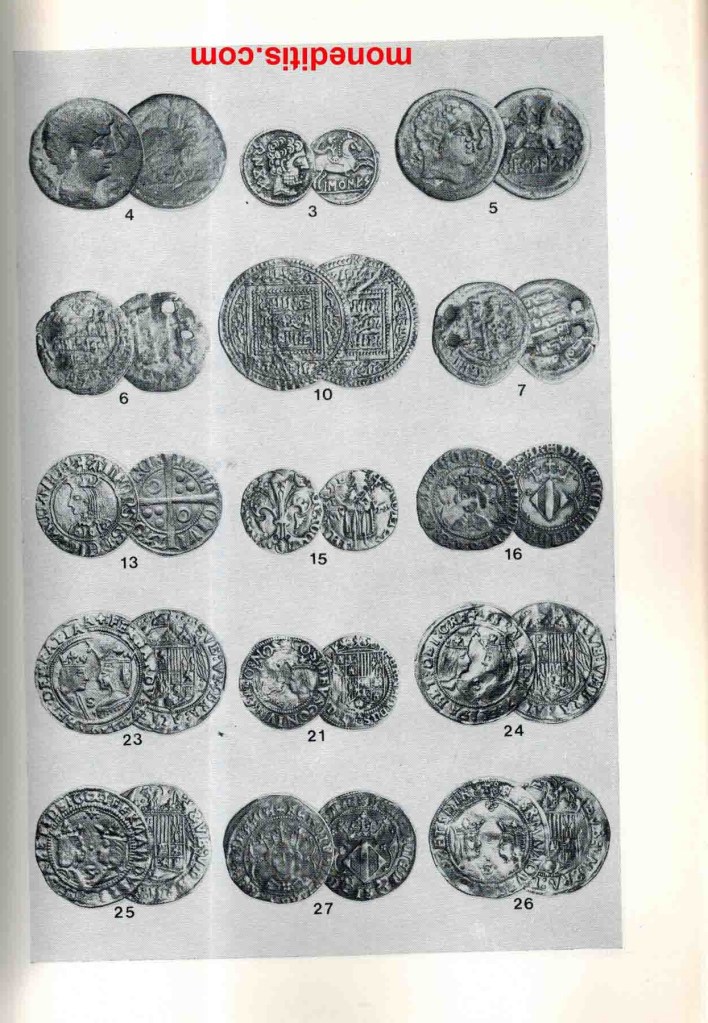
Revisando papeles me he encontrado con este viejo catálogo de M. Sisó Difusiones, actual Áureo y Calicó

El día 3 de febrero de 1979 a las 4:30 de la tarde se celebró esta venta numismática presentada por Mauricio Sisó, numismático profesional. Los lotes pudieron examinarse desde el 22 de enero hasta el 2 de febrero en la Avda. Dr. Fleming 2, escal. dcha. 1º – 4º – Lérida

Interesantes apreciaciones en la introducción

5 % de comisión

Términos y condiciones de la venta

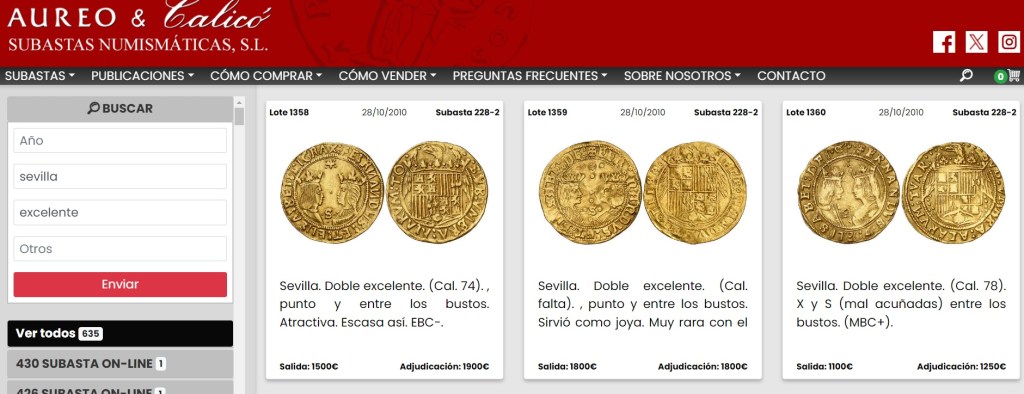
1.000 euritos, más menos, al cambio de pesetas de 1979, por los dos (2) excelentes de los RRCC en buenas conservaciones. 45 años después los precios han subido (os dejo que miréis subastas actuales para comprobarlo)   

https://www.sixbid-coin-archive.com/#/en/search?text=2%20excelentes%20sevilla

https://aureo.com/es/precios/aureo/2007

Con los 8 reales de Felipe V Madrid y Sevilla también hay revalorización…aunque me temo que ni con los dobles (2) excelentes RRCC ni con los 8 reales Felipe V peninsulares hemos cubierto la inflación…Eso si, mejor los dobles excelentes en cuanto a porcentajes medios

En ambos casos he tomado los precios de la estimación de la primera (1ª) columna de la izquierda, ya que no tengo la lista de precios adjudicados en la venta; en algunos casos no habrá llegado el precio de adjudicación a la estimación y en otros lo habrá superado, por lo que junto con una mirada a precios de adjudicación posteriores por años nos hará descubrir la dinámica media seguida por cada tipo de moneda

https://aureo.com/es/precios/aureoandcalico/2024

Como, evidentemente, no se pueden / deben sacar conclusiones con sólo dos (2) tipos de monedas, cecas y reinados, iré ampliando información en sucesivas entradas con más páginas de este catálogo y su comparación con el mercado actual nacional, ya mundial.

Es importante el cómo, el qué y el cuándo, al margen de las modas, que también influyen…y mucho.

Un amigo me recuerda que en el Madrid de la época, un pisito de 100 m2  costaba unos tres (3) millones de pesetas. Gracias J

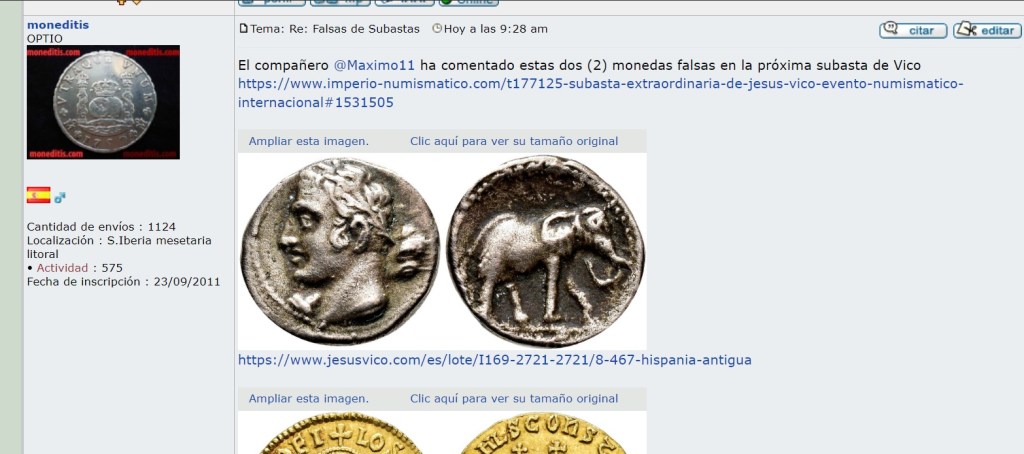
PS Y ya que estamos con subastas, recuerdo un hilo que tengo más o menos abandonado en imperio numismático sobre falsas de subastas

https://www.imperio-numismatico.com/t77060p675-falsas-de-subastas#1531509

 https://www.jesusvico.com/es/lote/I169-2721-2721/8-467-hispania-antigua

https://www.jesusvico.com/es/lote/I169-2721-2721/178-467-imperio-bizantino

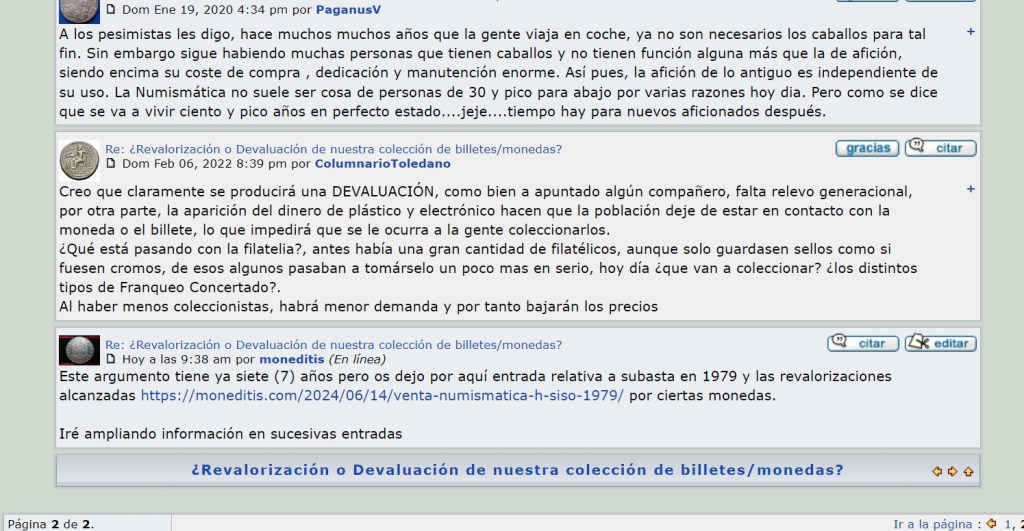
PSII  Otro argumento con solera en imperio, en este caso encuesta sobre ¿revaluación / devaluación? de nuestra colección de billetes / monedas

https://www.imperio-numismatico.com/t117899p25-revalorizacion-o-devaluacion-de-nuestra-coleccion-de-billetes-monedas#1531510

Prensa evento numismático

Enlace a mi tienda en ebid. Iré subiendo más moneditas de mi colección

https://stores.ebid.net/moneditis 

———————————————————————————————————————————————————

Solicitado pase de prensa en https://eventonumismatico.es  se condiciona su concesión al borrado de diversas entradas de este blog que a alguien le incomodan, como por ejemplo:

https://moneditis.com/2014/09/24/aclarando-conceptos-y-otras-hierbas/

https://moneditis.com/2014/09/22/los-dos-patitos/

imperionumis

He dejado respuesta pública en

https://www.imperio-numismatico.com/t172236-evento-numismatico-internacional-madrid-2024#1517122

Como no tengo claro si se borrará o no del foro citado mi respuesta pública os dejo captura de pantalla del mismo

P.S. Añado este interesante hilo / argumento, dado que viene al caso

https://www.imperio-numismatico.com/t127834-profesionales-e-intrusismo-en-la-numismatica-debate-abierto

Imperio intrusismo

P.S.II y este otro hilo/argumento, ya clásico

https://www.imperio-numismatico.com/t77060p675-falsas-de-subastas

FalsasSubastas

10 años 2015 – 5

Enlace a mi tienda en ebid. Iré subiendo más moneditas de mi colección

https://stores.ebid.net/moneditis

——————————————————————————————–

Venimos de aquí  https://moneditis.com/2023/12/08/10-anos-2015-4/

https://moneditis.com/2023/11/25/10-anos-2015-3/

https://moneditis.com/2023/11/18/10-anos-2015-2/

https://moneditis.com/2023/11/04/10-anos-2015-1/

https://moneditis.com/2023/10/28/10-anos-2014-4/

https://moneditis.com/2023/10/14/10-anos-2014-3/

https://moneditis.com/2023/09/30/10-anos-2014-2/

https://moneditis.com/2023/09/16/10-anos-2014-1/

https://moneditis.com/2023/08/30/10-anos-2013/

Vamos a por la décima entrada conmemorativa; el enlace inferior conecta con la parte del blog tratada

https://moneditis.com/page/53/

Empezamos con falsas (para variar 🙂 )  https://rg.ancients.info/guide/counterfeits.html

Además, densidades, pruebas, detalles…muchos enlaces para seguir aprendiendo

KDD (quedada), subastas, convenciones…Se va acercando el final del año

https://moneditis.com/2015/10/20/8-reales-falsos/

    Falsa de Aliexpress

En el enlace superior descarga del documento completo

Duro leridano de 1809  https://moneditis.com/2015/11/01/5-pesetas-1809-lerida-rara/

12

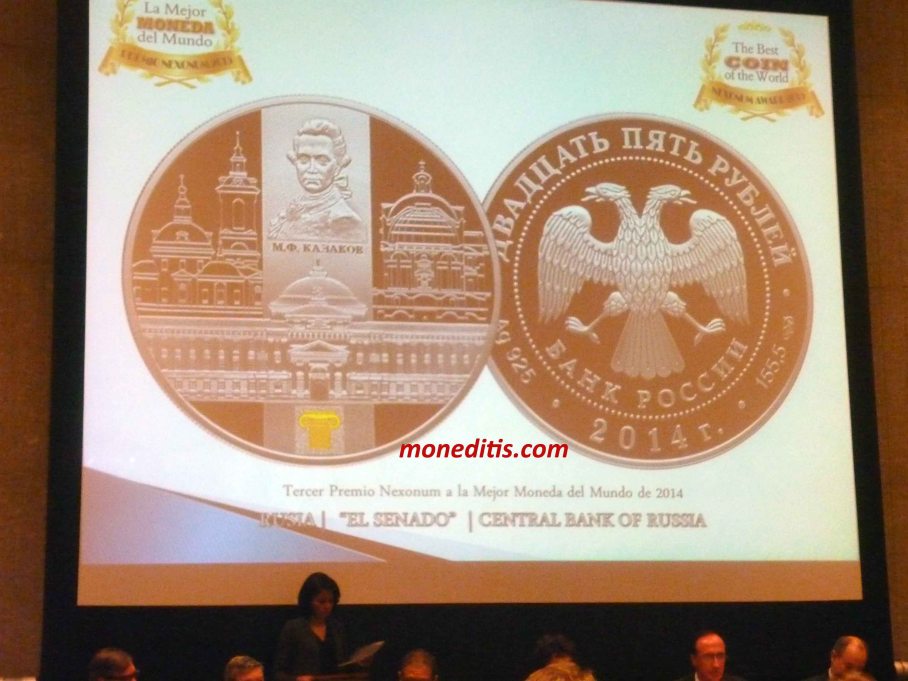
II Premios Nexofil y Nexonum  https://moneditis.com/2015/11/08/ii-premios-nexofil-y-nexonum/

5

De vuelta en San Petersburgo, más convenciones, más subastas…Un no parar

1

https://moneditis.com/2015/11/17/monedas-de-inversion-sberbank/

8

¡Incluso monedas a la venta en el Sberbank!

16

https://moneditis.com/2015/11/25/3-%d1%80%d1%83%d0%b1%d0%bb%d1%8f-%d1%81%d0%b5%d1%80%d0%b5%d0%b1%d1%80%d0%be-%d0%b3%d0%b5%d0%be%d1%80%d0%b3%d0%b8%d0%b9-%d0%bf%d0%be%d0%b1%d0%b5%d0%b4%d0%be%d0%bd%d0%be%d1%81%d0%b5%d1%86-3-rublos-pla/

21

https://moneditis.com/2015/11/27/billetes-1-rublo-cccp/

2

https://moneditis.com/2015/12/03/rublos-%d1%80%d1%83%d0%b1%d0%bb%d0%b5%d0%b8-1734-1736/

https://moneditis.com/2015/12/05/menshikov/

11

https://moneditis.com/2015/12/07/%d1%80%d1%83%d0%b1%d0%bb%d1%8c-1834-%d0%bd%d0%b0-%d0%be%d1%82%d0%ba%d1%80%d1%8b%d1%82%d0%b8%d0%b5-%d0%b0%d0%bb%d0%b5%d0%ba%d1%81%d0%b0%d0%bd%d0%b4%d1%80%d0%be%d0%b2%d1%81%d0%ba%d0%be%d0%b9-%d0%ba/

2526

https://moneditis.com/2015/12/14/3-rublos-plata-onzas-3-%d1%80%d1%83%d0%b1%d0%bb%d1%8f-%d1%83%d0%bd%d1%86%d0%b8%d1%8f-%d1%81%d0%b5%d1%80%d0%b5%d0%b1%d1%80%d0%b0/

29

https://moneditis.com/2015/12/17/banco-central-de-rusia-en-san-petersburgo/

https://moneditis.com/2015/12/11/comprando-en-numismaticas-petersburguenses/

19

https://moneditis.com/2015/12/20/3-rublos-conmemorativos-bancos-dinero-%d0%b1%d0%b0%d0%bd%d0%ba%d0%b0-%d1%80%d0%be%d1%81%d1%81%d0%b8%d0%b8/

Y más monedas y más … rusas. Así hasta el final del 2015, año intenso   https://moneditis.com/2015/12/30/los-numeros-de-2015/

Aquí lo dejo, por el momento  https://moneditis.com/page/50/

La siguiente entrada empieza con el 2016. ¡Hasta la próxima!

25

10 años 2014 – 1

Enlace a mi tienda en ebid. Iré subiendo más moneditas de mi colección

https://stores.ebid.net/moneditis

—————————————————————————————————————————————

https://moneditis.com/2023/08/30/10-anos-2013/

Segunda entrada de la diez programadas, que seguro será alguna más 😉 , para los diez años del blog. 

https://moneditis.com/page/83/

Imagen

En el comienzo del 2014 aparecen un par de entradas recapitulando lo poco publicado en 2013 y previsiones para el 2014. Del 6 al 9 de Febrero: World Money Fair en Berlín

https://moneditis.com/2014/02/12/world-money-fair-2014-vision-general/

Imagen

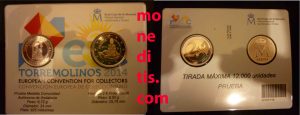
Tres (3) semanas después, Feria del Coleccionismo en Torremolinos

3

https://www.forgerynetwork.com/asset.aspx?id=PuiLrEdcix4=

Página de falsas   https://www.forgerynetwork.com/  Puedo tirarme las horas muertas mirando, leyendo, sorprendiéndome…

https://www.forgerynetwork.com/asset.aspx?id=XzBjlNJeYIk=

¡Impresionante la cantidad de moneda falsa antigua griega, romana…que hay circulando en la actualidad!

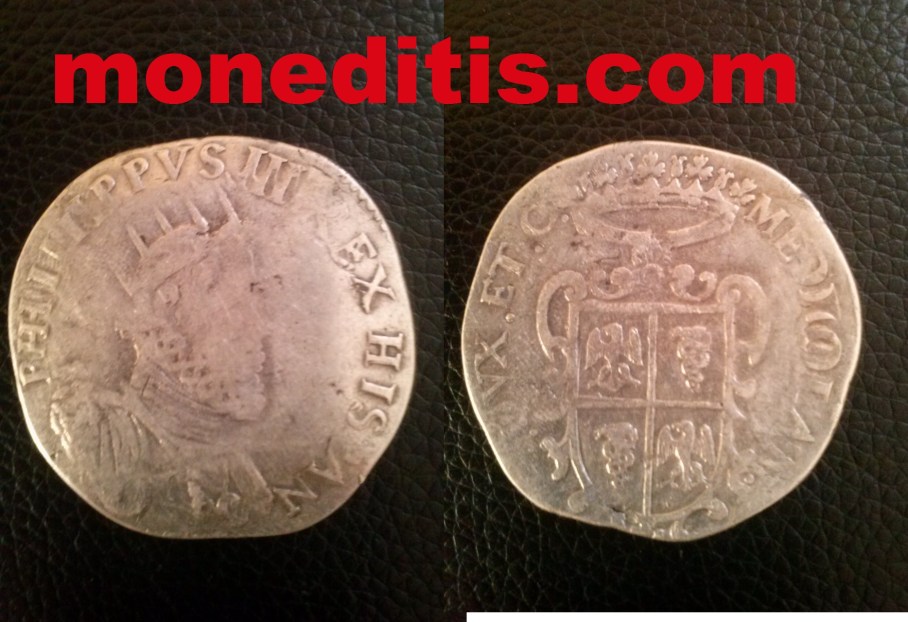
https://moneditis.com/2014/03/10/ducaton-vico/

c

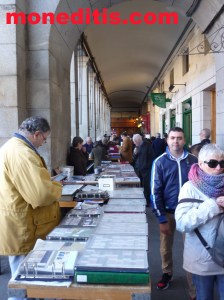
Ya en marzo, Subasta de Vico el jueves 6 y Convención al día siguiente. El domingo, a la Plaza Mayor

7 Aprovechando que estaba por Madrid...

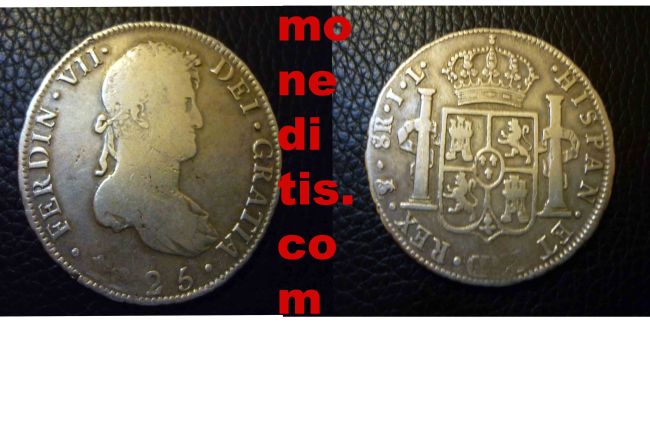
https://moneditis.com/2014/03/14/8-reales-1825-potosi-falsa-subasta-ibercoin/

Imagen

Compound Conc.
Name    (%)
1    Ag    89.20
2     O     5.65
3    Cu     3.05
4    Si     0.54
5    Na     0.36
6    Cl     0.32
7    Pb     0.32
8    Sm     0.17
9    Al     0.10
10     S     0.08
11    Fe     0.06
12    Mg     0.05
13    As     0.05
14    Hg     0.04
15    Nb     0.02

Diversas subastas y de nuevo el fresco ruski

https://moneditis.com/2014/04/02/columnarios-fake-8-reales-counterfeit/

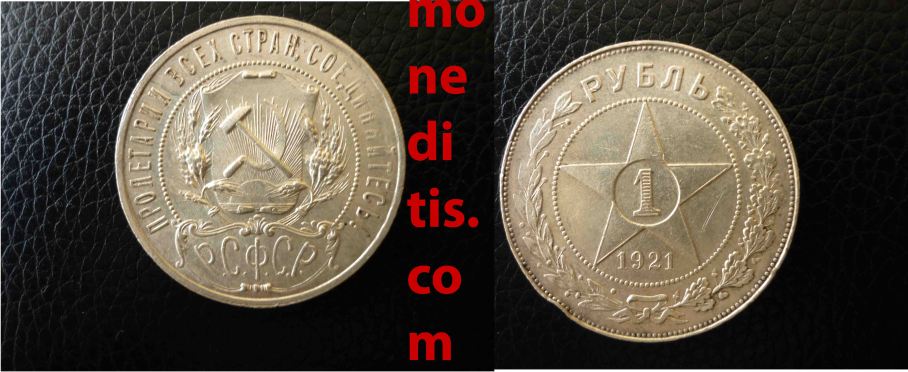
https://moneditis.com/2014/04/01/1-%d1%80%d1%83%d0%b1%d0%bb%d1%8c-1921%d0%b3-%d1%80%d1%81%d1%84%d1%81%d1%80/

a0

1 рубль 1921г. РСФСР

Первая монета достоинством в 1 рубль, выпущенная после Октябрьской революции. Рубль с изображением пятиконечной звезды. Серебро 900, 20 гр., диаметр 33,7мм.

Лицевая сторона/анверс: Серп, молот и колосья.  «ПРОЛЕТАРИИ ВСЕХ СТРАН, СОЕДИНЯЙТЕСЬ!»

Оборотная сторона/реверс: Пятиконечная звезда с с чеканкой «1 рубль 1921» в центре.

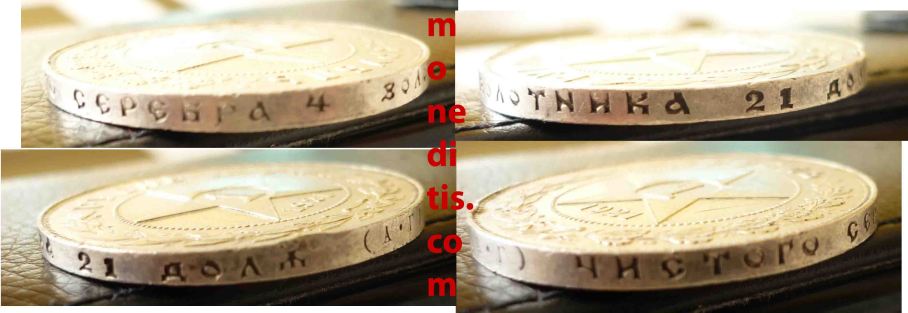
Гурт: надпись «чистого серебра 4 золотника 21 доля (А.Г)» «А.Г.» – начальник монетного двора Петрограда Артур Гартман (1921-1922). Золотник = 96 долей = 4,266 г. Долия = 0,044 г.  Тираж: 1000 000 шт.

В октябре 1921г. создаётся Государственный банк РСФСР. 30 декабря 1922 было образовано государство Союз Советских Социалистических Республик(СССР).

До 1931 г. все серебряные монеты чеканились по подобию царских монет с 1886 г.

b0

Monedas falsas en Konros

Imagen

Creo que voy a parar aquí porque ya´stoy mareao con tantas monedas, ciudades, acontecimientos numismáticos…y aún estoy a mediados de abril del 2014… La siguiente entrada parece será algo menos dinámica 🙂

https://moneditis.com/page/80/

P.S. Convención Numismática en Antequera el sábado 23 de septiembre próximo

Convención numismática Madrid noviembre 2021 + Lince

Enlace a mi tienda en ebid. Iré subiendo más moneditas de mi colección

https://stores.ebid.net/moneditis

—————————————————————————————————————————————

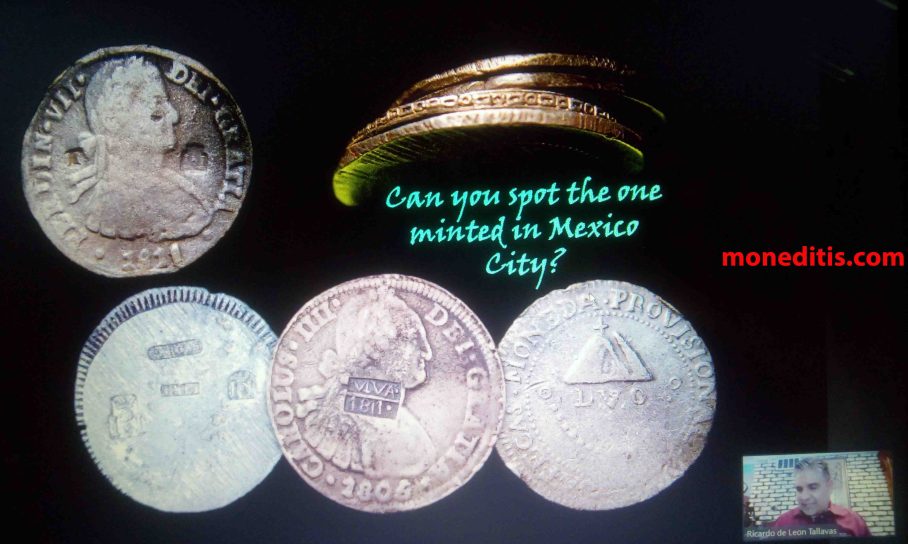
Convención numismática en Madrid; viernes 5 de noviembre de 2021, de 9:30 a 13:30. Se han alineado los astros, o similar, para que pasase, brevemente, por esta «reunión de moneditas». Llego sobre la una de la tarde, por lo que la prioridad es cambiar impresiones con alguno de los comerciantes presentes, la mayoría de Madrid.

El nuevo «lugar de culto» está en la segunda planta de una entrada lateral (c/ Jorge Juan 99) del WiZink. Salón amplio con no demasiada luz y unas 12 – 15 mesas que no llenan el espacio disponible por mucho. Como llego a última hora, voy directo a saludar a viejos conocidos que hace tiempo que no veo; os recuerdo que esta es la primera convención en el foro (MAD) en casi dos años. En el intercambio de impresiones, parece que a primera hora ha habido público asistente con ganas de comprar…pero sin demasiadas materializaciones; eso si, entre comerciantes siempre hay meneo

Entre otras cuestiones, sale a relucir el tema del Lince (próxima a aparecer primera moneda de inversión de oro emitida por la Real Casa de la Moneda – Fábrica Nacional de Moneda y Timbre / RCM – FNMT, pared con pared con la sala en la que me encuentro / enfrente) Parece que hay mayoría en cuanto a que, como no puede ser de otra manera, algo saldrá mal.  

https://tiempodeinversion.com/2021/11/02/ya-se-puede-reservar-la-primera-moneda-de-inversion-y-coleccion-de-oro-espanola/

Tras las preceptivas despedidas en el tiempo de descuento (todos recogiendo para irse a comer), parece que el run-run imperante es la relativa vuelta a la normalidad en cuanto a la posibilidad de seguir juntándonos físicamente los aficionados a esta bendita afición sin bajas significativas; todo cambia para seguir igual.

Inéditas monedas

Enlace a mi tienda en ebid. Iré subiendo más moneditas de mi colección

https://stores.ebid.net/moneditis

—————————————————————————————————————————————

En los últimos años no paran de aparecer monedas inéditas y, por mi experiencia, de hace un par de años o tres hasta la actualidad, la tendencia se ha agudizado

https://www.numisbids.com/n.php?p=lot&sid=5055&lot=1287

Lot 1287    Starting price: 2500 EUR    Current bid: None     Minimum bid: 2500 EUR

SPANISH MONARCHY: PHILIP IV

Philip IV (1621-1665)
8 Reales. 1630. SANTA FE DE NUEVO REINO. P. Encapsulada por NGC VF 30 (nº 5779586-005). Anv.: N / R / P – Escudo – VIII vertical. Rev.: Leones y castillos cuartelados. 27,79 grs. Inédita. MBC-. / Unpublished. AC-No Cat; Cal-No Cat. Adq. Herrero – Enero 2005.

Desde 8 reales hasta blancas y maravedís, pasando por denarios, ases, semis…

https://www.numisbids.com/n.php?p=lot&sid=4698&lot=2223

Lot 2223          Starting price: 2500 EUR          Price realized: 2600 EUR

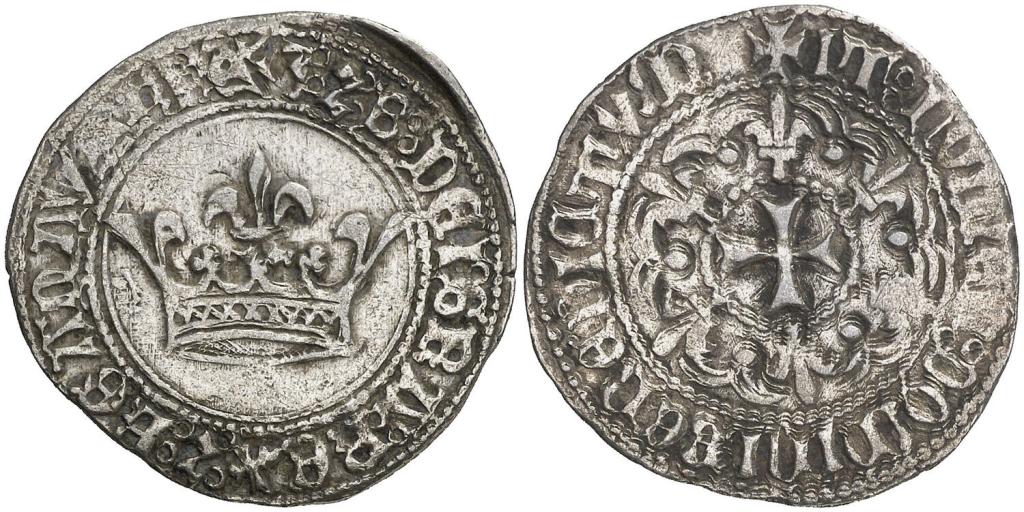
Juan y Blanca (1425-1441). Navarra. Gros. (Cru.V.S. 253.1 var) (Cru.C.G. 2949c var). Variante inedita. Ex Colección Crusafont 27/10/2011, nº 542. Rarísima. 3,06 g. MBC+.

Estimate: 4000 EUR

En toda casa de subastas que se precie aparecen inéditas. Aquí os dejo unas cuantas. Parece que predominan Soler, Tauler y Aureo

https://www.acsearch.info/search.html?term=inedita&category=1-2&lot=&thesaurus=1&images=1&en=1&de=1&fr=1&it=1&es=1&ot=1&currency=usd&order=0

https://www.acsearch.info/search.html?id=6980675

Auction Lot Date Start  Hammer
Auction 57 1053  12.05.2020    

Description

Roman Imperial / Imperio Romano
Tito. Denario. 79-81 d.C. Roma. Ag. 2,89 g. Pieza híbrida, con el anverso de Tito y el reverso de Vespasiano (Ric 106). ¿Inédita?. BC. Est…150,00. English: Titus. Denario. 79-81 d.C. Rome. Ag. 2,89 g. Pieza híbrida, con el anverso de Tito y el reverso de Vespasiano (Ric 106). ¿Inédita?. F. Est…150,00.

La tecnología mejora una barbaridad, de ahí la aparición de nuevas monedas…digoooo… 😉

¡Tened cuidado ahí fuera!

P.S. Algunas más inéditas de próxima subasta, junto con alguna ¿rara (sospechosa)?

https://www.numisbids.com/n.php?p=lot&sid=5055&lot=1226

image01226

Lot 1226   Starting price: 250 EUR   Current bid: None   Minimum bid: 250 EUR

SPANISH MONARCHY: PHILIP IV
Philip IV (1621-1665)
8 Reales. 1(6)36. POTOSÍ. TR (nexadas). Anv.: P / TR (nexadas) – Escudo – 8. 27,4 grs. Variante con fecha y ensayador no contemplada en ningún catálogo ¿Inédita? Leves oxidaciones. Rara. MBC. / Variety with date and assayer not listed in any catalogue. Unpublished? Slight corrosions. Rare and very fine. AC-1462 var.; Cal-479 var. Adq. Kurt Spanier – Diciembre 1992.
 

image01271

Lot 1271   Starting price: 250 EUR   Current bid: None   Minimum bid: 250 EUR

SPANISH MONARCHY: PHILIP IV
Philip IV (1621-1665)
8 Reales. 1657. POTOSÍ. E. Anv.: 8 debajo de corona. Rev.: PH debajo de la corona. 27,1 grs. Variante ceca y ensayador no intercambiados, no contemplada en ningún catálogo. Oxidaciones. Pátina oscura. MBC. / Variety mint and assayer not exchanged not listed in any catalog. Corrosions. Dark patina. Very fine. AC-1514; Cal-No cat. Ex Áureo 85 – 22 Octubre 1997, n. 2428.

https://www.numisbids.com/n.php?p=lot&sid=5055&lot=1319

image01319

Lot 1319  Starting price: 1000 EUR  Current bid: None  Minimum bid: 1000 EUR

SPANISH MONARCHY: PHILIP IV
Philip IV (1621-1665)
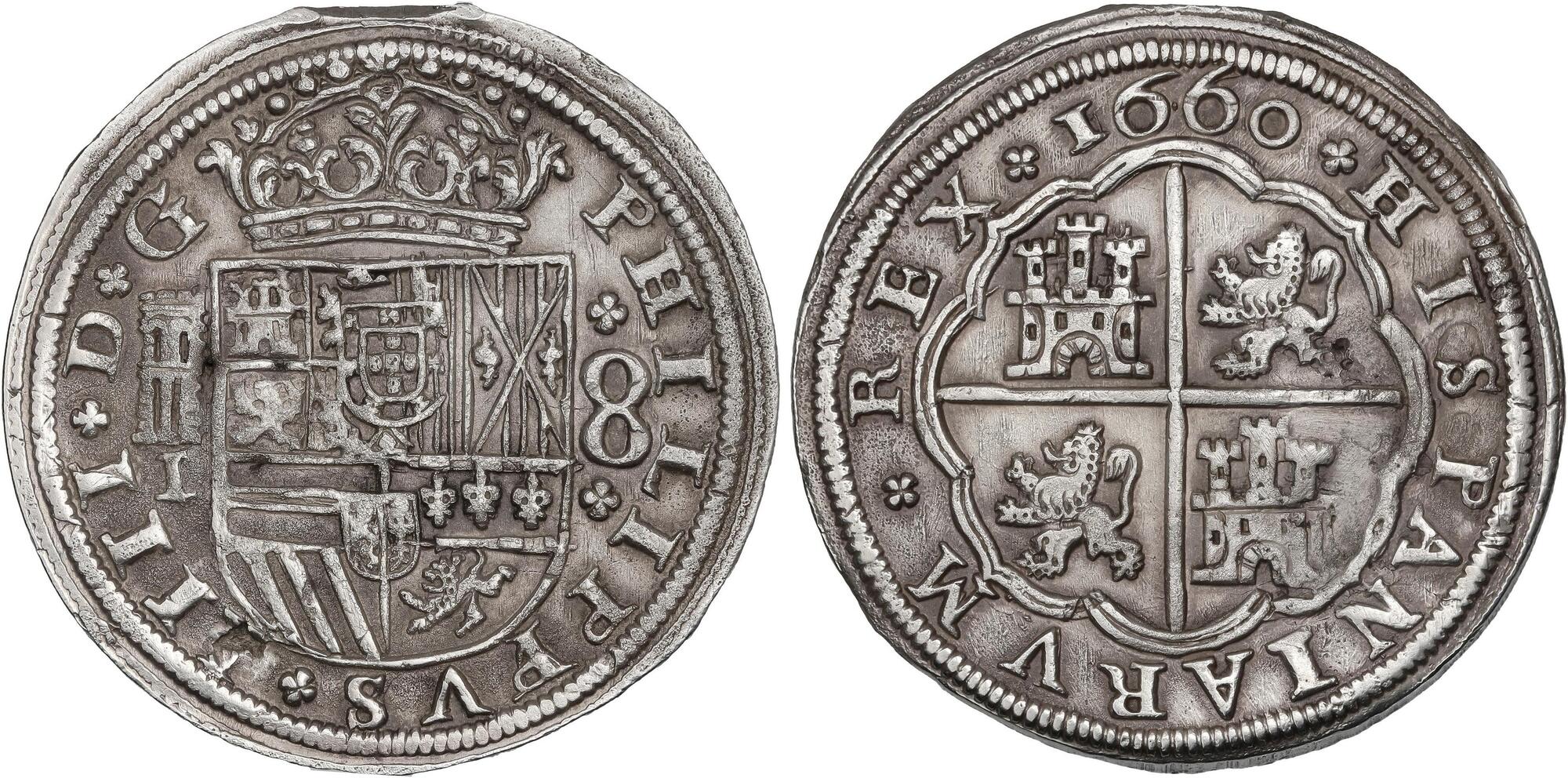
8 Reales. 1660. SEGOVIA. I. Encapsulada por NGC AU DETAILS, CORROSION (nº 5779585-004). Anv.: Acueducto horizontal de 2 arcos y 2 pisos / I – Escudo – 8. 28,49 grs. Variante de año y ensayador no contemplada en ningún catálogo, ¿Inédita? Levísimo final de riel a las doce y metal levemente corroído. EBC-. / Horizontal aqueduct with 2 archs and 2 stories / I – Coat of Arms – 8 in obverse. Date and assayer varieties not mentioned in any catalogue. Unpublished? Slight end of die at 12h. Metal slightly corroded. AC-1625 var.; Cal-591 var. Adq. Herrero – Octubre 1991.

Hay bastantes más inéditas; voy con las raras

https://www.numisbids.com/n.php?p=lot&sid=5055&lot=1571

image01571

Lot 1571   Starting price: 1500 EUR  Current bid: None  Minimum bid: 1500 EUR

SPANISH MONARCHY: PHILIP V
Philip V (1700-1746)
8 Reales. 1708. POTOSÍ. Y. No encapsulada por NGC QUESTIONABLE AUTHENTICITY(nº 5779586-034) por autenticidad cuestionable. 27,09 grs. Tipo Real. Grado de rareza: R3, entre 4 y 6 ejemplares conocidos. Muy rara. EBC-. Se vende ´tal como está´, sin opción a devolución. / Not slabbed by NGC, QUESTIONABLE AUTHENTICITY. ´Royal´. Rarity scale: R3, between 4 and 6 known pieces. Very rare. Sold ´as is´. AC-1480; Cal-809; Lázaro-249. Ex Colección Balsach – Febrero 1990.

https://www.numisbids.com/n.php?p=lot&sid=5055&lot=2007

image02007

Lot 2007 Starting price: 900 EUR  Current bid: None  Minimum bid: 900 EUR

SPANISH MONARCHY: CHARLES III
Charles III (1759-1788)
8 Reales. 1765. GUATEMALA. P. No encapsulada por NGC NOT SUITABLE FOR CERTIFICATION (nº 5883915-001) como no apta para ser certificada. 25,26 grs. Columnario. Ligera pátina irregular oscura. La fecha más rara de esta ceca. MBC-. Se vende ´tal como está´, sin opción a devolución. / Not slabbed by NGC, NOT SUITABLE FOR CERTIFICATION. Pillar dollar. Light dark uneven patina. The rarest date of this mint. Sold ´as is´, no return. AC-997; Cal-814. Adq. M. Dunigan – Diciembre 1989.


Hay más «curiosidades» que merecen la pena; lo dejo a vuestro informado y equilibrado criterio

P.S.II Vídeo numismático para recordarnos a todos ciertos detalles

8 reales Carlos IV Vico lotes ¿cruz?

Enlace a mi tienda en ebid. Iré subiendo más moneditas de mi colección

https://stores.ebid.net/moneditis

————————————————————————————————————————————–

No por casualidad el título de esta entrada

https://moneditis.com/2020/11/05/8-reales-carlos-iv-ibercoin-lotes-cruz/

En esta subasta de Vico también vemos unos cuantos lotes de similares características

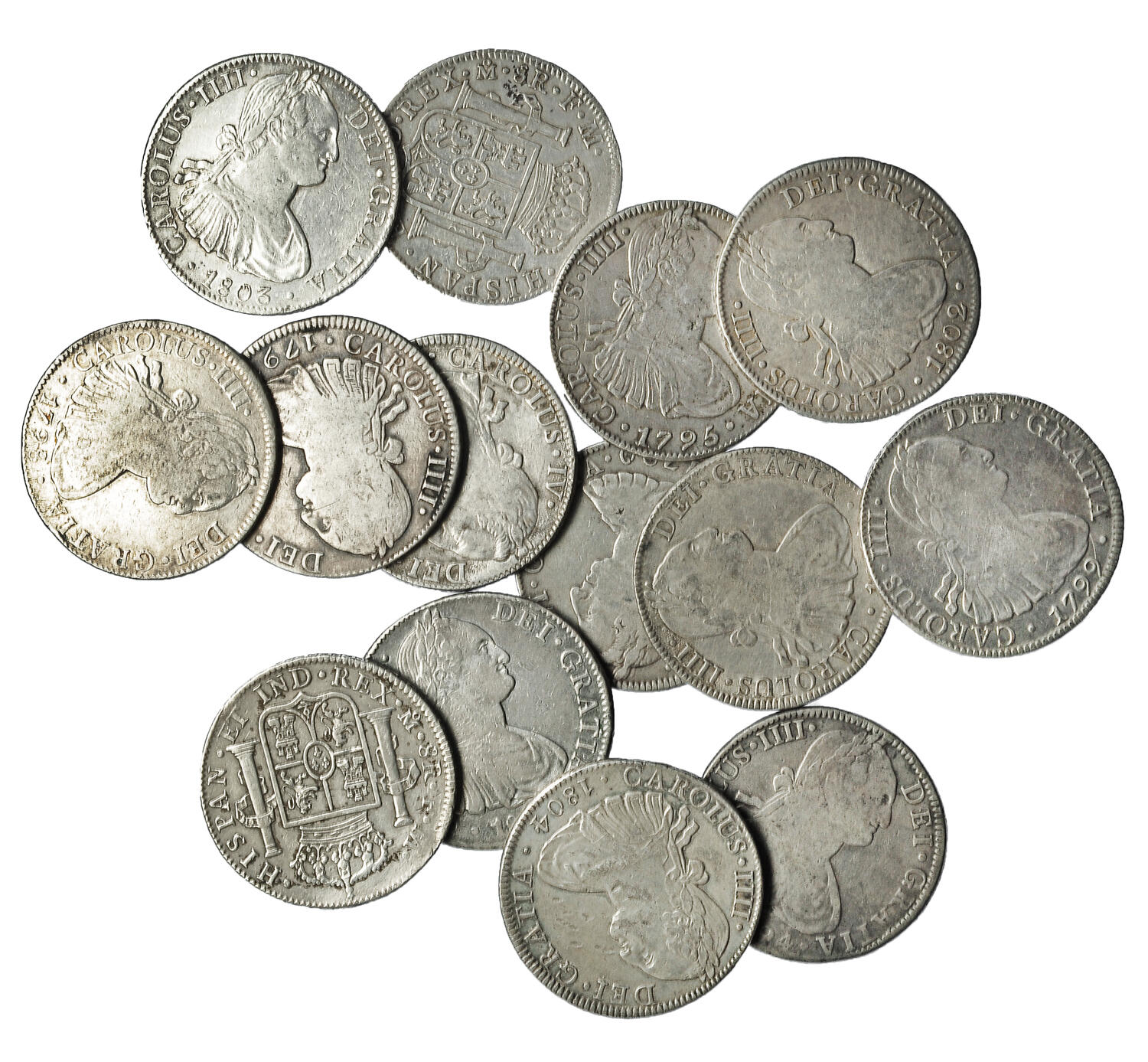
Lot 319          Starting Price: 330 EUR
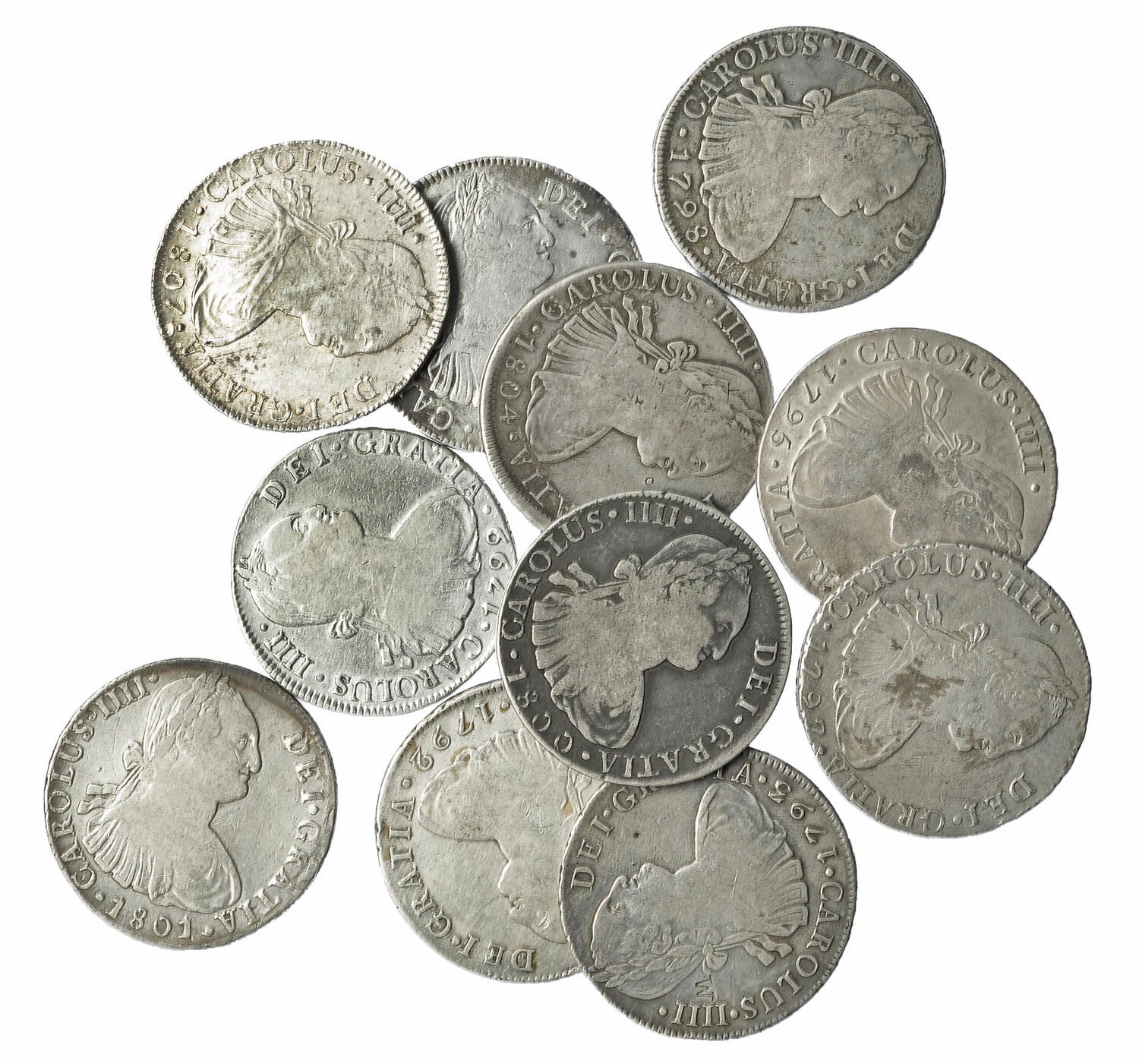
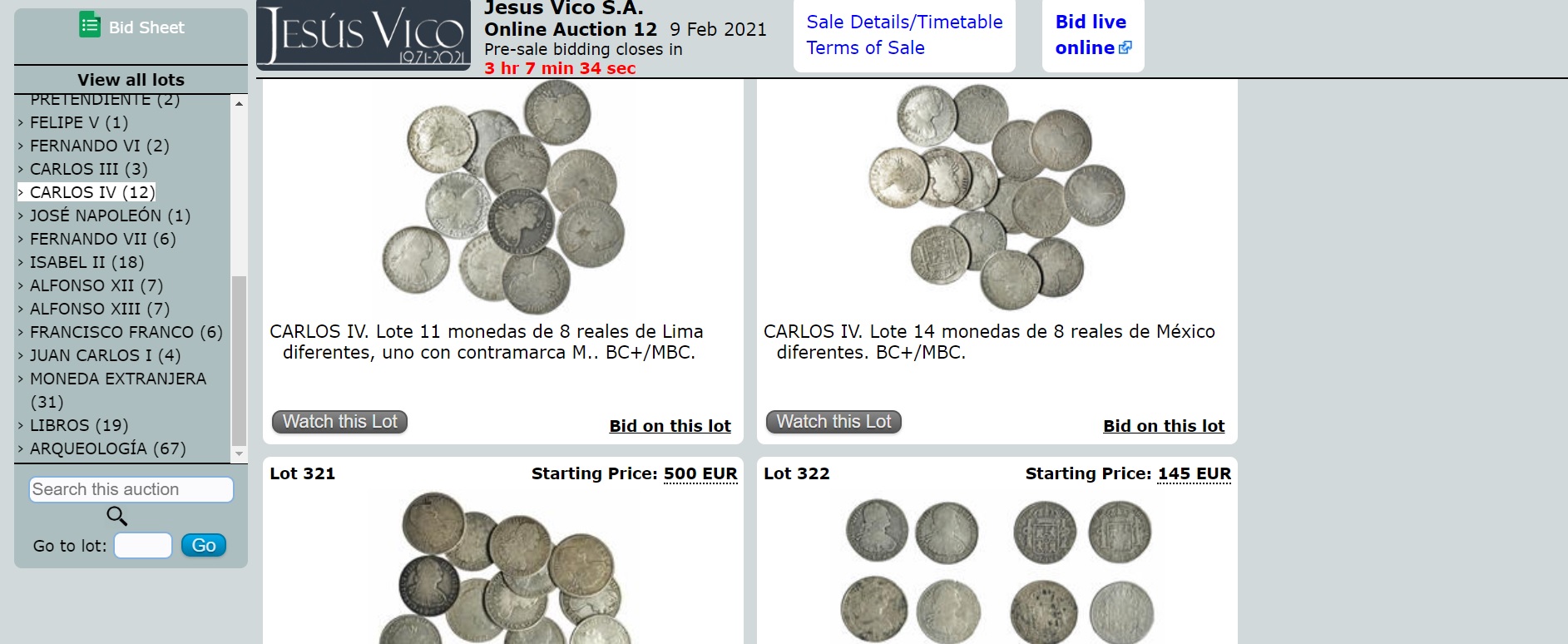
CARLOS IV. Lote 11 monedas de 8 reales de Lima diferentes, uno con contramarca M.. BC+/MBC.

https://www.numisbids.com/n.php?p=lot&sid=4470&lot=319

Lot 320    Starting Price: 420 EUR
CARLOS IV. Lote 14 monedas de 8 reales de México diferentes. BC+/MBC.
No leo pesos/masas ni ningún otro detalle más que genéricas descripciones y conservaciones.
Los detalles sobre el procedimiento y características de la subasta de Vico son similares a los del enlace superior, referido a Ibercoin
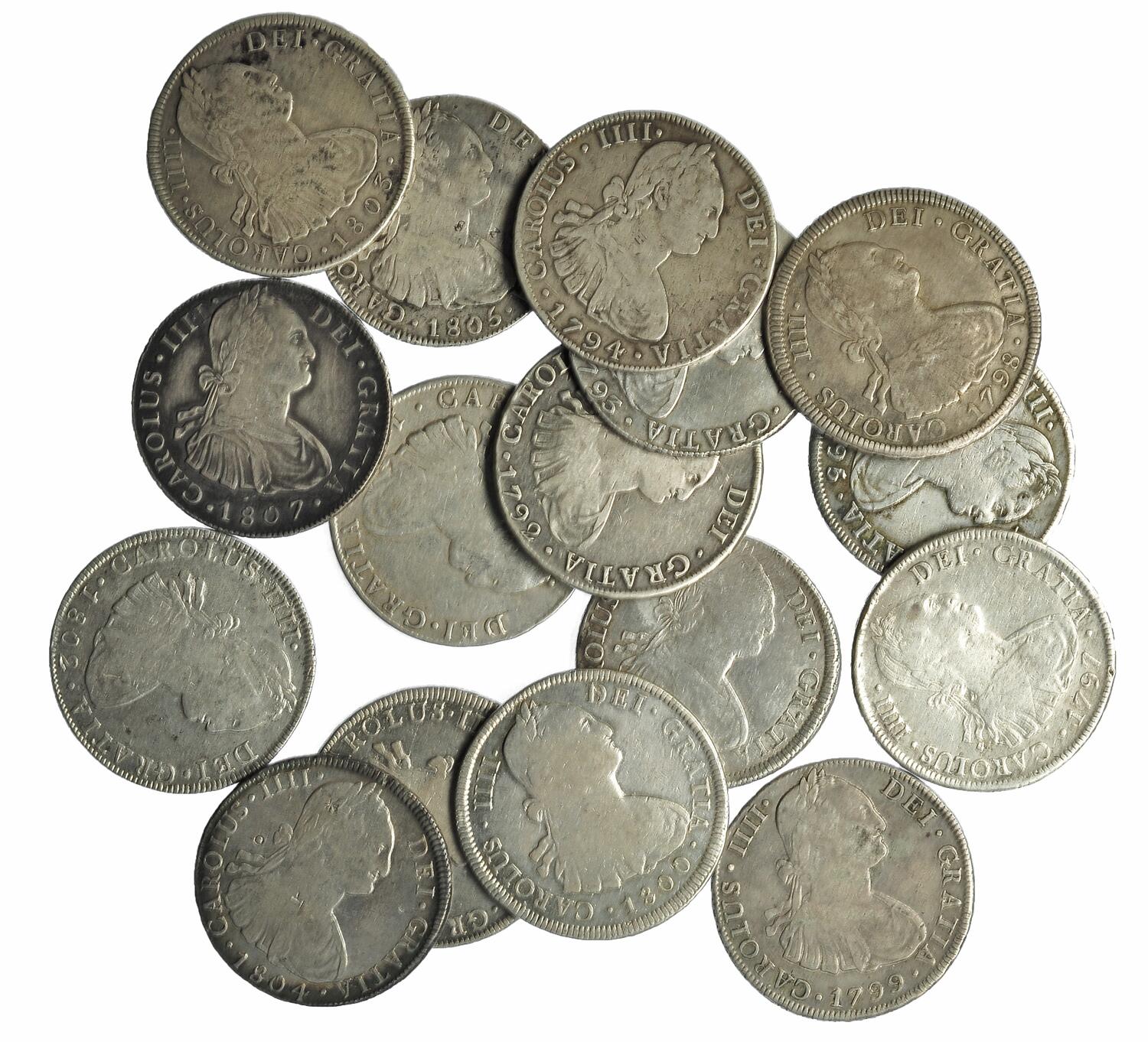
Lot 321         Starting Price: 500 EUR
CARLOS IV. Lote de 16 moneda de 8 reales de Potosí diferentes, 2 con resellos chinos. BC+/MBC.
¿Lotes comparables? ¿Algo que aprender a la vista de tanto lote de 8 reales Carlos IV a la venta?

Subastas Reales Rusas

Enlace a mi tienda en ebid. Iré subiendo más moneditas de mi colección

https://stores.ebid.net/moneditis

————————————————————————————————————————————–

Noviembre es un mes intercalado entre octubre y diciembre…de paso, por el medio… por lo que voy a echar un vistazo a las subastas de Sedwick y Konros, USA y Rusia, a falta de nada mejor que hacer… numismáticamente hablando  🙂  Añadir que, por la cercanía de la Navidad, todos los años desde hace unos cuantos, siempre hay una gran concentración de subastas por estas fechas; mera política comercial.
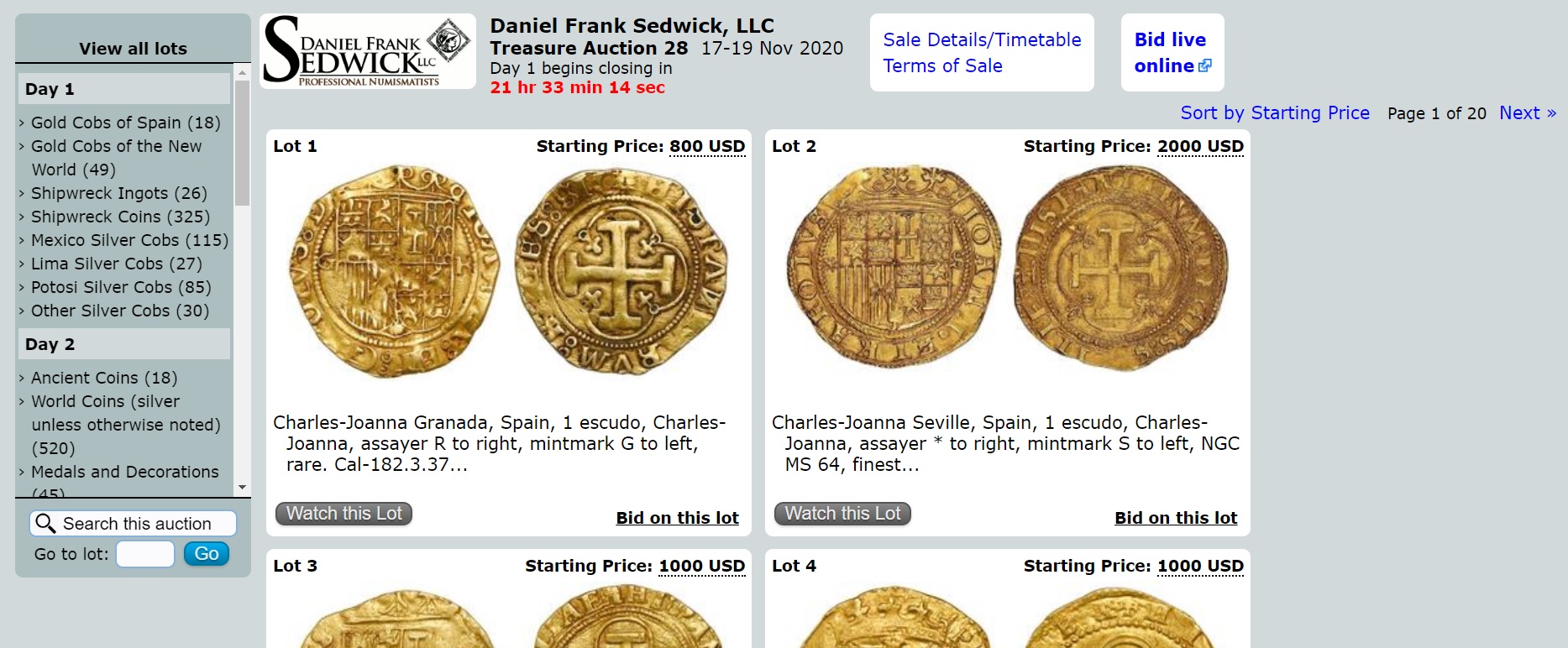
https://www.numisbids.com/n.php?p=sale&sid=4266

https://auction.sedwickcoins.com/auctionlist.aspx

Multitud de lingotes, macuquinas, peluconas, galanos, onzas…

https://www.numisbids.com/n.php?p=lot&sid=4266&lot=21
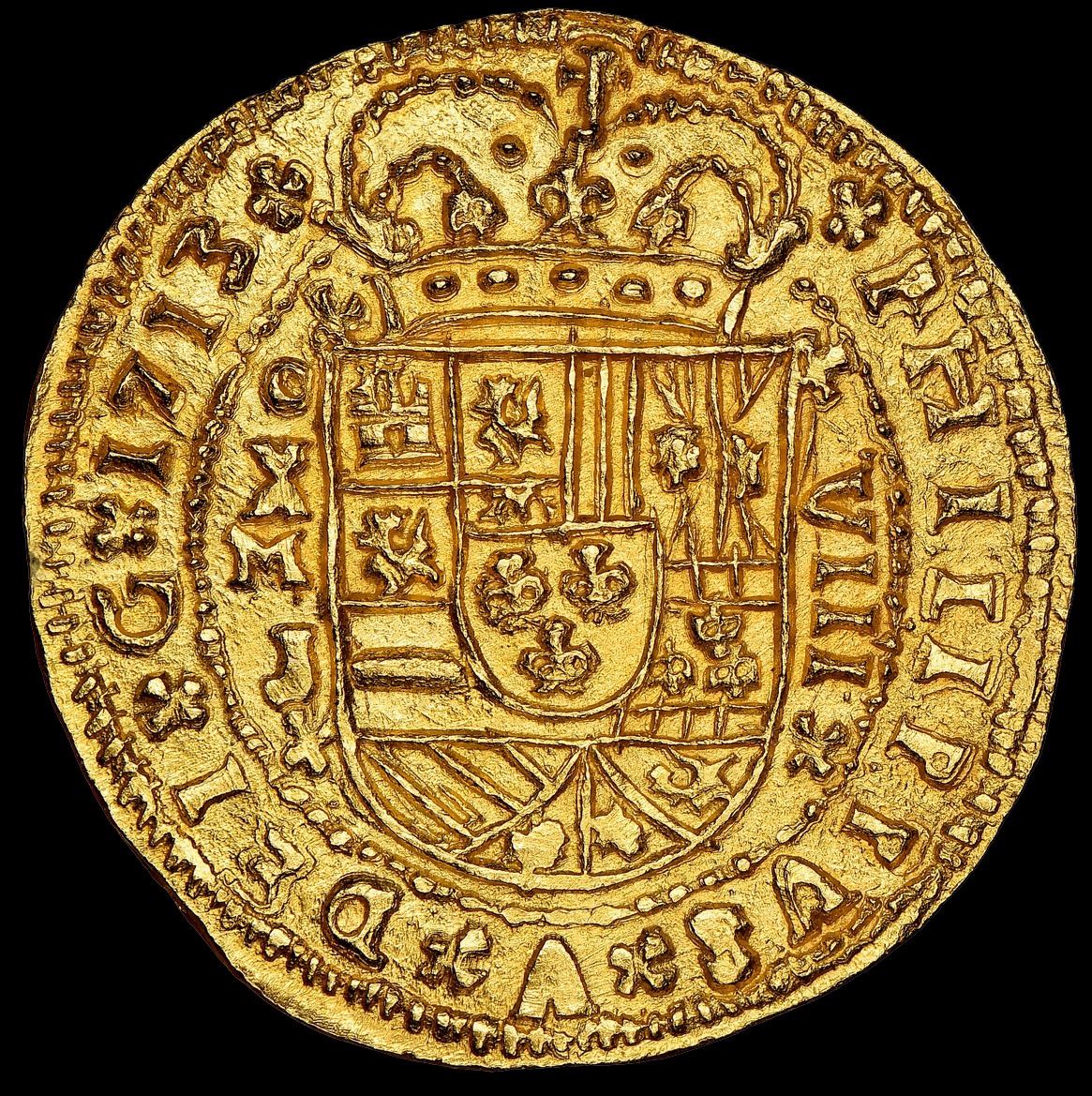
Mexico City, Mexico, cob 8 escudos Royal (galano), 1713J, extremely rare, NGC MS 66, finest and only example graded by NGC, ex-1715 Fleet (designated on special label). S-M30; Cal-2194; KM-R57.1. 27.03 grams. From the 1715 Fleet (Corrigan’s site), pictured on the cover of the November-December 1998 issue of Treasure Quest (a copy of which is included), with Fisher photo-certificate #42933, ex-Rudman. NGC #5909759-001.

Without question, the pinnacle of Spanish colonial coinage is the Mexican 8 escudos Royal (galano), a coin so large and beautiful and perfect as to be considered among the most desirable gold coins in the world. These 8 escudos Royals are quite rare, currently represented by just over 40 specimens across about a dozen dates within the 53-year span in which Mexico made gold cobs (1680-1732). There is no mistaking these special coins; while some regular cob issues come close (normally they are chunky and misshapen) and even some regular-planchet issues were struck with Royal dies (arguably trial or test strikes), only true Royals are perfectly round and evenly struck on planchets of uniform thickness, not to mention that they were generally struck with obverse and reverse in medallic alignment (the present specimen actually rotated 90 degrees, but still oriented with cross aligned). These are formal presentation pieces, to be sure, but the exact purpose of Royals remains unknown, the details behind their commission apparently missing in archival records beyond simple line-item figures labeled “galanos.” While some dates of 8 escudos Royals today are represented by multiple specimens (the most abundant being 1702, 1711 and 1714) others are extremely rare or even unique. The date 1713 is in fact among the rarest, with only two known, the specimen offered here being the finer of the two and the only one graded by NGC. In terms of condition and quality of strike, we feel it is also among the finest of all the known dates.

Like the majority of known 8 escudos Royals, this coin was recovered from the wreckage of the Spanish Plate Fleet of 1715, eleven ships sunk on the reefs off the east coast of Florida in a hurricane in July 1715. It was actually two fleets, the combined Tierra Firme Fleet coming from Cartagena loaded with Peruvian and Colombian treasures, and the New Spain Fleet coming from Mexico with freshly minted coins and Asian jewels from the Manila Galleon trade, united in Havana for the northeasterly trip back to Spain. What had been an annual system of shipping to and from the New World was delayed for many years by the War of Spanish Succession after Charles II’s death in 1700, causing the treasure to pile up in Mexico and Colombia. Spain desperately needed this wealth back home and could not wait for the Fleet to delay any longer when it finally left Havana in July, evidently right into the path of a hurricane. There were many survivors, who encamped on the shores opposite the wrecks, and Spain was able to organize some salvage, only to experience their other nemesis when pirates absconded with much of the recovered treasure. It is impossible to say how much of the 1715 Fleet treasure was saved in its time, or even how much was on board (as contraband could account for perhaps double the amount on the manifest); suffice to say the currently eight known wrecksites (some of which may be parts of the same ship) from present-day Melbourne down to Stuart (aptly called the “Treasure Coast”) have kept divers and beachcombers busy since at least the early 1960s, when Kip Wagner and the Real Eight Co. began organized salvage and instituted a State lease system that is still in place today. The first Royals, in fact, were found by Real Eight and offered at auction as early as 1964.

The coin we are offering here was recovered in August 1998, the find of a lifetime for diver Clyde Kuntz of the salvage vessel Bookmaker (captained by Greg Bounds), under a lease held by the Mel Fisher company , whose photo-certificate (“GRADE: One ++”) accompanies the coin. According to the November-December 1998 issue of Treasure Quest magazine, the cover of which features a photo of this coin, Clyde was working the “Corrigan’s” site , about five miles north of Vero Beach, when on the same day he found both this coin and another 8 escudos Royal dated 1698 (currently unique) that is now permanently housed in the State of Florida collection. The biggest single find of Royals came in the 2015 diving season, in which a staggering ten pieces (dated 1711, 1712 and 1715) were recovered under leases held by Queens Jewels, LLC (the current owner of the 1715-Fleet site leases). Subsequently, we appraised those coins for millions of dollars for Queens Jewels and the State of Florida, which gets a 20% cut of all finds.

The only other known 1713 example , reportedly found on the beach in the 1980s, made headlines in 1985 when it was sold at the January F.U.N. auction (Kurt Krueger) in Florida. The same coin sold in Switzerland in 1991 as part of the Emilio Ortiz collection. According to census information, that coin has not been graded, but we note that it was struck on a smaller flan (also slightly lower weight, at 26.84 grams) with slightly fewer peripheral details than the piece we offer here.

While any one of the Royals is a joy to behold, with full and well-struck details on big, round flans, in our 2015 appraisal we noted that there is actually a good bit of difference in quality (strike and condition) between all the known specimens, even within the same date, in addition to the differences in rarity. Anyone who has ever attempted striking a coin by hand knows that making coins like these requires great strength and dexterity. Hitting on dead center with full pressure on the entire canvas—without bouncing the hammer—is easier said than done. It is no exaggeration to say that a well-struck handmade coin demonstrates a level of skill far greater than what is required to make a beautiful milled coin. In fact, at least one researcher asserts instead that Mexican Royals must have been struck with a screw-press instead, using multiple pressings to achieve such completeness of detail. Also consider the dies: Each Royal die was specially prepared with as much care and aesthetics as the mint could muster, using the same punches available for regular issues but with greater attention paid to concatenation and placement, usually allowing for more ornamentation in the legends and around the inner details. The 1713 issue, for example, has strange X-shaped flowers that appear both as stops in the legend and as space-fillers in the four “corners” of the shield (an aspect of this date only). Presumably important and wealthy people (some would say the King himself) were depending on the mint to make these jewels as near to perfect as possible.

The twelve or thirteen known dates come in five basic types, most easily recognized by their styles of crosses:
Plain Cross: 1695 , 1698
Box-End Cross: 1702
Crosslet Cross: 1711, 1712, 1713
New Cross: 1714
New Cross with Bouquets: 1715, 1717, 1718 (if it exists), 1723, 1728/5, 1729
It should be noted that regular-issue 8 escudos also use these styles, in addition to two more types (used concurrently with others) that at present are NOT represented by any Royals:
Jeweled Cross: 1680-1699
Ornate-Tressure Cross: 1711-1712

While each date within the Crosslet-Cross type of Royals dated 1711-1713 is slightly different in execution, the basic design did not change and in fact marks the end of a rustic style replaced in 1714 with a vastly sharper and more polished design, which some believe can be traced to the implementation of press-type machinery. These post-1713 issues are also generally on smaller, thicker flans.

The 1713 we offer here—arguably finer than any of the known 1711’s and 1712’s and easily superior to the other known 1713—therefore represents the final perfection of the rustic style of the Crosslet-Cross type. Of course the complete lack of wear is a factor, but there is more to it than that: This coin is just SO WELL STRUCK that it glistens from every angle, its color changing from yellow to gold as it turns in the light, the exceptionally deep and skillful strike making sharp peaks out of every design element, with near-perfect centering (especially the obverse) and no doubling or weakness anywhere, all on a huge and essentially flawless flan that extends beyond the outer border of dots. This is best appreciated in hand, or at least in video, where movement reveals the flash of luster that so distinguishes this coin. Just as it has been up till now (in the Isaac Rudman numismatic cabinet), such a perfect specimen will be at home in any of the best coin collections currently being formed around the world, whether focused on colonials, U.S., world or even shipwreck. Mexican 8 escudos as a type are so rare that we have never offered one in our auctions before, and we are honored that our first is indeed one of the most beautiful coins we have ever offered. It will be hard to match this rarity and perfection for a long time.

Updated Census of Known Mexican 8 Escudos Royals by Date
Date King Assayer Quantity known
1695 Charles II L 1
1698 Charles II L 1
1702 Philip V J 7
1711 Philip V J 8
1712 Philip V J 4
1713 Philip V J 2
1714 Philip V J 9
1715 Philip V J 5
1717 Philip V J 1
1718 Philip V J 0
1723 Philip V J 1
1728/5 Phi.V/Louis I D 1
1729 Philip V R 1

_________________________
FOOTNOTES:

– As the table at the end of this article shows, only twelve dates are confirmed, with one more mentioned in references.

– Mel Fisher had worked with Real Eight from 1963 to 1972 and then moved to Key West to pursue salvage on the 1622 Fleet (Atocha and Santa Margarita). Real Eight maintained the 1715-Fleet leases until abandoning them in 1977. Mel Fisher resumed salvage on the 1715 Fleet in 1979. In 2010, Mel Fisher’s family sold the leases to Queens Jewels LLC, which manages salvage there today.

– The wrecksites of the 1715 Fleet are referred to by nicknames as opposed to the actual names of the ships themselves, because in most cases it is uncertain where each of the ships sank. “Corrigan’s” is named after 1950s beachcomber Hugh Corrigan, whose house fronted that stretch of beach.

– Amazingly, this other 1713 was struck from different dies from the present coin. In fact, most if not all of the non-unique dates exhibit multiple dies. Our theory is that the amount of striking pressure required to properly make these big coins with full and bold details caused the dies to break after only a few strikes, and probably there were lots of failed attempts that were just re-melted. While it seems like a waste of resources to make fresh dies to net just a few coins (or less!), consider that these were special issues commissioned by or for wealthy dignitaries who could afford the extra expense and didn’t need lots of coins.

– The single-known specimen of the date 1695, originally sold in the Ubilla-Echevez auction by Christensen in 1967, set a record in 2009 for the most ever paid for a Spanish American gold coin at close to $600,000.
The “bouquets” are floral-bouquet ornaments in the dimples of the tressures and appear only on Royals. They are not the same as the “daggers” in the same positions on the New Cross issues of 1714 and 1715.

– Researcher Philip Flemming points out that the Plain Cross was “aesthetically a better choice” for Royals than the Jeweled Cross, but why the Ornate-Tressure Cross was not used on Royals is a mystery (December 2016 issue of the U.S. Mexican Numismatic Association’s Journal).

– This table is adapted from Kent Ponterio’s preface to Ponterio and Associates’ Auction #108 on April 7-8, 2000. Kent listed only publicly known examples, with detailed information of their appearances. Our only updates to Kent’s work are the addition of ten 8 escudos Royals found in 2015 (seven 1711s, two 1712s and one 1715) and a correction to the 1728 (now recognized as 1728/5 and PHILIPPVS/LVDOVICVS).

– Spanish references by Calicó (Numismática española [2020] and La Onza [2004]) and Tauler (Oro Macuquino [2011]) do list the date 1718, but without photos or any other information. The whereabouts of any specimen(s) is unknown to us, so for now we treat it as quantity 0.
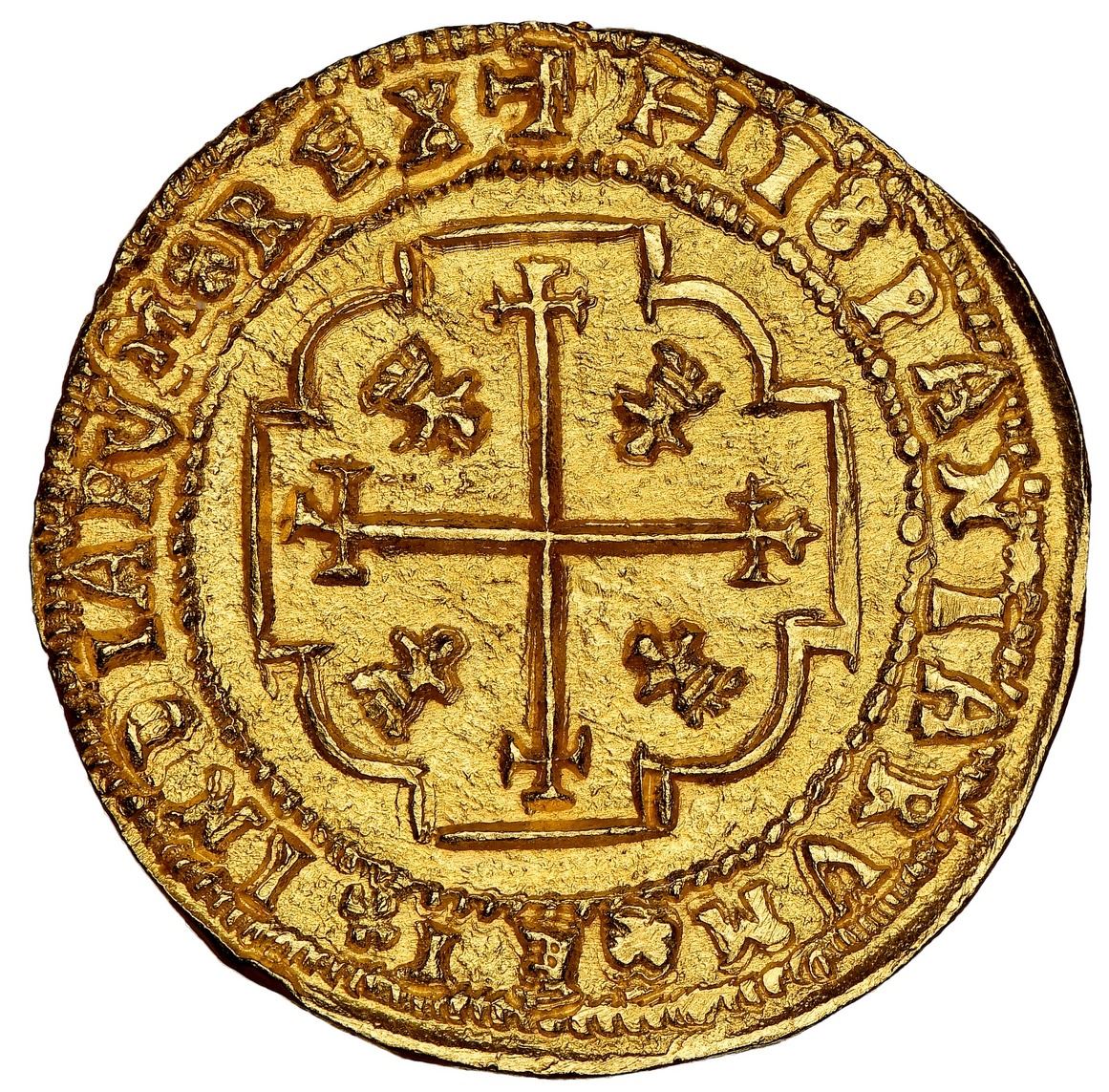
https://www.numisbids.com/n.php?p=lot&sid=4266&lot=487

Lote 487. Nueva clasificación / asignada erróneamente con anterioridad

https://auction.sedwickcoins.com/Mexico-City-Mexico-cob-8-reales-Royal-galano-1615-4F-very-rare-three-known-NGC-AU-details_i38817259
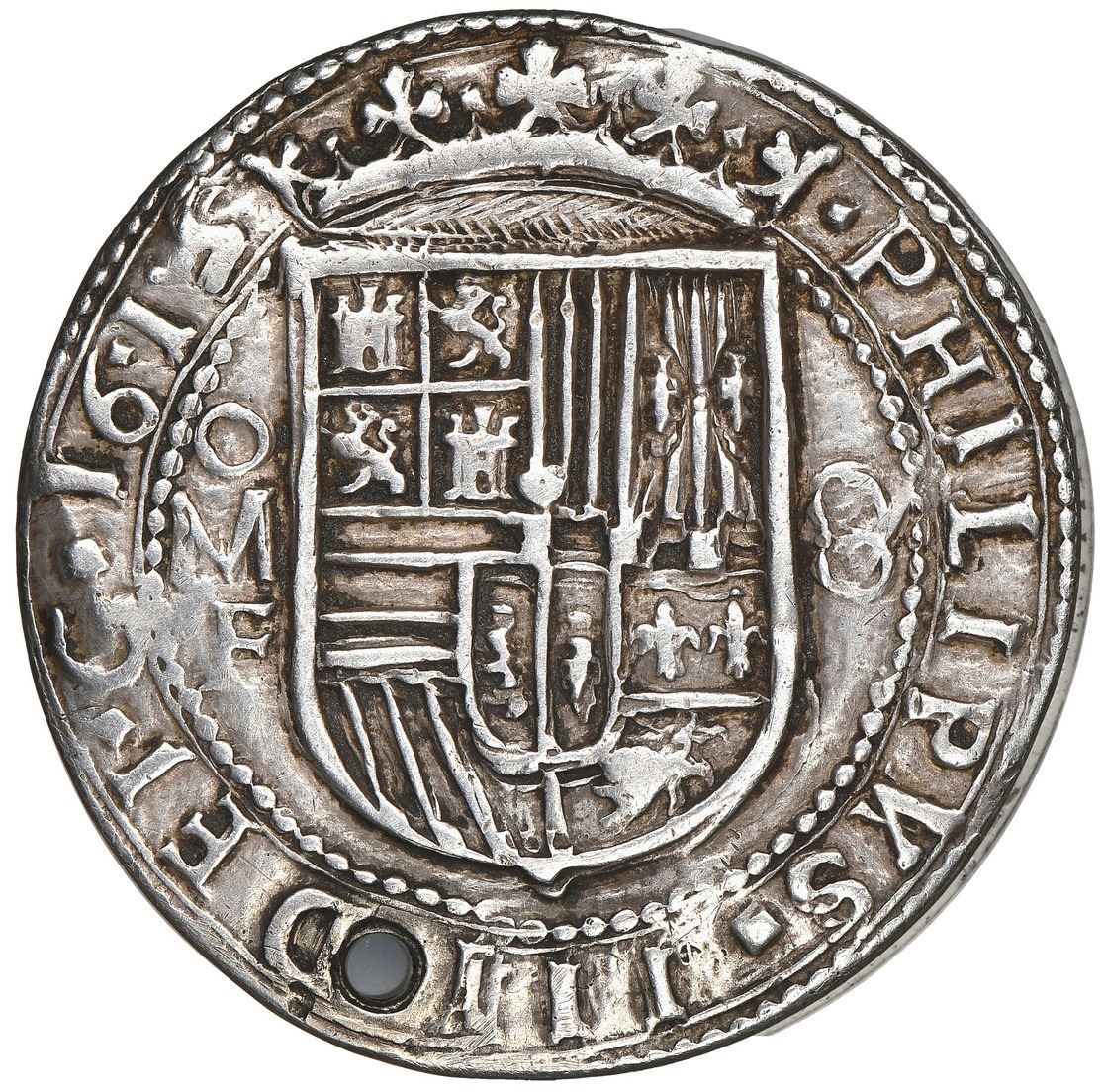
https://www.numisbids.com/n.php?p=lot&sid=4266&lot=490
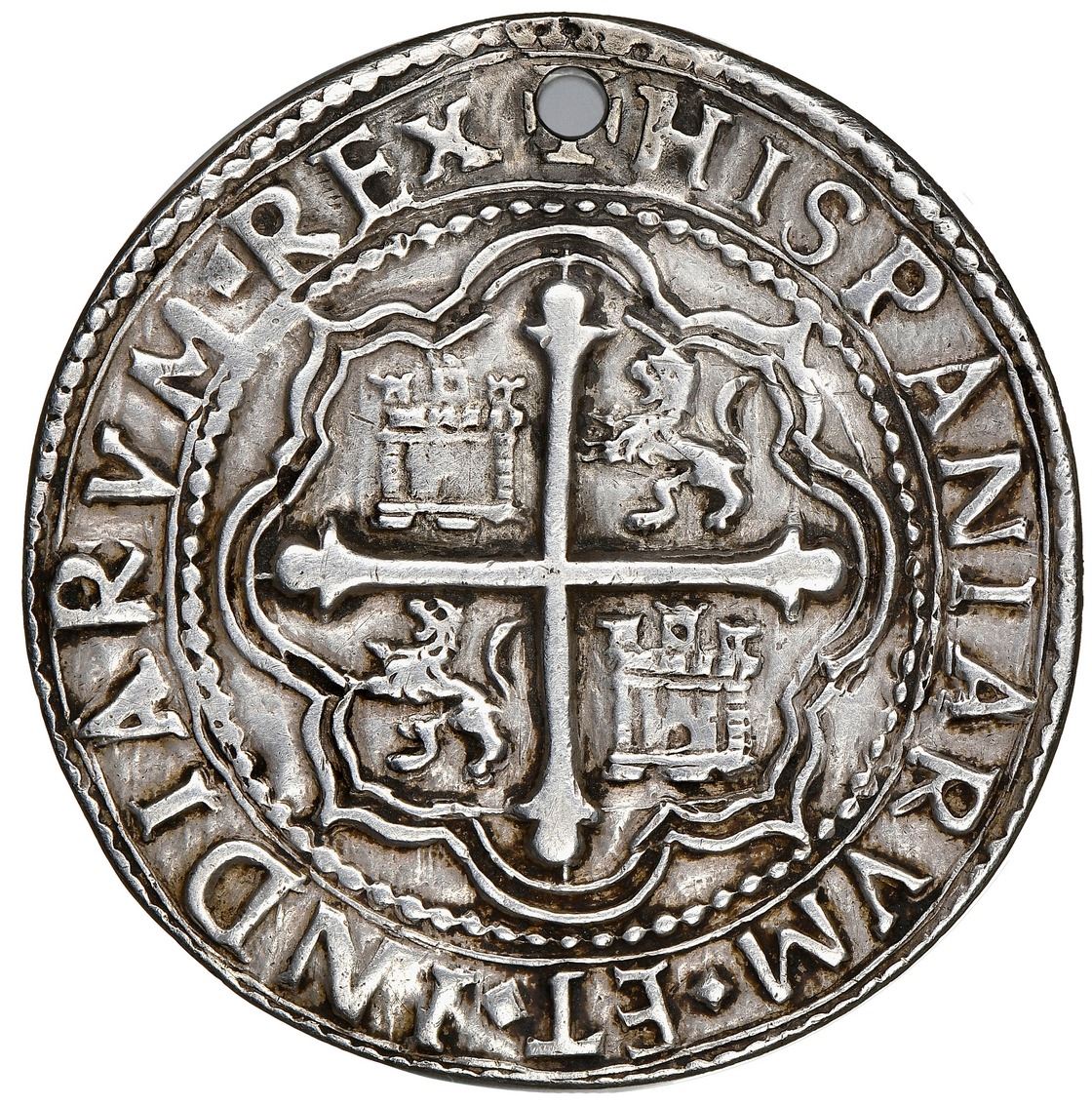
Lote 490. Raro galano

Y muchas moneditas más, además de objetos de naufragio, joyas…Curiosa subasta. ¡Os invito a dar una vuelta y disfrutarla! Habrá que estar atentos a los precios de adjudicación.

Más asequible – menos exclusiva, además de muchas otras diferencias y/o características, es la subasta de noviembre en sala de Konros
https://auction.conros.ru/olive/816/flash/

Pocos oros a la venta; hay demanda – poca disponibilidad. Bastantes rublos y medios de plata, además de denominaciones menores
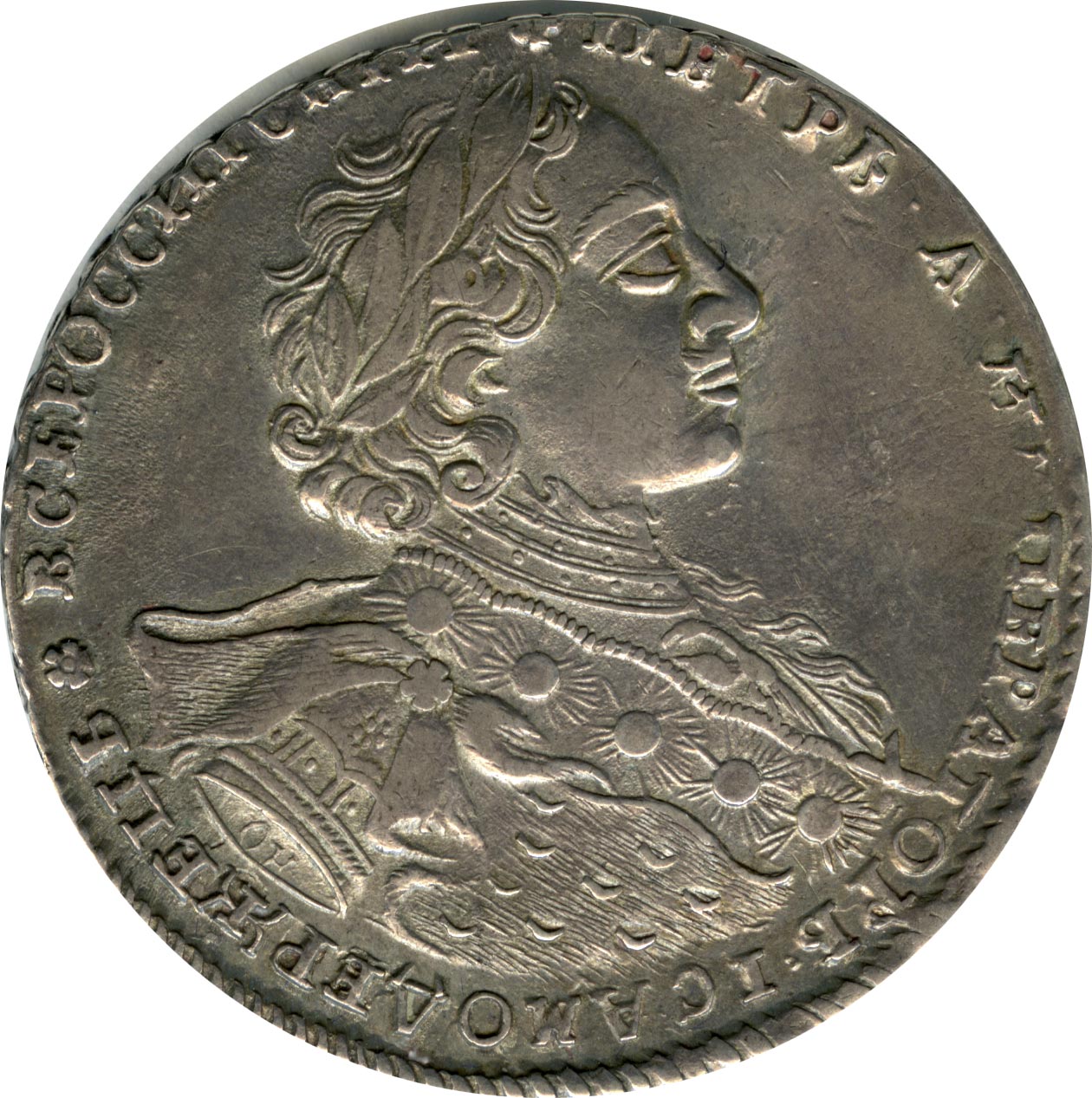
https://auction.conros.ru/lot/2669306/816/0/

Adjudicado en 155.000 rublos + comisión (+- 1.900 €)
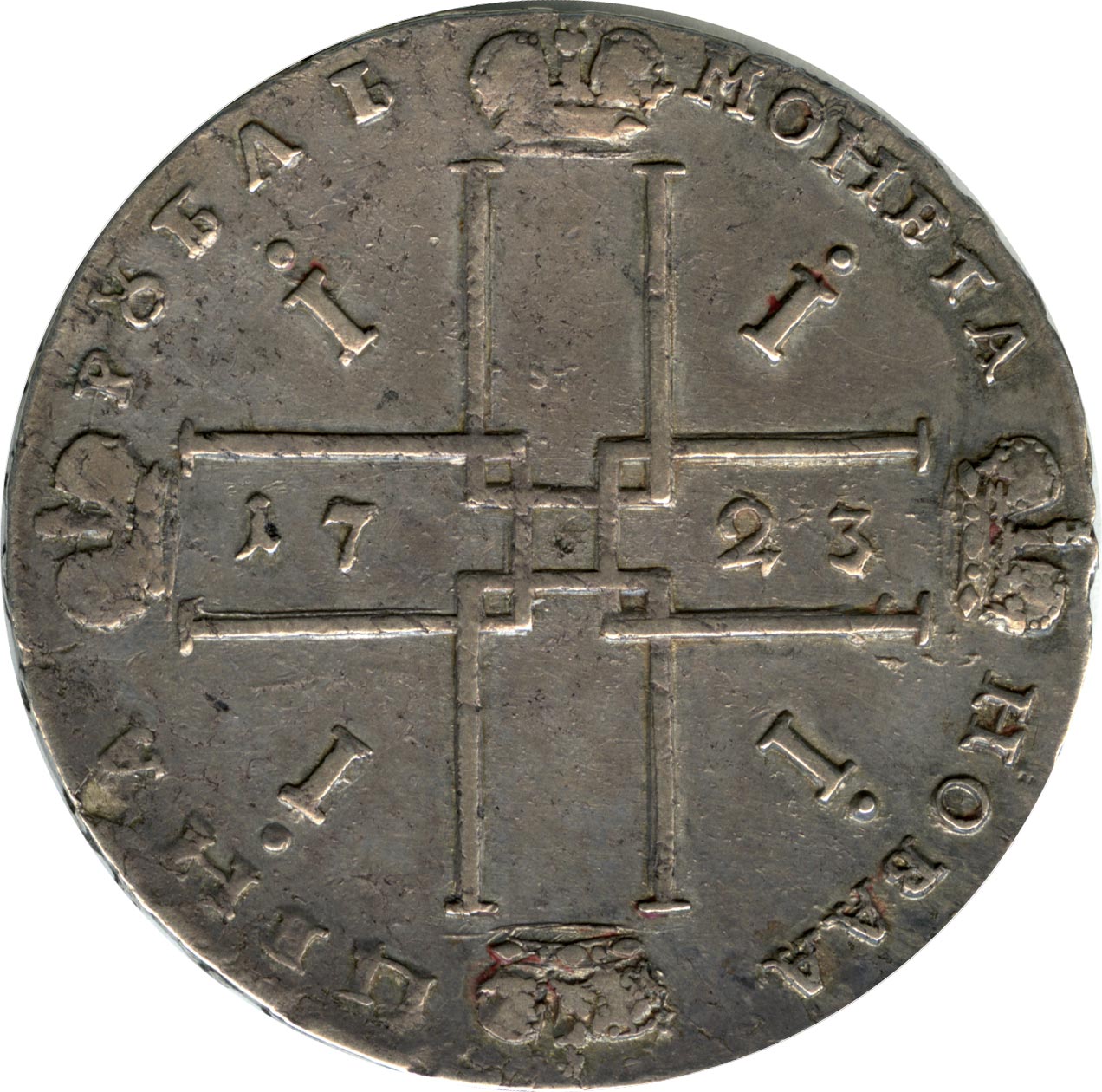
Рубль 1723 года «В горностаевой мантии»

В 1723 году портрет на рублевых монетах меняется, причем дважды. Первый вариант — у нумизматов он получил прозвище «тигровик» – примечателен тем, что на нем латы царя прикрыты горностаевой мантией, а на груди — знаки ордена Св. Андрея Первозванного. В обрезе рукава вновь появляется знак ОК. Выделяют четыре типа лицевой стороны по наличию и размеру андреевского креста на груди.

Разновидности оборотной стороны различаются расположением букв легенды против i.

Гуртовая надпись – «Российский рубль Московского двора», по всей видимости, такое обозначение продукции московского Кадашевского двора связано с ожидаемым началом работы нового монетного двора в Санкт-Петербурге.

Легенда лицевой стороны – «Петр А (Алексеевич) Император и Самодержец Всероссийский», оборотной – «Монета новая цена рубль» и дата арабскими цифрами. Проба — 729, вес 28, 44 грамма.

96 копеек 1757
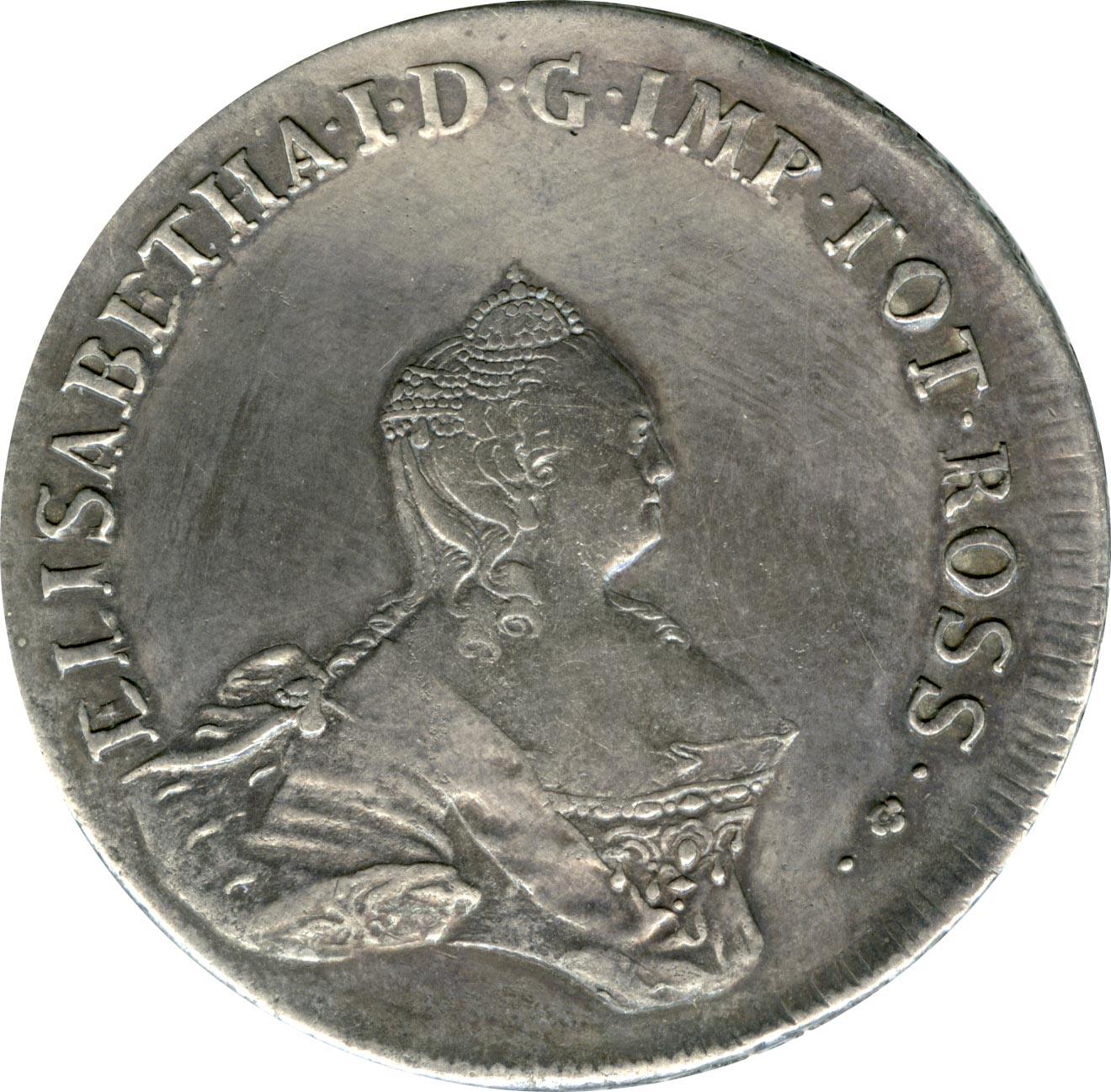
https://auction.conros.ru/lot/2669315/816/0/

Adjudicado en 160.000 rublos + comisión (+- 1.950 €)
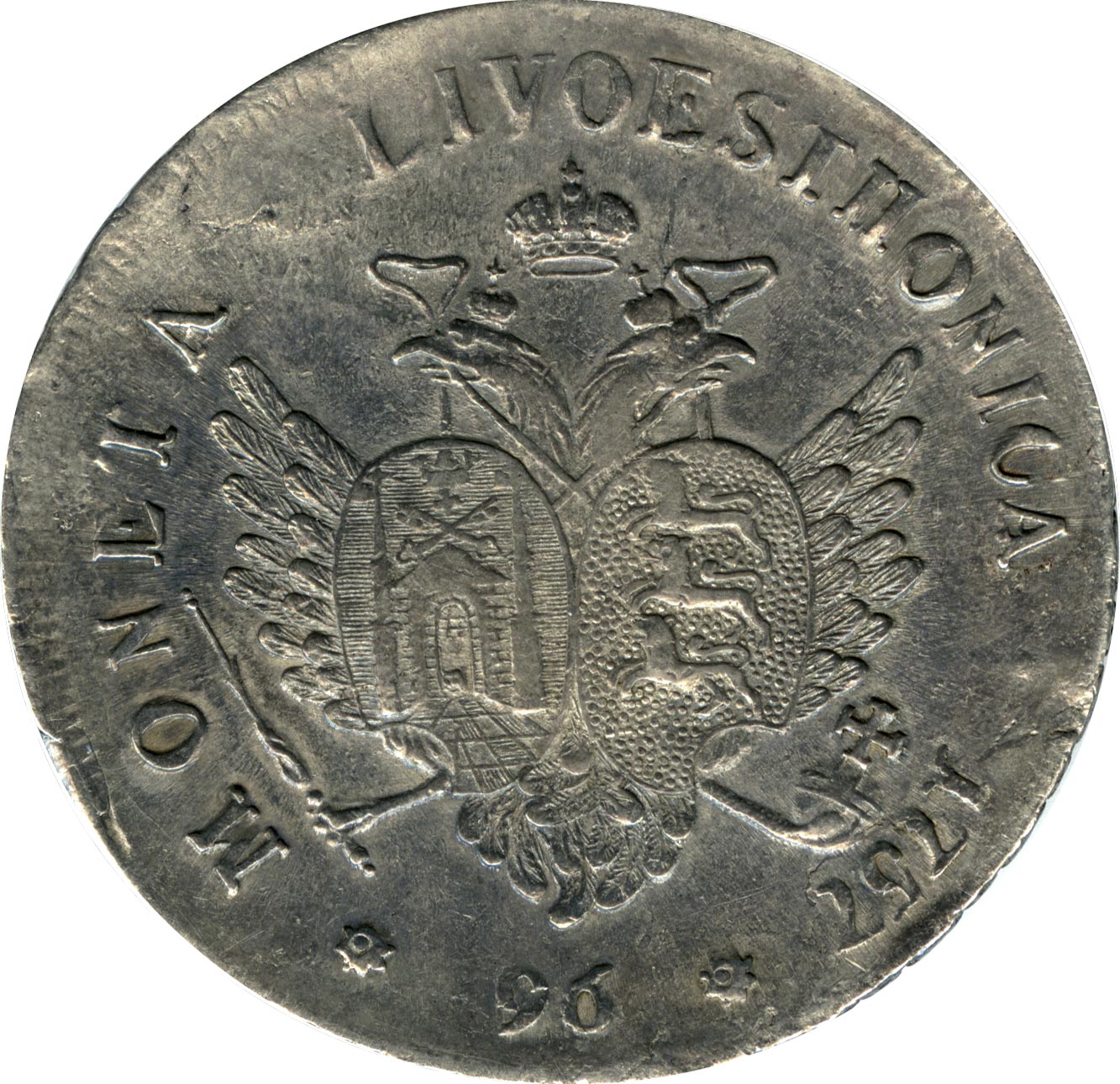
96 копеек «Ливонез»

Следующий номинал является очень непривычным для российской системы денежного обращения, поскольку ориентирован не на десятеричную, талерную. Внешнеполитические успехи елизаветинского времени оставили свой след в двух региональных выпусках монет. Первый — это монеты для прибалтийских провинций Ливонии и Эстляндии.

Необычный номинал свидетельствует о попытке привязать русскую денежную систему к талерной, основанной на 12-кратном счете и привычной для населения провинций. На оборотных сторонах монет 96, 48 и 24 копейки в клювах орла на лентах подвешены гербы городов Риги и Ревеля (с 1917 года — Таллин).

Чеканились в Москве на Красном дворе петербургскими штемпелями работы Б. Скотта.

Лицевая сторона — портрет императрицы, оборотная — российский двуглавый орел с гербами Риги и Ревеля и надпись MONETA LIVOESTHONICA, цифра 96 и дата. Проба — 750, нормативный вес — 26,38 грамма, гурт — узор.

Por aquí os dejo los enlaces de las dos (2) últimas subastas en sala anteriores, para que comparéis

https://auction.conros.ru/clive/809/flash/

https://auction.conros.ru/clive/805/flash/

P.S. En próxima subasta de Vico, curioso 8 escudos platino 1776 – Lima, falsa de época

https://www.numisbids.com/n.php?p=lot&sid=4291&lot=538
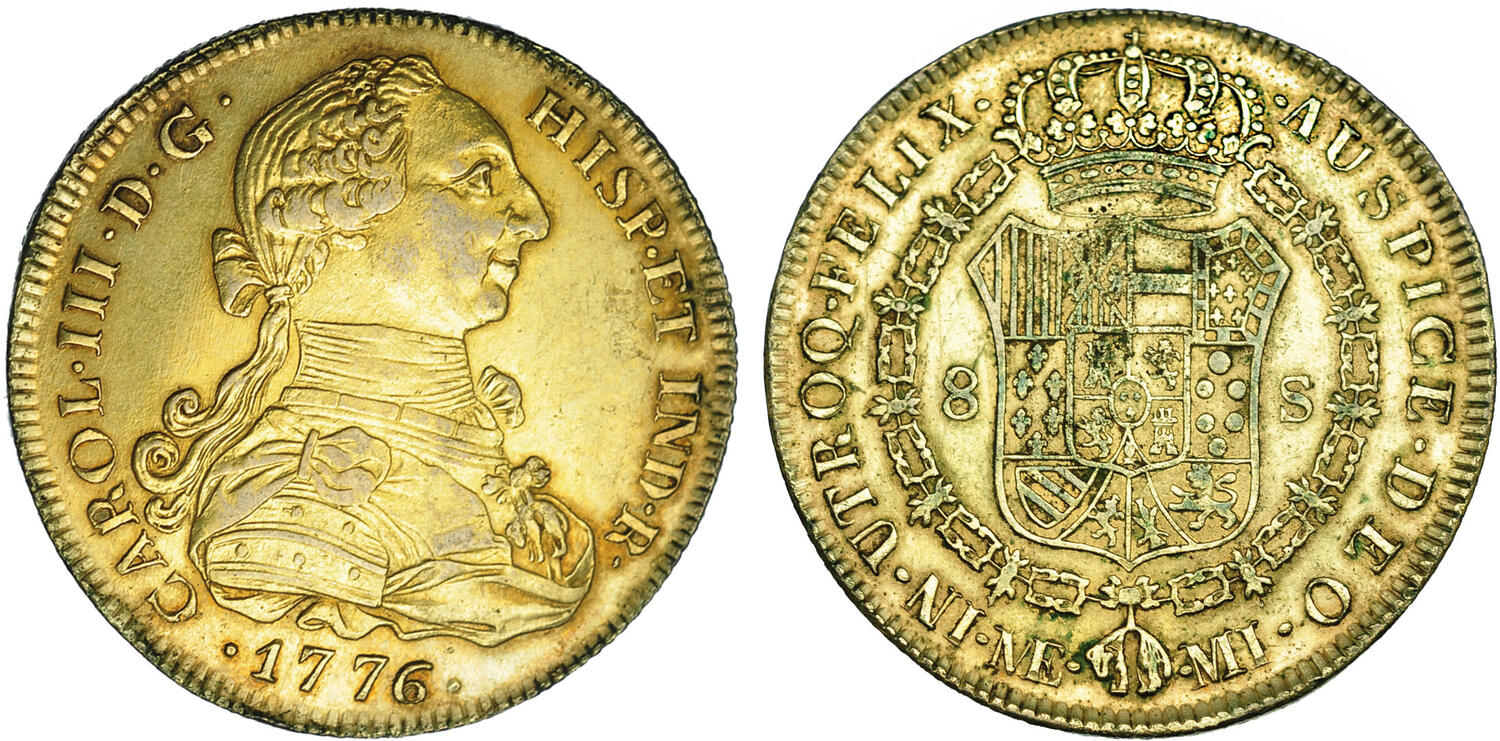
Lot 538         Starting Price: 600 EUR  Minimum bid: 600 EUR

8 escudos. 1776. Lima. MI. Falsa de época en platino dorado. 27,1 g. Barrera-358. MBC+.

Abriendo la imagen en pestaña aparte se aprecian mejor los detalles