«…Las amargas derrotas de los españoles en los Países Bajos llevaron a Felipe II a entregarlos como dote a su hija Isabel Clara Eugenia al casar con Alberto Archiduque de Austria, gobernador y después soberano de estos países. Alberto e Isabel emitieron Ducatones y Patagones en Flandes de acuerdo con la misma métrica que los acuñados por Felipe II, especialmente en Amberes y Bruselas. Tras su muerte sin sucesión, los Países Bajos pasaron nuevamente a manos de la Corona española en la persona de Felipe IV en 1621…»
A continuación, varas charlas / conferencias en la E-learning Academy de la ANA (American Numismatic Association) ya en Julio. Desde graduación de monedas hasta numismática mexicana, pasando por detección de falsas, Morgan Dollars, numismática italiana, errores…¡Muyyyy interesante!. Os dejo el enlace a la última donde se contienen los «links» (conferencias desde Norteamérica 🙂 ) a las anteriores
«En cuanto a las 25 monedas mundiales más falsificadas, el top 1 lo ostentan los 15 rublos oro 1897 Nicolás II»
«Además de los Gold Indian Quarter Eagles y Gold Dollars, los 20 $ Gold Double Eagles Saint-Gaudens de 1924, aún siendo de oro .900, se han falsificado bastante, dentro de la categoría de monedas americanas más falsificadas»
Lo dejamos aquí https://moneditis.com/page/23/ el uno (1) de octubre de 2020; la próxima y, probablemente, última entrada de este 2020, comenzará con Junk Silver
De 1655 a 1659 circularon estos Thalers y Patagones / Ducatones contramarcados, por necesidades de guerra. El Zar aplicó un estupendo señoreaje para, además, llenar sus arcas (64 kopeks)
Hay varias entradas posteriores sobre los «efimoks», incluyendo libro ruski al respecto
En los comentarios, un lector me preguntó por ensayos no destructivos; aquí mi respuesta
W – Conductividad eléctrica: 18,9 × 10⁶ S/m Velocidad del sonido 5174 m/s a 293,15 K (20 °C) Conductividad térmica: 174 W / (K.m) Pt – Conductividad eléctrica 9,5× 10⁶ S/m Velocidad del sonido 2680 m/s a 293,15 K (20 °C) Conductividad térmica 71,6 W/(K·m)
Curiosas ciertas coincidencias a lo largo de estas entradas conmemorativas de los diez (10) años del blog en cuanto a su temporalidad pasada coincidente con el presente en más de una (1) y de dos (2) ocasiones. El azar no existe…menos cuando lo parece
Con esto se acaba el 2018. El 2019 viene cargado, como no puede ser de otra manera, con mucha información y datos, por lo que lo vamos viendo. Abajo la página donde nos hemos quedado, aunque puede ir variando según vaya añadiendo entradas. Es muy sano echar la vista atrás
2 Ducats 1714, Red Mint. 6.91 g. Diakov 445 (R4). Bitkin 17 (R3). Fr. 86. Von grösster Seltenheit / Of the highest rarity. 500 roubles according to Petrov. NGC VF30. Mit kleinem Gegenstempel «C» auf der Vorderseite / With small punch mark «C» on obverse.
From the Hutten-Czapski Collection.
This piece with the Count Emmerich Hutten-Czapski punch mark comes probably from the Grand Duke Georgi Mikhailovich collection since the Russian part of the Count was bought by the Duke. This extremely rare 1714 Double Ducat has only been offered twice at auction in the last 60 years. By contrast, more than six examples of the second type, described Novodel by Bitkin, have been auctioned.
P.S.II Interesante vídeo con una lectura e interpretación inusual del famoso comic «Astérix y Obélix»
En 1807 se termina la construcción de una nueva Casa de la Moneda en la Fortaleza de Pedro y Pablo (San Petersburgo), iniciada por Pablo I en 1800, con la tecnología puntera de la época para acuñar moneda, importada de Inglaterra. El 20 de junio de 1810 se publica una disposición sobre el sistema monetario, estableciéndose el rublo como moneda de referencia en la Rusia Imperial.
GEOGRAPHICAL SERIES: The First Russian Voyage Around the World 3 RUBLOS 1993 The Map of the Voyage 3 RUBLOS 1994 The First Russian Antarctic Expedition 3 RUBLOS 1995 S.I. Chelyuskin 3 RUBLOS 1995 R. Amundsen Russian Explorers of Central Asia 3 RUBLOS 1999 N.M.Przhevalsky he picture of members of an expedition against 3 RUBLOS 1999 N.M.Przhevalsky picture of an expedition’s camp against The Development and Exploration of Siberia, the XVIth-XVIIth centuries 3 RUBLOS 2001 map of Siberia from the XVIIth century: The 1st Kamchatka Expedition 3 RUBLOS 2003 Kamchatka Aboriginals The 2nd Kamchatka Expedition 3 RUBLOS 2004 The 2nd Kamchatka Expedition, 1733-1743 Research Expeditions of G.I. Nevelskoy to the Far East of 1848-1849 and 1850-1855 3 RUBLOS 2013 Research Expeditions of G.I. Nevelskoy to the Far East of 1848-1849 and 1850-1855
RUSSIAN BALLET SERIES: 3 RUBLOS 1993 a dancing ballet duet 3 RUBLOS 1994 a dancing duet 3 RUBLOS 1995 The Sleeping Beauty 3 RUBLOS 1996 The Nutcracker Masha and the Prince dancing at the ball, 3 RUBLOS 1996 The Nutcracker the Prince and the King of Mice 3 RUBLOS 1997 The Swan Lake four ballerinas performing the small swans dance 3 RUBLOS 1997 The Swan Lake wicked genius Rothbart and Siegfried in their single combat from the Third Act 3 RUBLOS 1999 Raymonda picture of the Saracen sheikh Abderakhman and Raymonda 3 RUBLOS 1999 Raymonda picture of the knight Jean de Brienne and Saracen sheikh
En la próxima entrada conmemorativa de estos 10 años me centraré en el libro de Manuel Vilaplana Persiva – Historia del Real de a 8 y alguna curiosidad
1. tr. Perfeccionar, precisar o dar el último punto a algo. U. t. c. prnl.
2. tr. Hacer fino o cortés a alguien. U. m. c. prnl.
3. tr. Purificar un metal.
4. tr. Poner en tono justo los instrumentos musicales con arreglo a un diapasón o acordarlos bien unos con otros.
5. tr. Apurar o aquilatar hasta el extremo la calidad, condición o precio de algo. Afinar las condiciones del acuerdo.Afinar el precio.6. tr. Arg., Cuba, El Salv., Hond., Méx. y Ur. Mejorar el funcionamiento y rendimiento del motor de un vehículo mediante la limpieza y regulación de sus partes, en especial las bujías y el carburador.
7. intr. Cantar o tocar entonando con perfección los sonidos.
Tras mucho intercambio de opiniones, lecturas, visionados, escuchados…voy con esta intensa y caótica entrada con ya el 2023 llegado de lleno, sin perder de vista las queridas moneditas que todos adoramos 😉
Visto y leídas opiniones dispares sobre el comportamiento de los metales preciosos: desde la superación de máximos anteriores en breve y 3.000 US $ a final de año hasta la distribución que se está produciendo con el precio actual, supuesto techo temporal, pasando por la habitual acumulación de metales por parte de China, Rusia, India…Hay para todos los gustos. Como me gusta la ciencia (devaluada por motivos espúreos (espurios) en los últimos tiempos) voy a comentar un par de noticias al margen aunque relacionadas
«Ya es posible desarrollar baterías de iones no metálicos de alta energía que puedan competir con las de iones metálicos»
«…Con los cationes de amonio, los investigadores eligieron iones de hexafluorofosfato como portadores de carga negativa y aprovecharon la capacidad del grafito para alojar reversiblemente estos aniones dentro de sus capas para crear una batería de «doble ion». En la batería, los cationes y los aniones se insertan simultáneamente en su electrodo correspondiente durante los ciclos de carga y se liberan en el electrolito durante los ciclos de descarga…»
«…Las moléculas pequeñas como el hidrógeno, el dióxido de carbono o el monóxido de carbono a menudo se producen como subproductos de procesos técnicos a gran escala o son fácilmente accesibles a partir de materias primas renovables», explica Däschlein-Gessner. «Como son fáciles de conseguir, resultan interesantes como componentes básicos de síntesis para obtener materias primas esenciales o productos químicos finos, como productos agroquímicos o farmacéuticos. Es una vía prometedora para el desarrollo de procesos de síntesis sostenibles…»
Los investigadores utilizan la inteligencia artificial para descubrir rápidamente nuevas nanoestructuras autoensambladas
«…Las estructuras recién descubiertas se formaron mediante un proceso llamado autoensamblaje, en el que las moléculas de un material se organizan en patrones únicos…»
…»El autoensamblaje puede utilizarse como técnica de nanopatterning, que impulsa los avances en microelectrónica y hardware informático»…
El avance abre la puerta a una forma totalmente nueva de controlar los productos de las reacciones químicas
…En su laboratorio, los investigadores se especializan en intentar controlar la dirección del eje de enlace de las moléculas implicadas en reacciones químicas, una forma de manipular las reacciones químicas más allá de los métodos tradicionales, como añadir catalizadores adecuados y cambiar la temperatura o la presión de una mezcla de reacción.
«En la mente de muchas personas, e incluso en algunos libros de texto de química, la estructura y la forma de una molécula se ignoran subliminalmente en la imagen física de una reacción química», afirma Yufeng Wang, autor principal del estudio y químico del Laboratorio Estatal Clave de Dinámica de Reacciones Moleculares de la Academia China de Ciencias. «Pero las moléculas no pueden tomarse simplemente como un punto de masa. La estructura y la forma de la molécula reaccionante pueden influir profundamente en la reacción química»…
Todo es Química. Algo más que un par de noticias…extrapolables a lo que sucede a nuestro alrededor en el día a día, simplemente cambiando alguna palabra y/o concepto en las entradillas de los anteriores apuntes químicos. No pasa nada. Parece que hay cambios que se aceleran y tradiciones que se ralentizan…o viceversa, que ya tengo un lío tremendo con las CBDCs, criptoactivos, tokens…
Desaparecen los papelitos de colores y aparecen los ceros y unos (0,1) digitales directamente en nuestros teléfonos/ordenadores/frigoríficos/lo que sea que esté conectado a internet, entre otros avances económico-sociales. Miedo me da lo que lleva pasando desde los años 90.
«Es el precio de la fama» decían en una buena y antigua peli. ¿Será el precio de lo que se nos viene demasiado alto? Yo no lo sé, pero podré comparar con lo vivido anteriormente, supongo
La imagen superior se asemeja a los ciclos de Kondrátiev, entre otros estudiosos de los ciclos económicos, pero salpimentado parece con algo de kábala y alguna cosita más. A estudiar (como los lotes de conjunto en subasta)
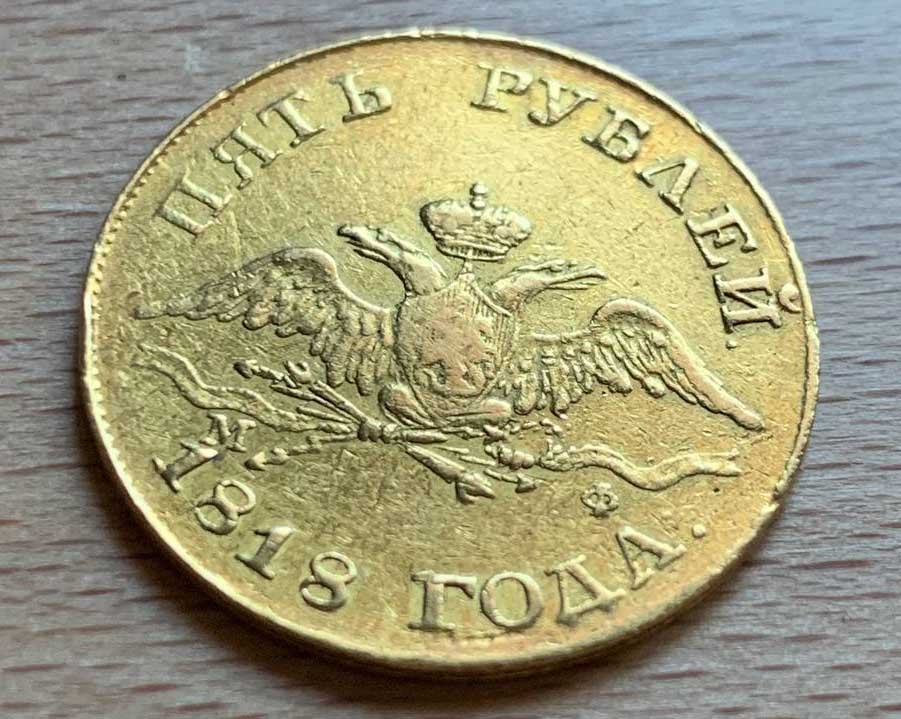
После двенадцатилетнего перерыва в чеканке золотых монет с 1817 года и на долгое время единственным золотым номиналом становится пятирублевый полуимпериал. Указ от 14 февраля 1817 года устанавливает стопу в 312 рублей 88 8/9 копеек и золота 88/96 пробы.
На монеты помещается новый герб — так называемый «масонский» орел с опущенными крыльями, на груди которого московский герб, в лапах факел, лавровый венок, перуны и лента, без корон на головах. Этот тип герба появится на серебряных монетах с 1826 года (в лапах вместо перунов ликторский пучок), а на медных — с 1830 года (в лапах орла перуны, на головах орла короны). См. статью «Масонский орел» на сайте «Конрос».
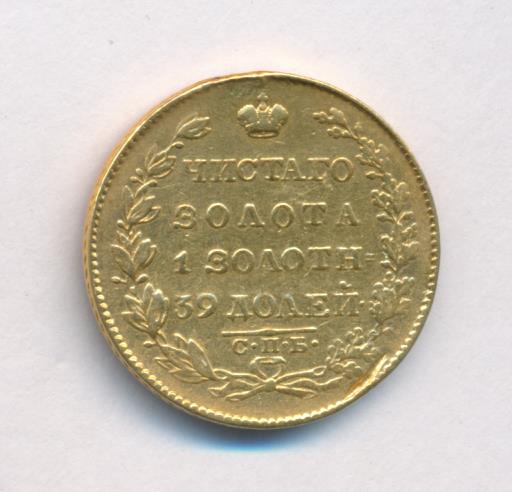
Лицевая сторона – «масонский» орел, дата и надпись «ПЯТЬ РУБЛЕЙ»; оборотная – венок из лавровой и дубовой ветвей вокруг надписи «ЧИСТАГО ЗОЛОТА 1 ЗОЛОТН 39 ДОЛЕЙ». Проба — 917, нормативный вес — 6,54 грамма,
Después de una pausa de doce años en la acuñación de monedas de oro desde 1817, y durante mucho tiempo, la única denominación de oro se convierte en el semiimperial de cinco rublos. El decreto del 14 de febrero de 1817 establece un tope de 312 rublos 88 8/9 kopeks y oro 88/96.
En las monedas se coloca un nuevo escudo de armas: el llamado águila «masónica» con las alas caídas, en cuyo pecho está el escudo de Moscú, en las patas una antorcha, una corona de laurel, plumas y cinta, sin coronas en las cabezas. Este tipo de escudo aparecerá en las monedas de plata desde 1826 (en las patas en lugar de las plumas), y en las de cobre desde 1830 (en las patas del águila de las plumas, en las cabezas del águila de la corona). Vea el artículo «el águila Masónica «en el sitio web de Conros.
El anverso es un águila «masónica», la fecha y la inscripción» CINCO RUBLOS»; el Reverso es una corona de ramas de laurel y roble alrededor de la inscripción»oro PURO 1 ORO 39 LÓBULOS». Prueba-917, peso estándar-6,54 gramos,
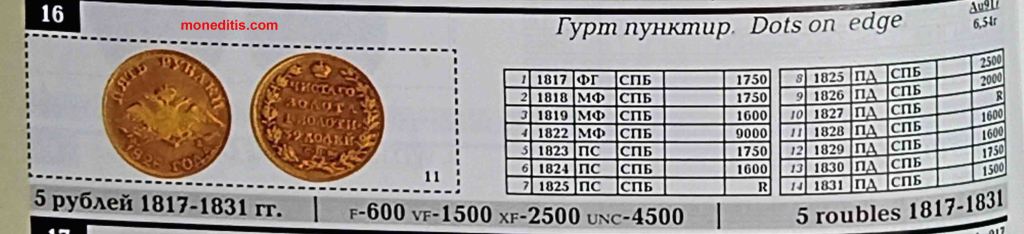
Los detalles sobre las variedades se pueden encontrar en el catálogo básico «Monedas de Rusia 1700-1917»
Foto superior: catálogo konros referente a los 5 rublos de marras
El siguiente fragmento, a modo de epílogo de esta entrada, pertenece al libro «Tragedy and Hope» de Carroll Quigley que introdujo a los masones (Rhodes, Milner, …) en la ecuación económica, situando el poder del capitalismo financiero mundial en manos privadas, FED, Reichsbank, BIS…controlando los sistemas políticos de cada país de manera feudal
Tragedy and Hope? The tragedy of the period covered by this book is obvious, but the hope may seem dubious to many. Only the passage of time will show if the hope I seem to see in the future is actually there or is the result of misobservation and self-deception. The historian has difficulty distinguishing the features of the present, and generally prefers to restrict his studies to the past, where the evidence is more freely available and where perspective helps him to interpret the evidence. Thus the historian speaks with decreasing assurance about the nature and significance of events as they approach his own day. The time covered by this book seems to this historian to fall into three periods: the nineteenth century from about 1814 to about 1895; the twentieth century, which did not begin until after World War II, perhaps as late as 1950; and a long period of transition from 1895 to 1950. The nature of our experiences in the first two of these periods is clear enough, while the character of the third, in which we have been for only half a generation, is much less clear.
Esta entrada le pertenece a un amigo, que se ha tomado la molestia de grabar el siguiente vídeo. Gracias
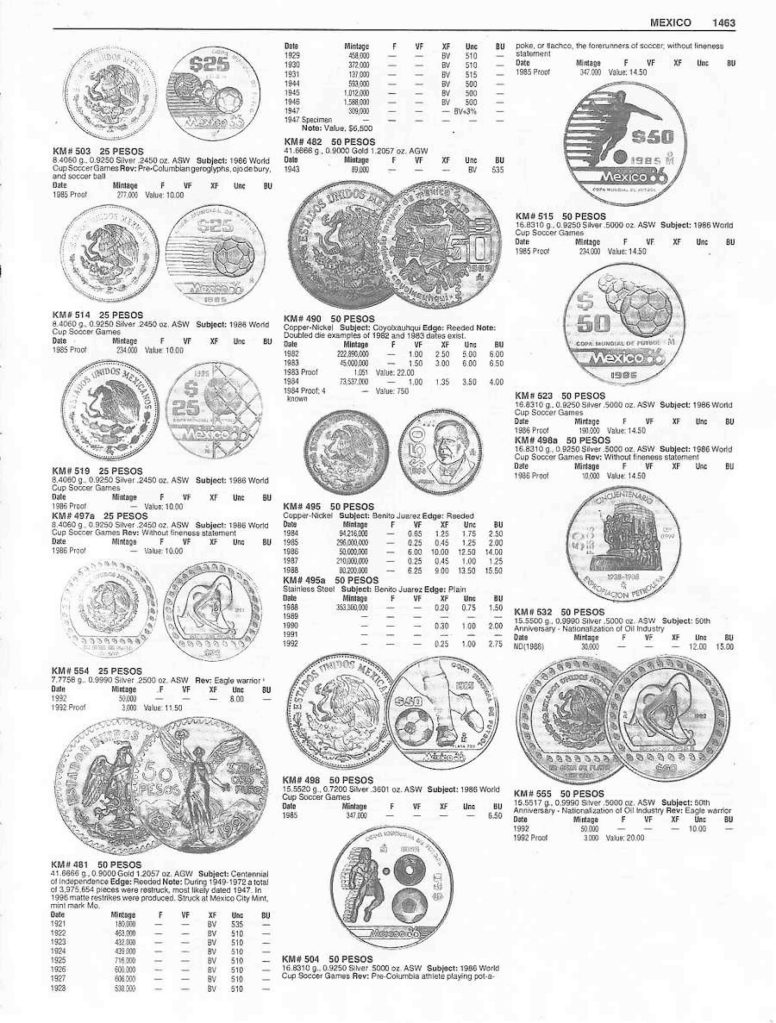
Poco que añadir, salvo las páginas del Krause a las que hace referencia Mr. X 😉
Los precios de catálogo no están actualizados, aunque si lo estuvieran siempre es mejor acudir al mercado de abastos metalero para su comprobación y compra/venta. Por ejemplo https://www.lavetadeoro.com/ aunque no sólo
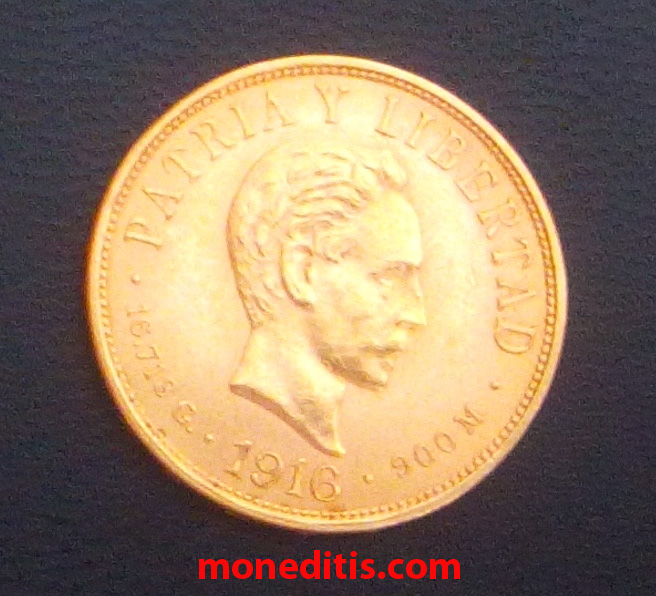
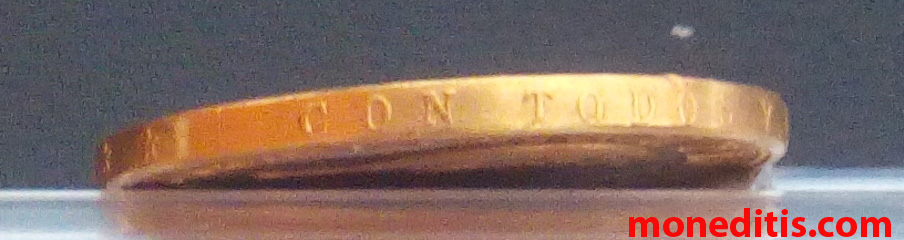
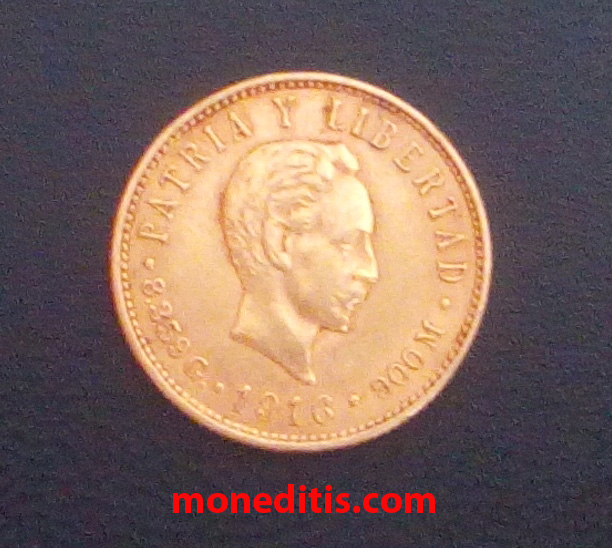
Hace 50 años estas monedas de oro tenían un mayor sobrespot / estaban más valoradas
Además de los pesos en oro, también los hay de plata…pero esa es otra historia por contar…
P.S. Continuando con el Post Scriptum de la entrada anterior, ahondando en lo que parece una alta demanda de plata por parte de la industria y de los inversores
«Right now the global bank and regulatory community has much bigger, more important fish to fry than the little old stupid silver market. Ultimately leaders do not care about price, they care about speed of rise and headline risk that conveys they are losing control of financial markets. Therefore true price will be the last thing to reflect value as it will not happen overnight, and shorts will use all their considerable power to slow it. Let them. Ultimately the smart banks will be long; just like you and the government. Structural problems can’t be spoofed away. The only thing that can stop this eventuality of repriced Silver is another great depression in our opinion.»
«This is about a plateau price for Silver in the $50s with launching pad prices higher over years. This is a revaluation from real necessary global demand, fractured supply chains, and a shortage of good collateral. It will merely start with a paper short squeeze. This is not AMC or BBBY squeeze that can be printed away. It is a much bigger manifestation of structural deficit. Meme stocks were a warm up of opportunists taking advantage of structural imbalances for short term gains. Silver is a real market. The world just doesn’t know it yet.»
Leyendo los comentarios del enlace anterior encuentro este otro enlace…
«Please take a deep breath and allow the following two sentences to land:
The market is in backwardation because those of us currently holding physical silver, who are being offered the “risk-free” immediate profits plus interest, do not believe for one second the paper promises to get our silver back in the future will be honored. Simply put, the diamond-handed physical longs are calling the bluff on the paper promises offered by the futures market.
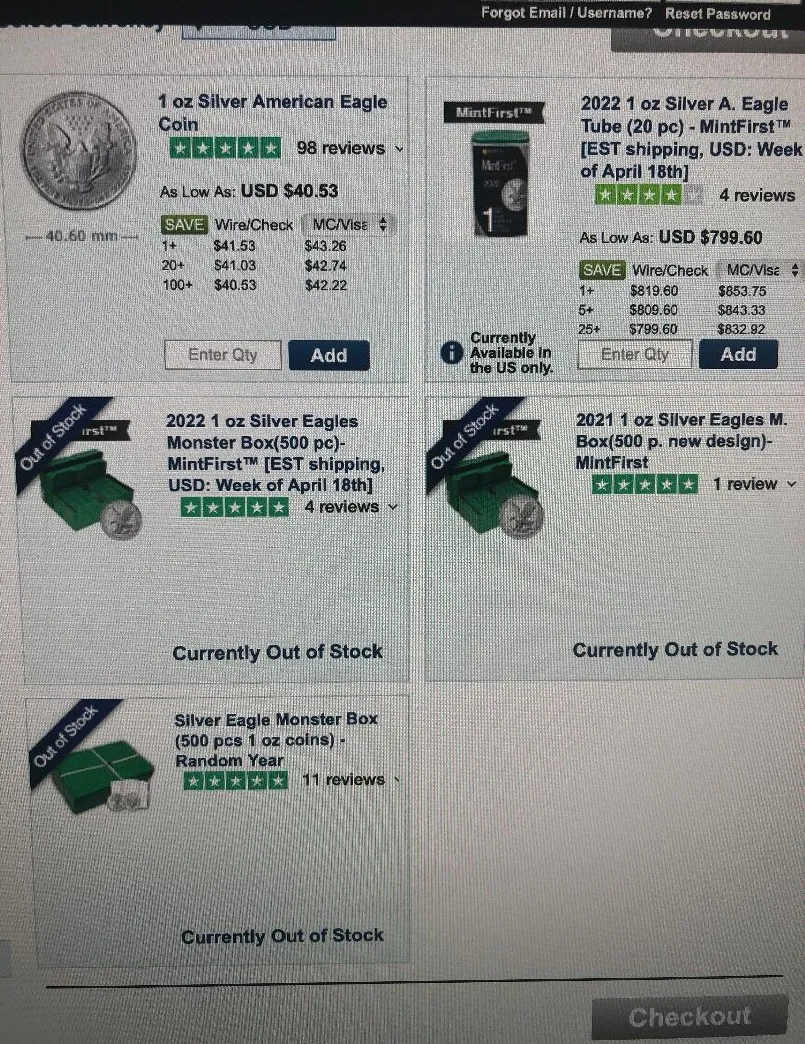
For decades now, the futures market has dictated the spot price of metals. Those days are coming to an end. Just this past week, one of the country’s biggest bullion dealers (Apmex) started waving yet another Red flag by putting out a standing offer of Spot + $10 on all the Silver Eagles you want to sell them. That’s $30 an ounce for what the futures market is telling you should cost $20. A 50% premium!! Ask yourself, which price of silver is more accurate: the price the futures market tells you it is, or the price offered by the guy with an open checkbook?»
«Bagholder’s years of experience in the silver market lead him to believe the 50% premium on offer will not be anywhere near sufficient to bring enough supply into the market to meet current demand. TPTB are just chumming the waters with that offer. Bag would suggest the 50% premium to spot currently on offer (which was only 20% in March – link below) will soon be 100%, then 200%, and so on…. They could offer $200 an ounce, and it still won’t balance supply & demand.»
«who cares about the nickel market anyway? It’s small potatoes. Yes, that is true, except for the fact a precedent has now been set. Thanks to the default in the nickel market, there is a tried and true mechanism in place for the exchange to deal with the imminent default in the Gold & Silver Markets. Once again, it will be JP (and some other banks) who are on the short side of the trade, this time to the tune of 100’s of billions. They will need some bailing out from the exchange and likely the government as well. Bagholder is sure they will get it, and you paper longs, if you’re lucky…lol… just might get your dollar back.
With all this in mind, here is your nickel’s worth of free advice: If you hold paper gold or paper silver via the LME, CME, SLV, or GLD, these entities have shown you with the nickel market default, who they really are. You could not ask for a clearer illustration. Take heed. You have been warned – get out NOW, and turn it into physical metal. Otherwise, you better lube up, cause there is an industrial size reaming headed your way.»
Y puedo seguir enlazando y enlazando sobre las bondades de la plata física…peeeero (siempre hay un pero) voy a un comentario del siguiente y último enlace donde se pone en duda el punto de vista mayoritario de estepost scriptum
I read the post you published back in 2013 regarding the silver market then…and where we are today. What is the difference in your sentiment from 2013 to today and why do you think this silver shortage is real.
I contacted an online Silver company I have purchased from in the past and asked if I could buy a few dozen 1000oz Silver bars…the rep said sure. I asked for delivery to a depository…he said no problem. I asked if i could do the transfer today…he said I could, provided he wired funds were in their account before the end of the day.
I see the same thing happening in consumer goods. The news says there are shortages all over the country, yet when I go to Costco, BJ’s, Giant and some local produce stores, they are loaded to the gills with inventory and are constantly replenishing.
So, are these shortages imagined, hyped up, created or real? I know unicorns aren’t real, yet its difficult to discern what is real in the real world…is this by design, meant to confuse and obfuscate?
Disinformation is destructive to those looking to make decisions…and verifying is always a must, when the information defies, what one sees with his very own eyes.
The difference between today & 2013 is the silver shortage is even greater, as evidenced by the continually rising premiums on both sides of the trade. In 2013 the premiums on the ask side had just started to rise, while there was very little increase on the bid side premiums. This tells me they wanted to scare away potential buyers, but still had enough supply coming in they didn’t need to increase their bids. Silver eagles in the 90’s with silver at $5 were bid spot, ask 50 cents over (10% premium to spot)….by 2013 with silver at $22, bid was still spot ask was $5 over (20% premium to spot). Today with silver at $22, bid is spot + $3.50, ask is $8 over (35% premium). Couple important points, 1. the rising bid price, which was not present (or just starting) in 2013 says they are running out of supply. 2. the continually rising ask price, means they do not want people getting long. 3. It is not just eagles, 10 oz bars, 100 oz bars, rounds, 90% – they are all bid strong, and in short supply, guaranteed. ….. As for your rep with the commercial 1000 oz bars, that is the one kind of silver still readily available, as the public does not like them (they are like 70 pounds – i use one as a doorstop) – ask him if he has a 100 monster boxes for sale AND when can you expect delivery, if he does and delivery is immediate, I want his name…… As for shortages in grocery stores, I see some here in Arizona, but I suspect most of it is BS designed to explain away rising prices.
I did speak to the rep about 100oz bars, which make sense, if redeeming them in smaller quantities is something one decides to do in the future. The price of rounds, either Maple leaf or Eagles is obnoxious…I won’t buy based on principle and principal. I didn’t go any further asking about monster boxes, just because the price point was not reasonable.
100oz bars are more to my liking, although moving a lot of them isn’t.
Are you a buyer in this market? Or do we still have some blood letting to go in the overall markets?
I am going long on Silver, just not in the retail packaged rounds, which command the higher premium. If those who know something big is coming around the corner in the silver market, not premium is going to deter them from buying. How many times in the past have we heard «this time is different?» Too many…and every time its the same regurgitated crap, year in year out.
I find it interesting how much time has passed between the first article you wrote on Silver, to this last one. Question is…how many more years are we going to wait until the charade in the PM markets is dismantled? The curtains have been pulled back exposing the shenanigans, yet nothing has changed. What ever happened to the Basel III implementation? Wasn’t it supposed to due away with the unallocated position limits which were used to suppress the prices of gold and silver?
This time is no different…at least, not from my perspective. The fact 1000oz bars are still available in volume, tells me the big players aren’t buying. If they were, the supply would be swallowed up by those who are already cornering the market. I can only imagine what 800,000,000 oz of Silver looks like.
Como veis, la evolución en los precios en plata física es lenta pero segura…sobrespot creciente pero el cuándo del cierre del mercado papel es complicao…Habrá que seguir esperando…o no. Que cada cual saque sus propias conclusiones y haga lo que estime oportuno; yo lo tengo claro.
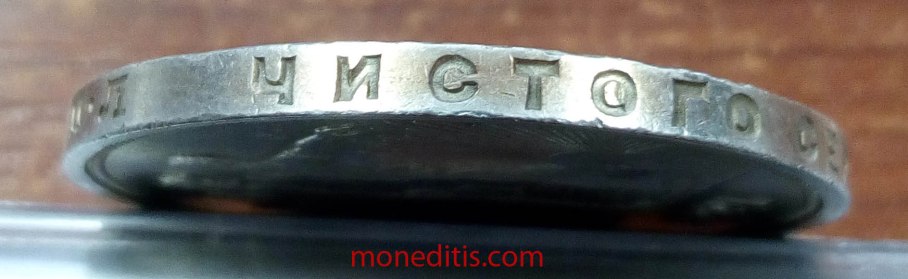
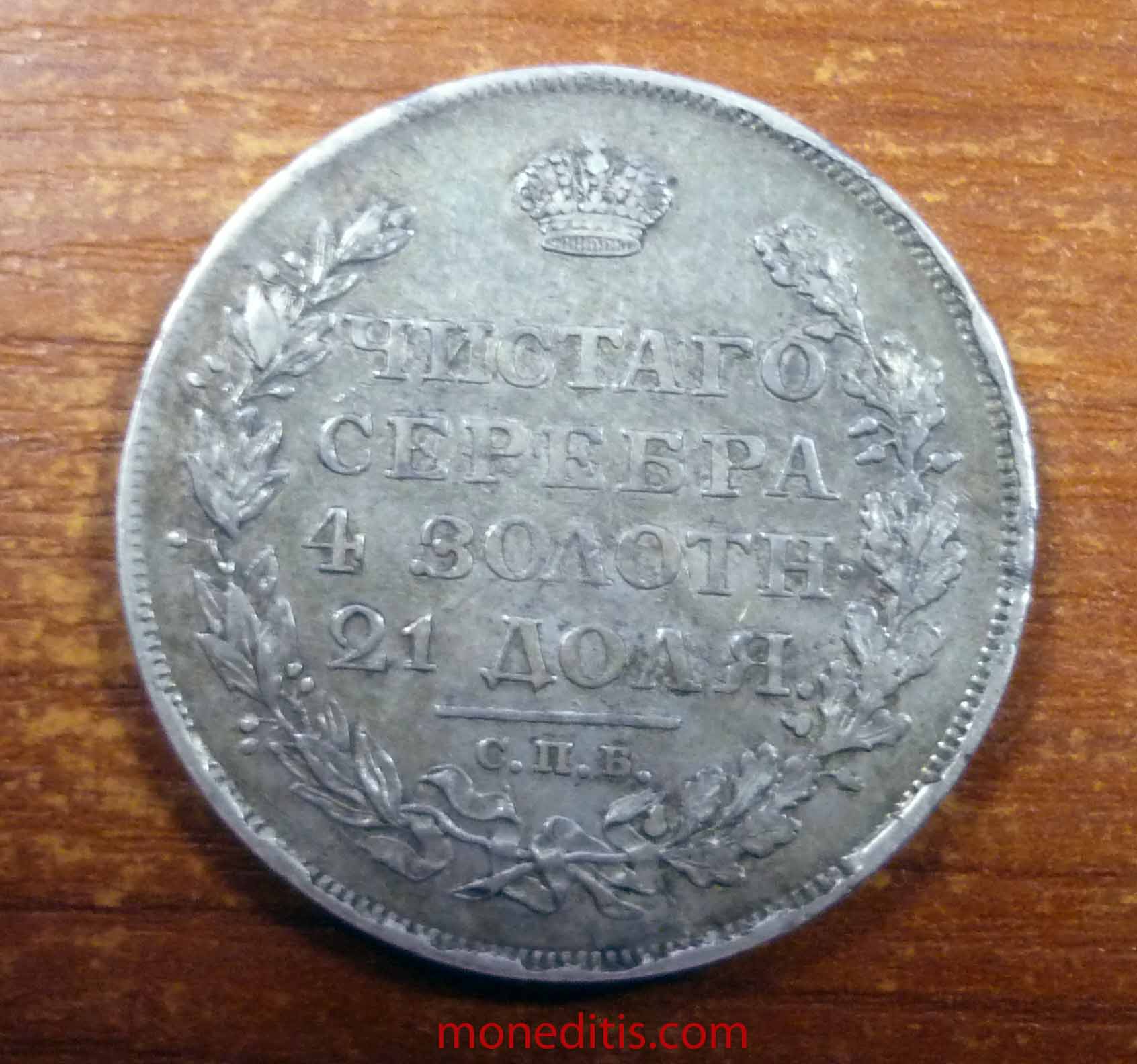
Reverso: ЧИСТОГО СЕРЕБРА 4 ЗОЛОТН.» (4 золотника) 21 ДОЛЯ. Санкт-Петербургского монетного двора «С.П.Б.», выше него прямая черта.
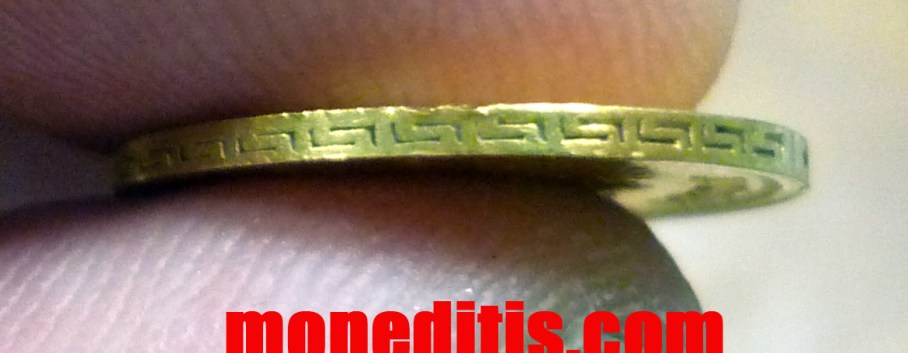
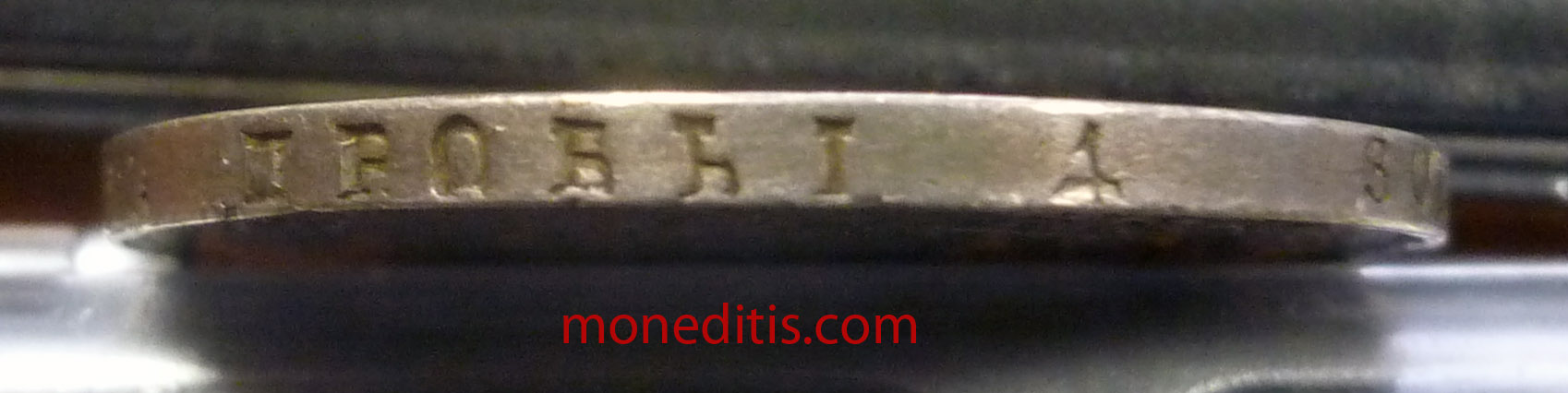
canto inscrito
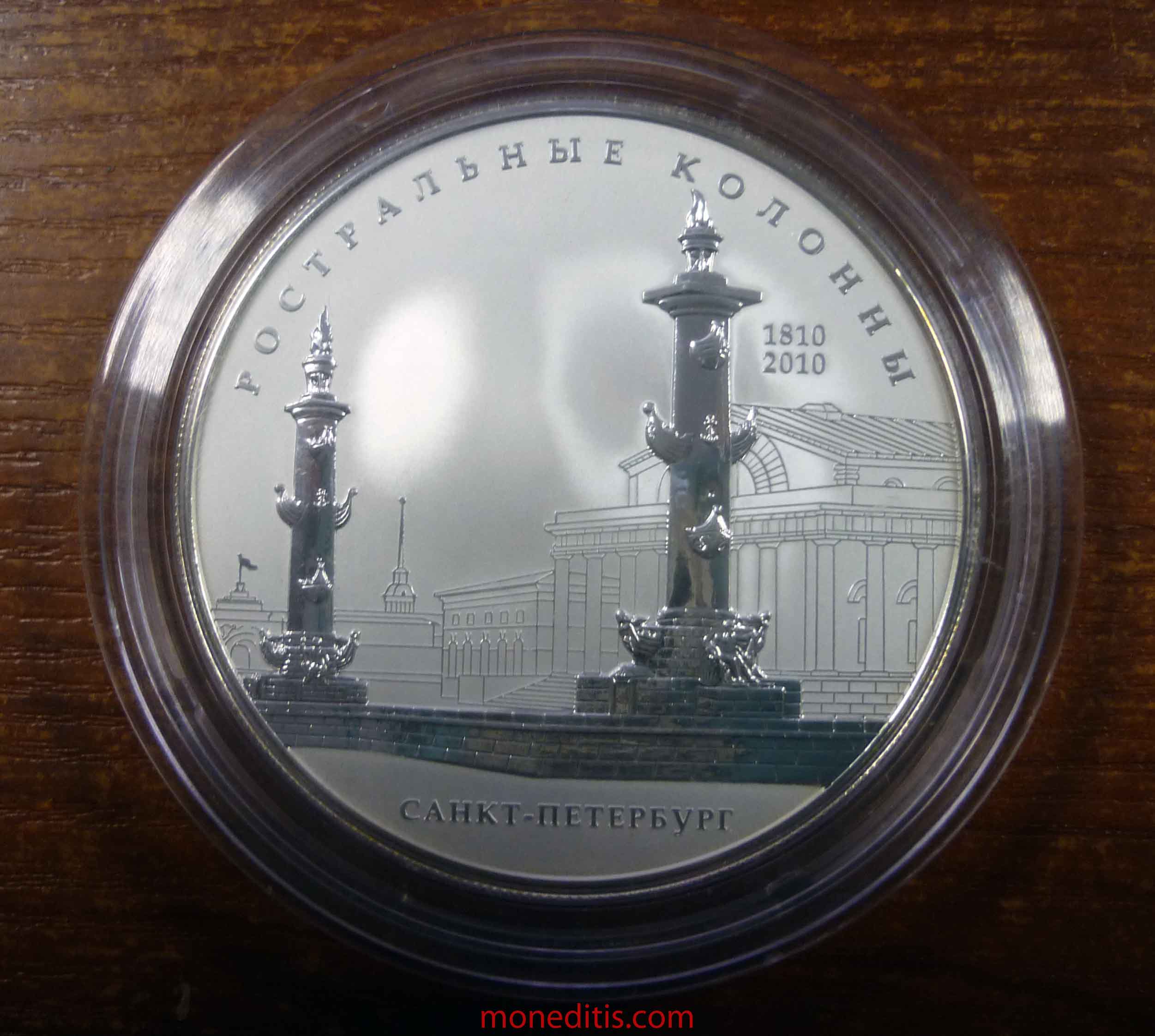
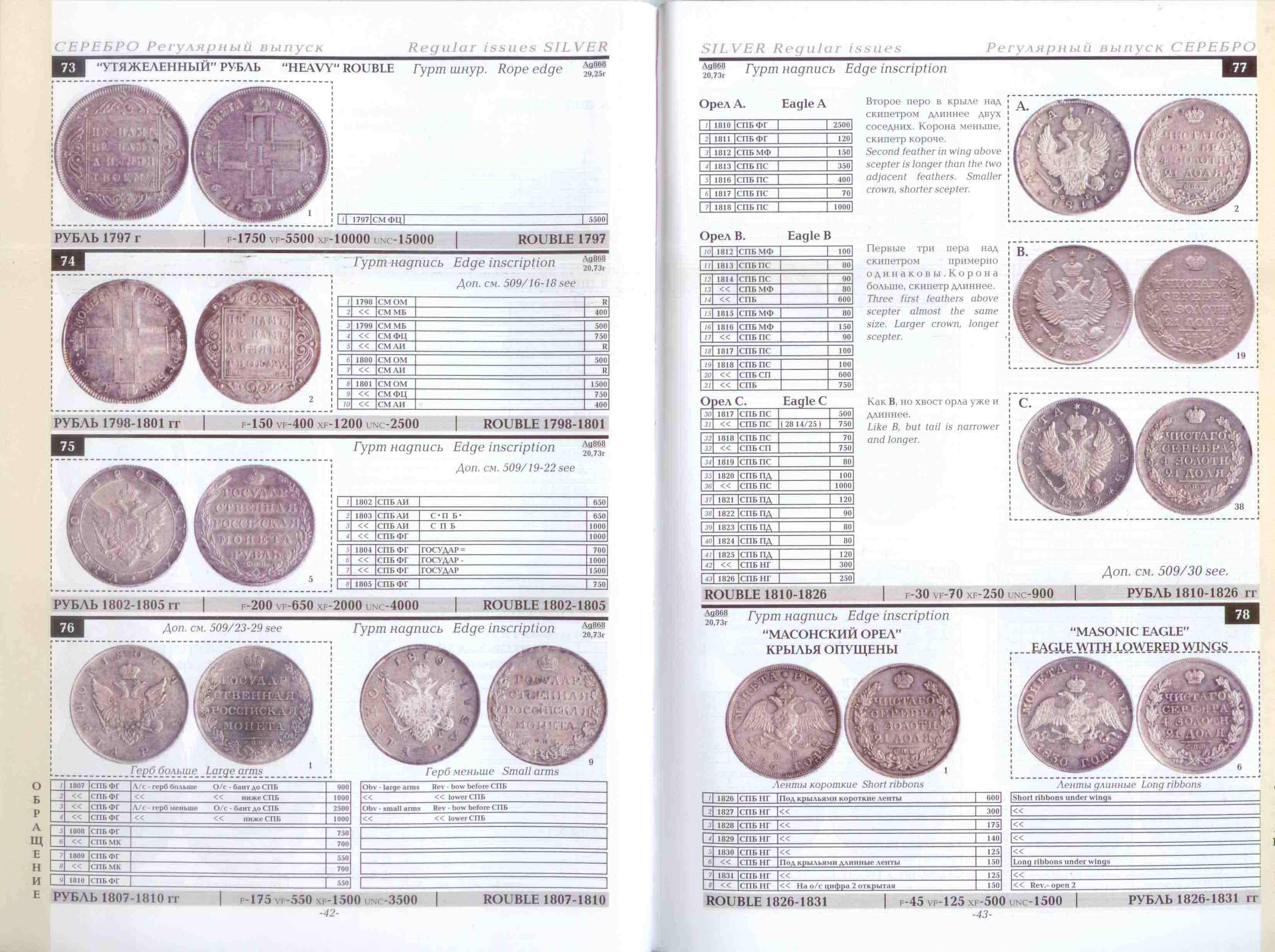
En 1807 se termina la construcción de una nueva Casa de la Moneda en la Fortaleza de Pedro y Pablo (San Petersburgo), iniciada por Pablo I en 1800, con la tecnología puntera de la época para acuñar moneda, importada de Inglaterra. El 20 de junio de 1810 se publica una disposición sobre el sistema monetario, estableciéndose el rublo como moneda de referencia en la Rusia Imperial.
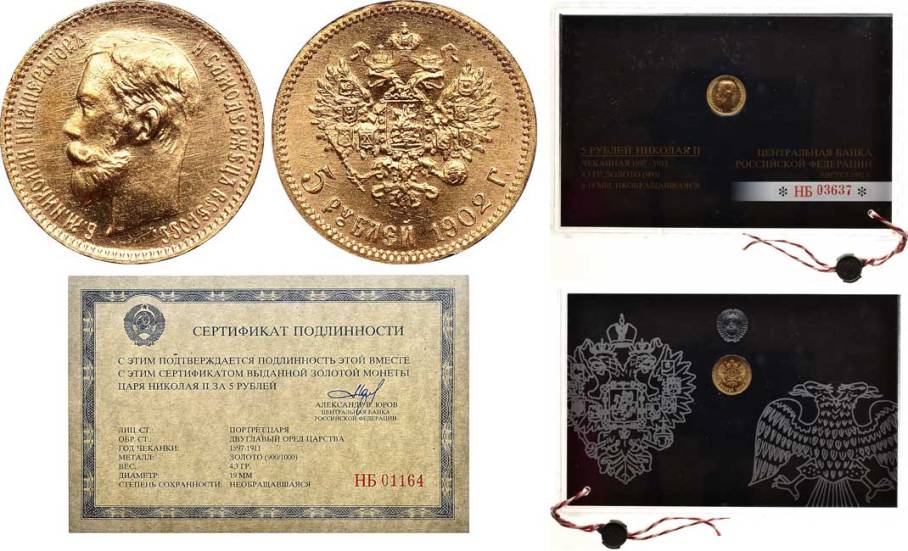
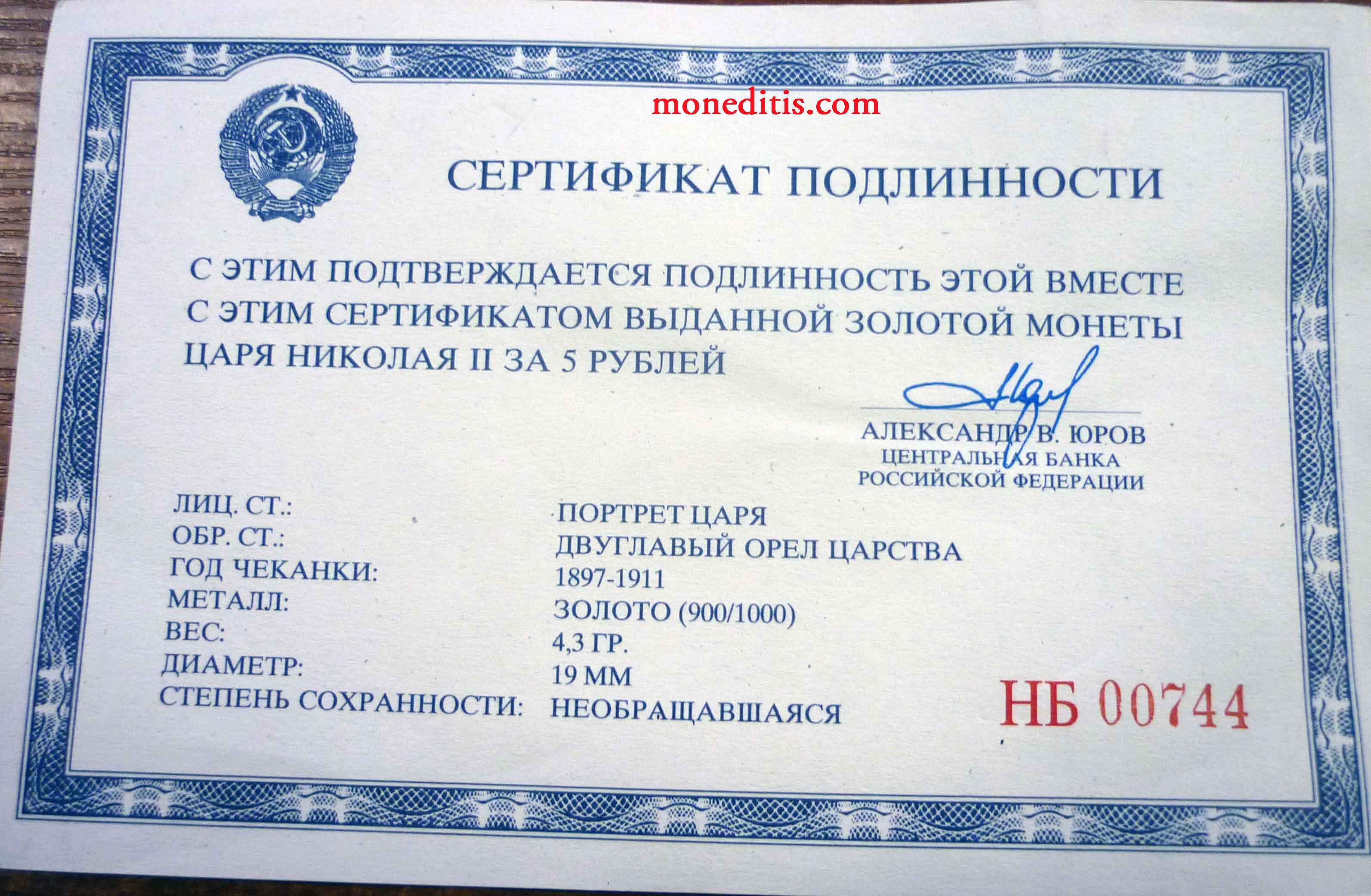
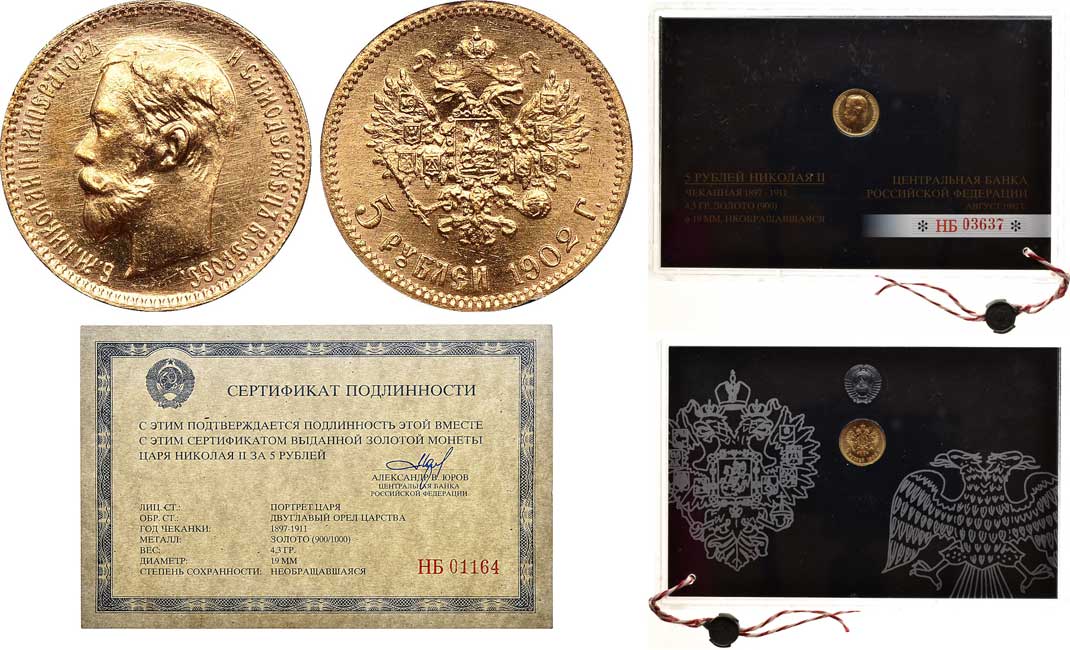
Curiosos 5 rublos 1904 de Nicolás II, no por la moneda sino por el certificado del Banco de Rusia con el símbolo de la URSS, más en el sello de plomo y en el reverso de la caja
5 рублей. В Банковской упаковке с сертификатом 1904
Reverso de la caja en su parte inferior…CCCP
En el siguiente enlace, opiniones al respecto en un foro rusky
Ni que decir tiene que el precio por la moneda con el envoltorio/caja es más alto que si no lo tuviera…aunque…parece sin circular…
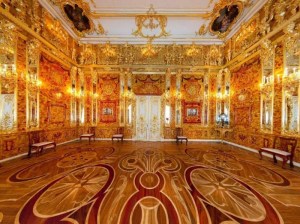
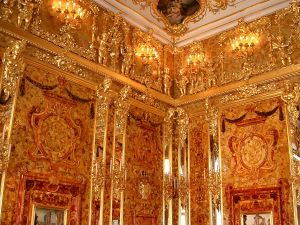
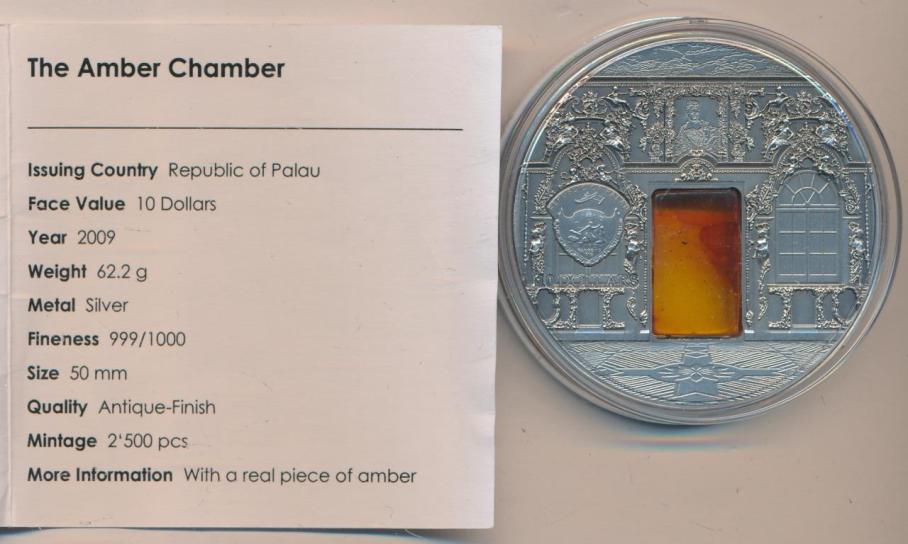
Invierno en palacio
ps Serie bimetálica de 10 rublos (1991), 50 rublos (1992) y 100 rublos (1992), todos de la ceca de Leningrado (actual San Petersburgo)
Válidos hasta 1998. Redenominación del rublo antiguo (RUR) al nuevo (RUB) 1000:1
La caja superior con los 5 rublos de oro 1904 está «fabricada» en los primeros años 90. Nótese el descontrol y la demanda de oro como seguro ante el aumento de ceros en los billetes y monedas de la época.














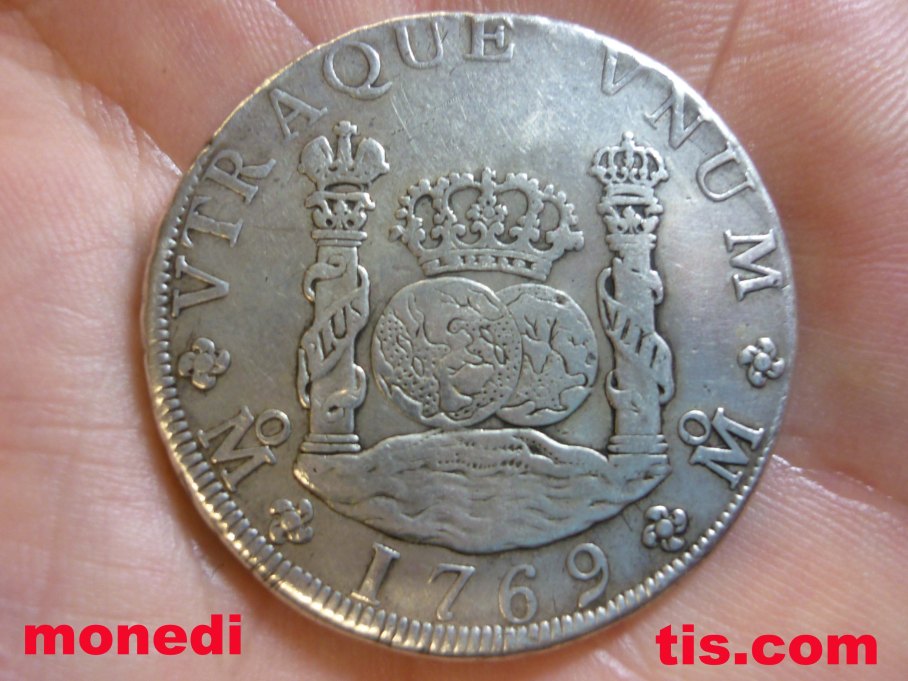
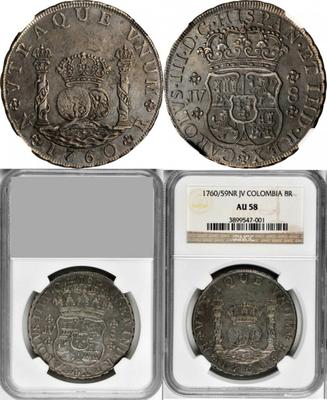


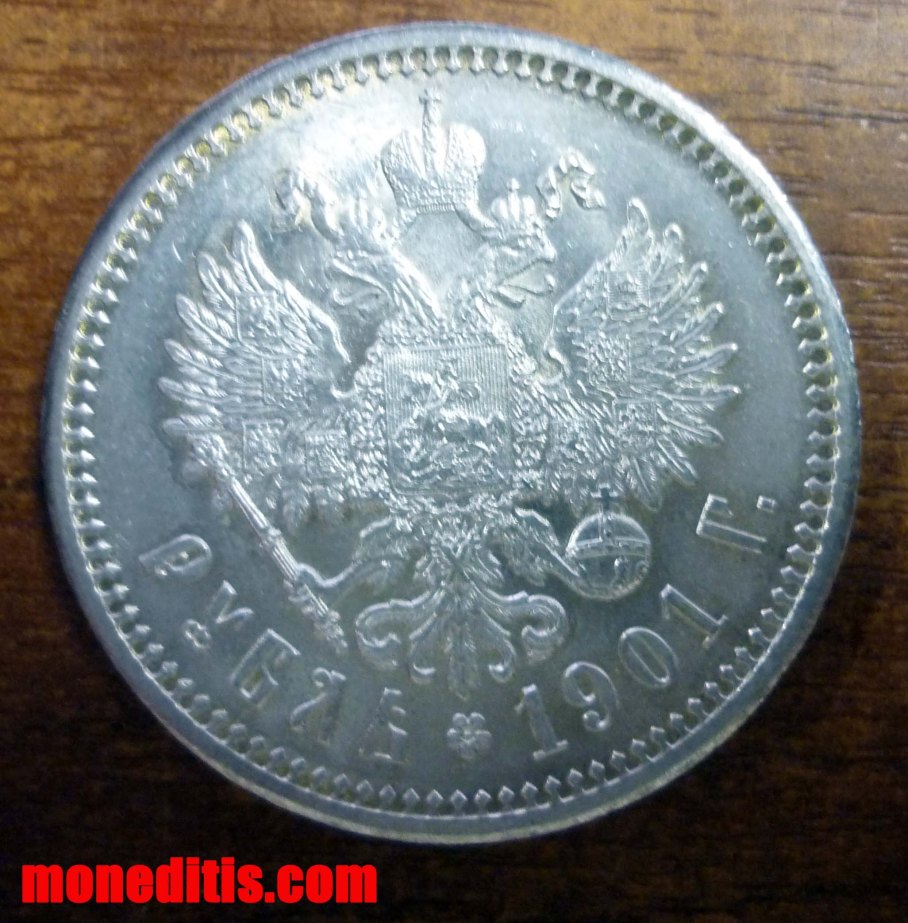
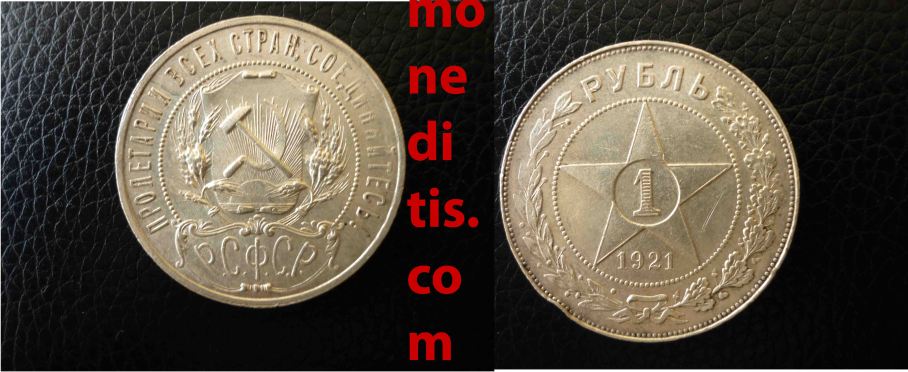
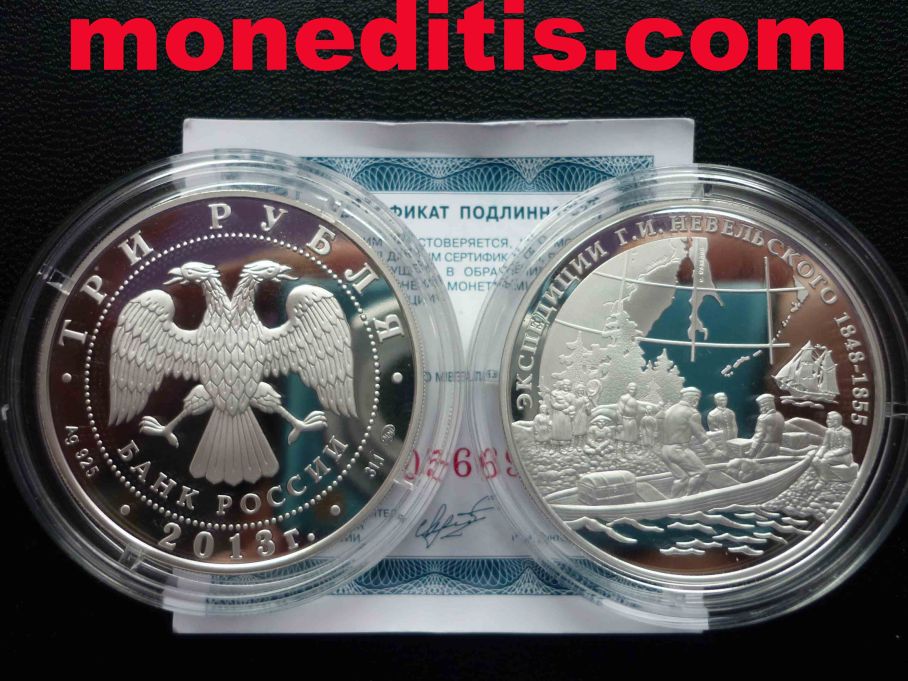

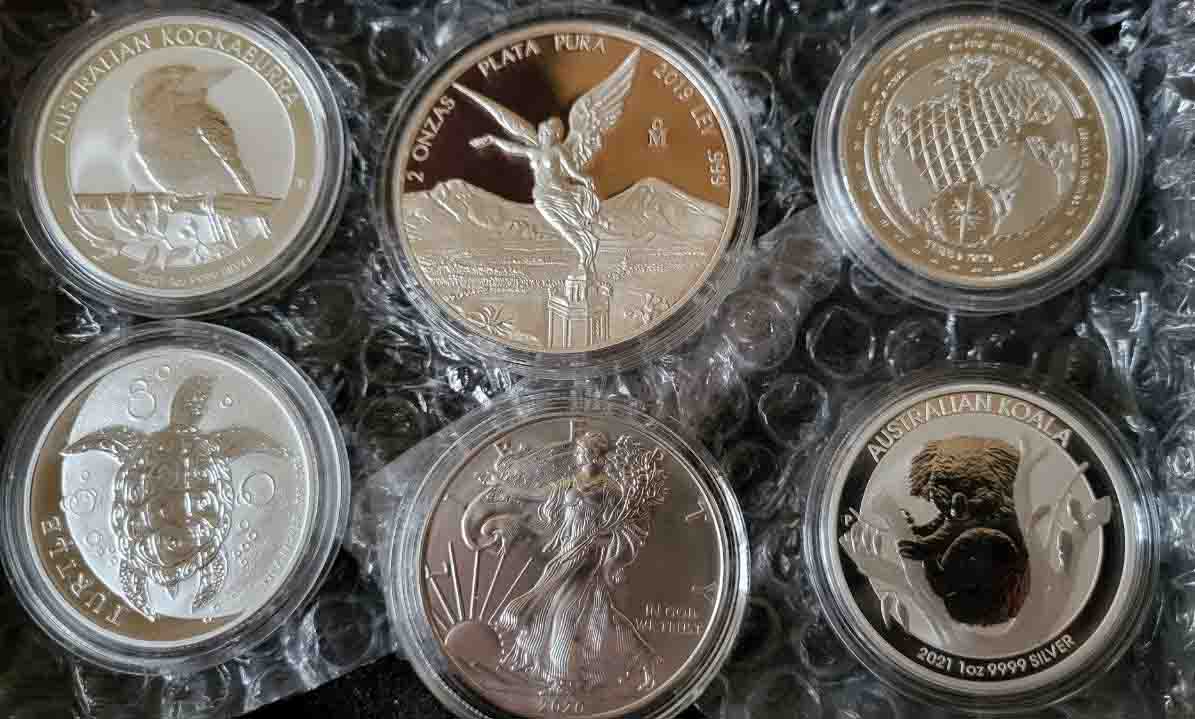
























 moneditis real deaocho
Thanks…
I did speak to the rep about 100oz bars, which make sense, if redeeming them in smaller quantities is something one decides to do in the future. The price of rounds, either Maple leaf or Eagles is obnoxious…I won’t buy based on principle and principal. I didn’t go any further asking about monster boxes, just because the price point was not reasonable.
100oz bars are more to my liking, although moving a lot of them isn’t.
Are you a buyer in this market? Or do we still have some blood letting to go in the overall markets?
Notice how the high prices relative to spot discourage you from getting long… Always a buyer, for the right price….
I am going long on Silver, just not in the retail packaged rounds, which command the higher premium. If those who know something big is coming around the corner in the silver market, not premium is going to deter them from buying. How many times in the past have we heard «this time is different?» Too many…and every time its the same regurgitated crap, year in year out.
I find it interesting how much time has passed between the first article you wrote on Silver, to this last one. Question is…how many more years are we going to wait until the charade in the PM markets is dismantled? The curtains have been pulled back exposing the shenanigans, yet nothing has changed. What ever happened to the Basel III implementation? Wasn’t it supposed to due away with the unallocated position limits which were used to suppress the prices of gold and silver?
This time is no different…at least, not from my perspective. The fact 1000oz bars are still available in volume, tells me the big players aren’t buying. If they were, the supply would be swallowed up by those who are already cornering the market. I can only imagine what 800,000,000 oz of Silver looks like.