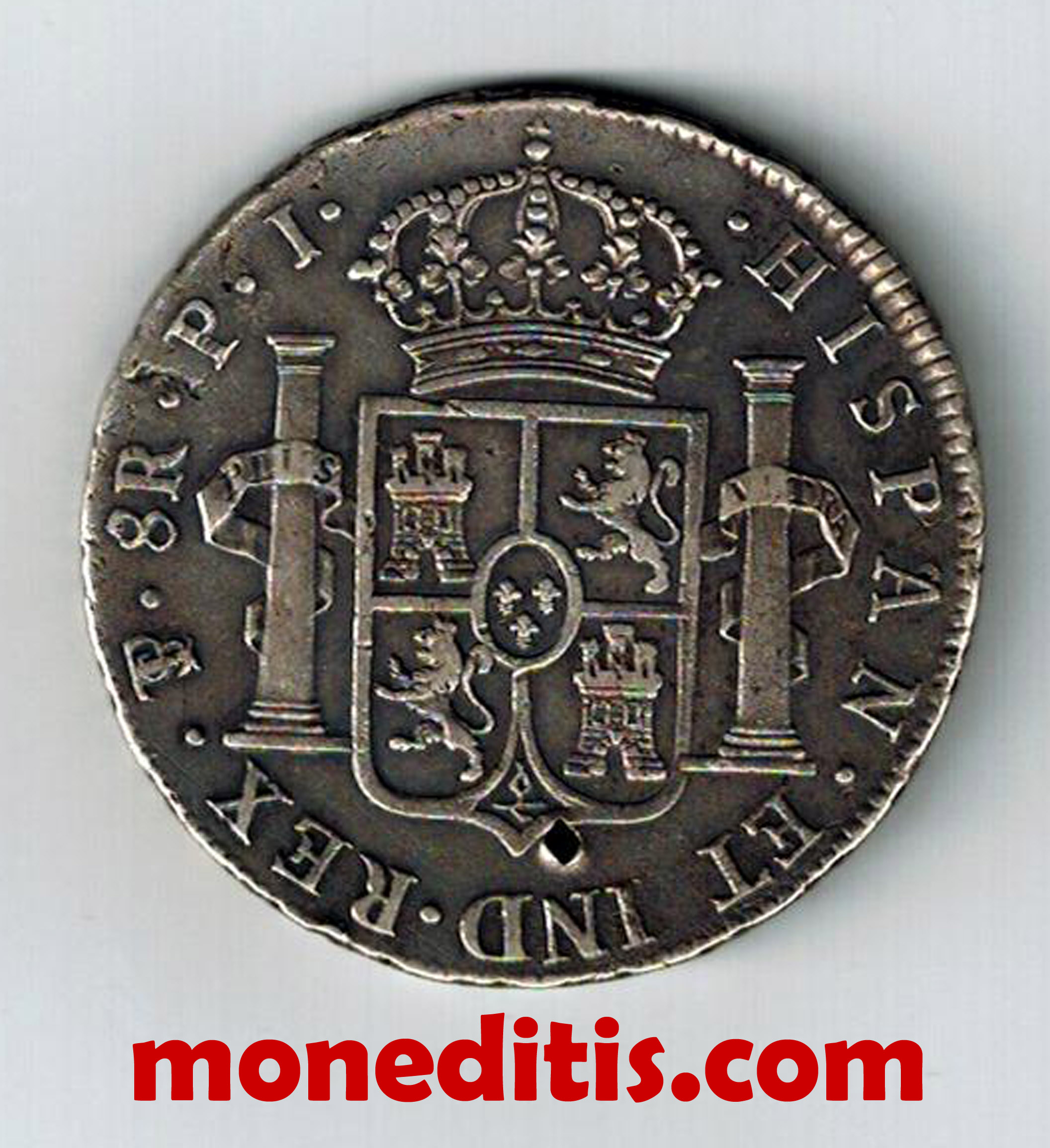
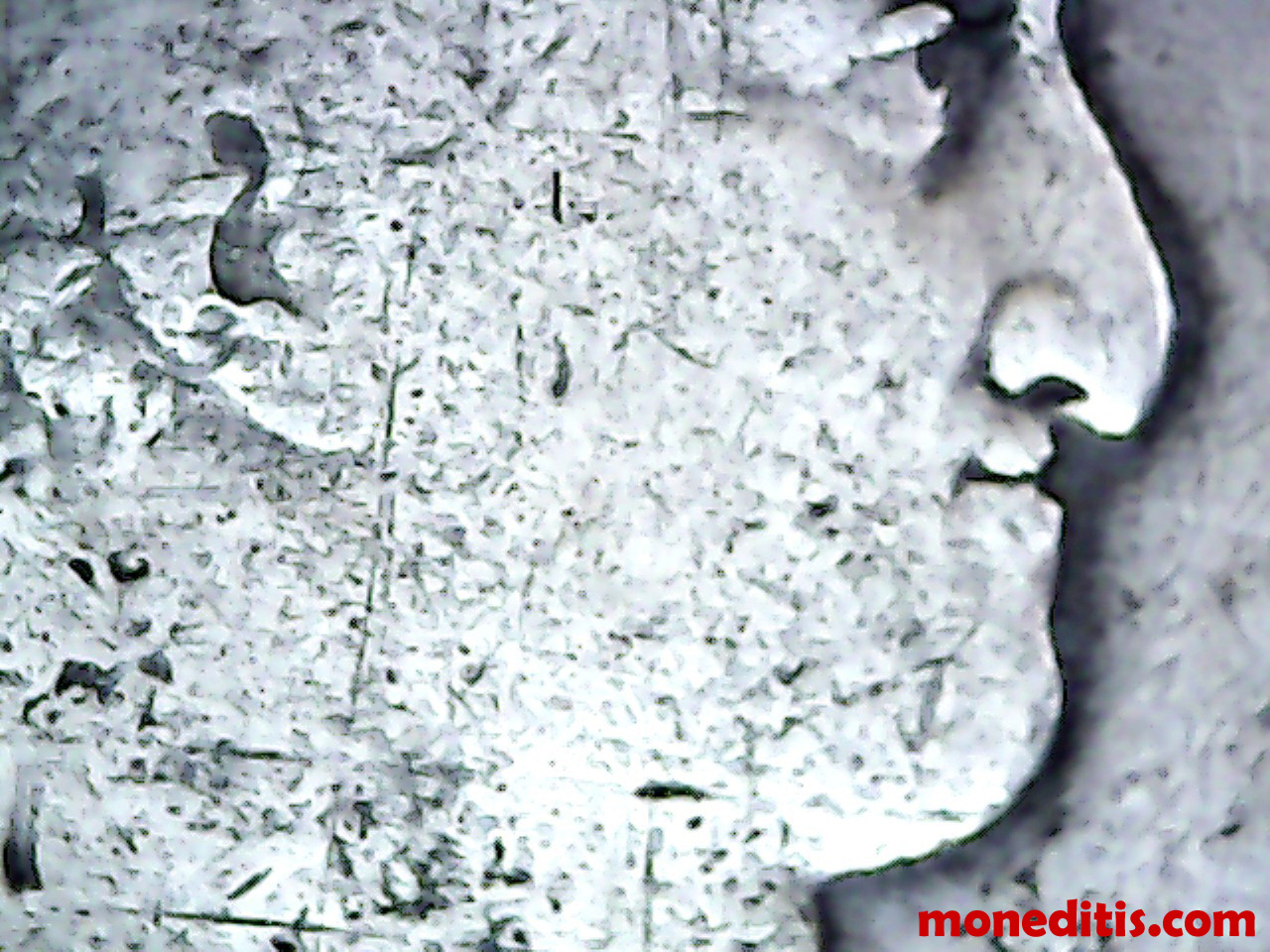
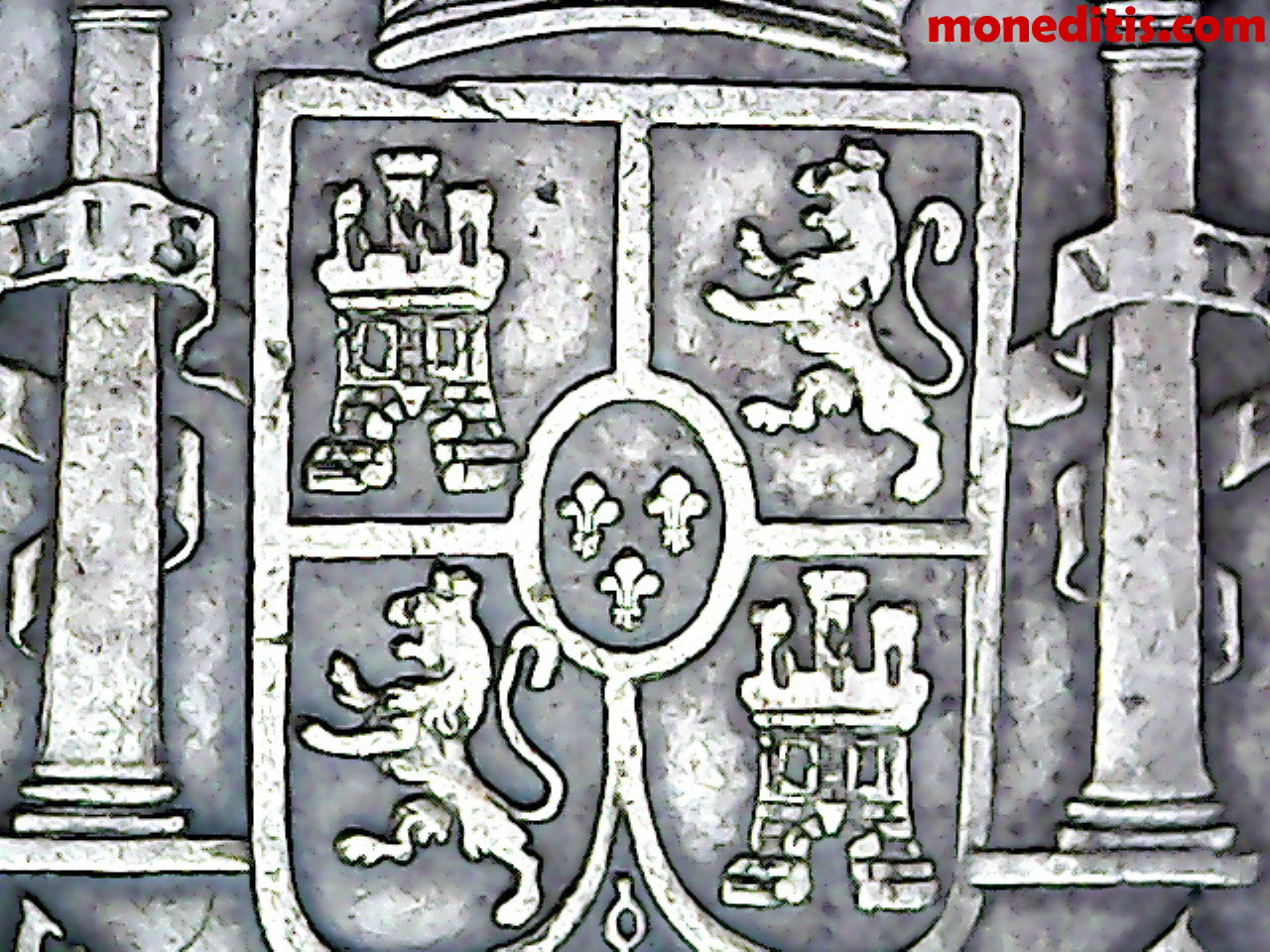
8 reales de busto de subasta FALSOS II

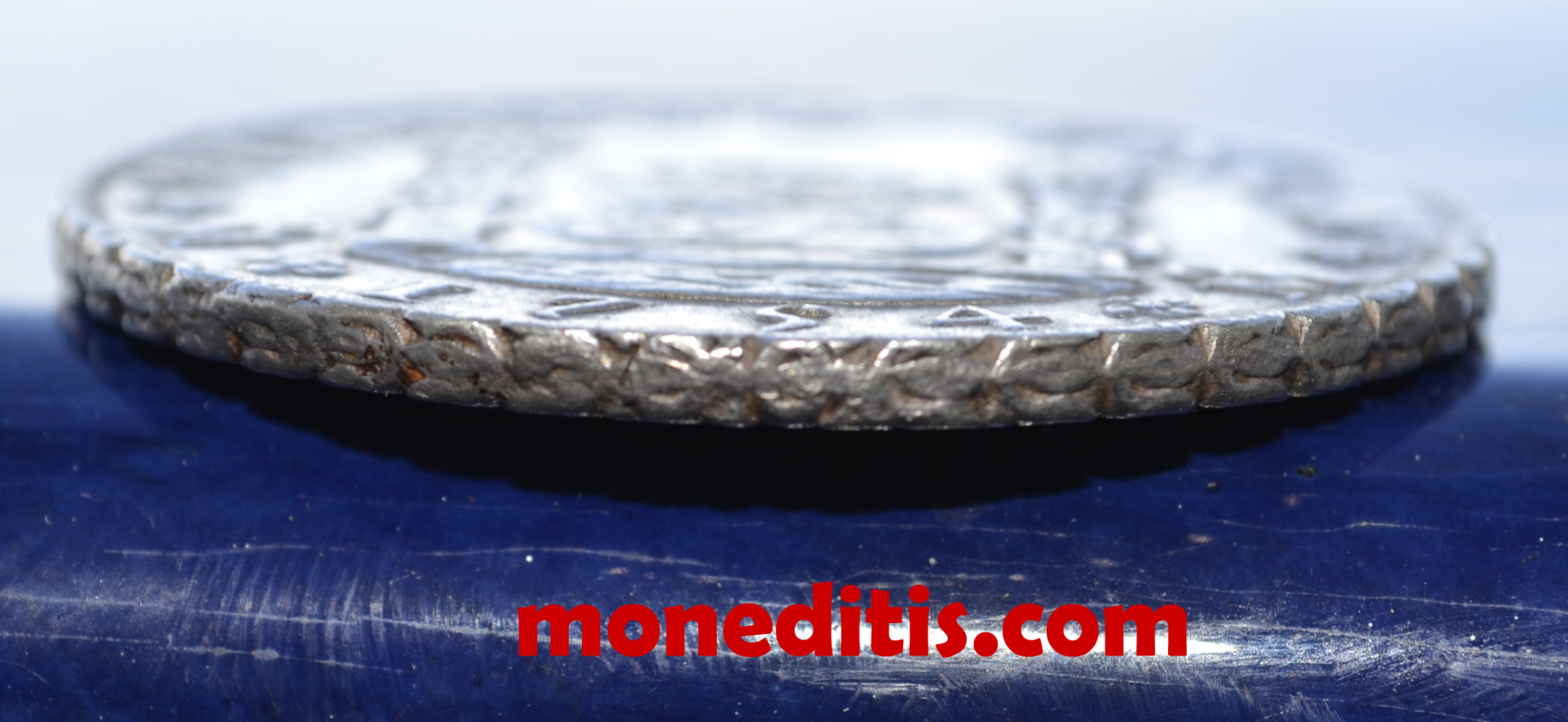
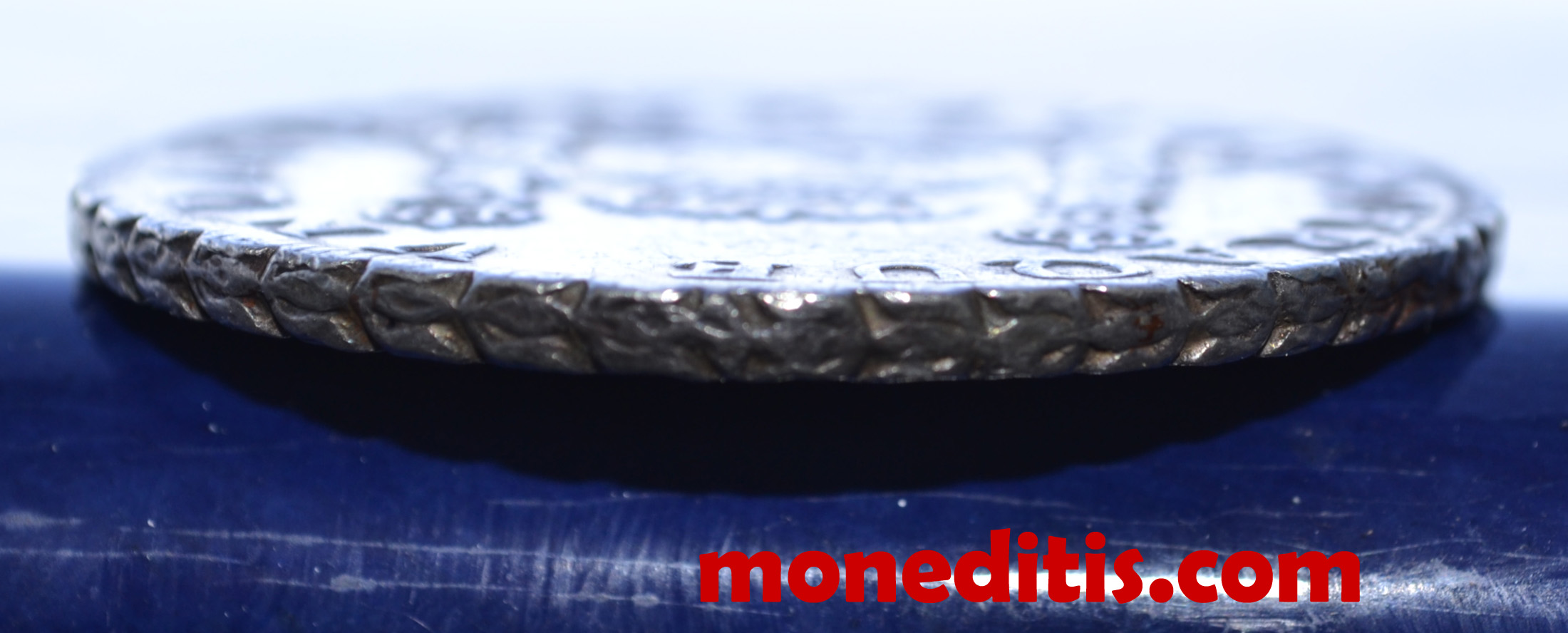
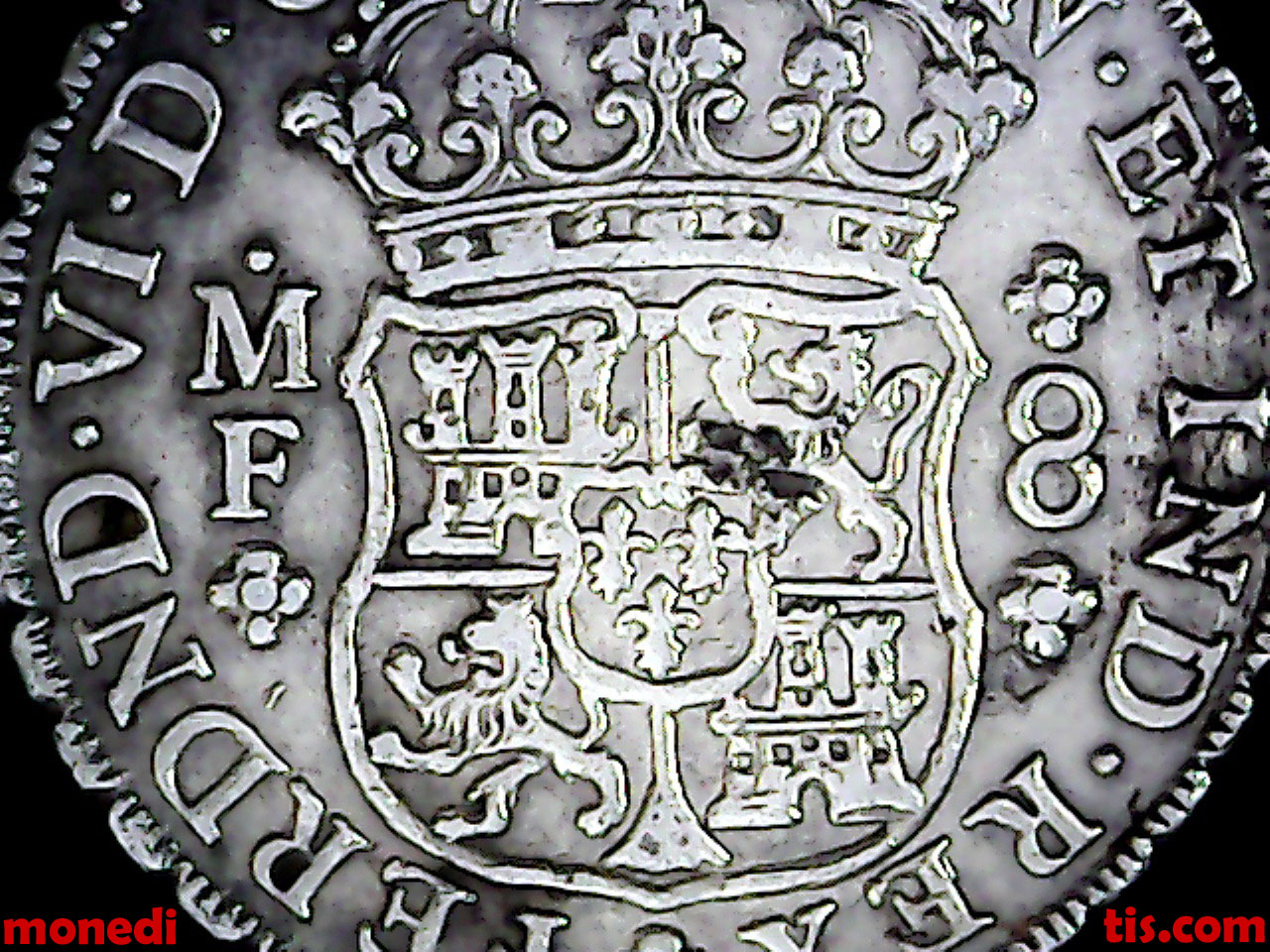
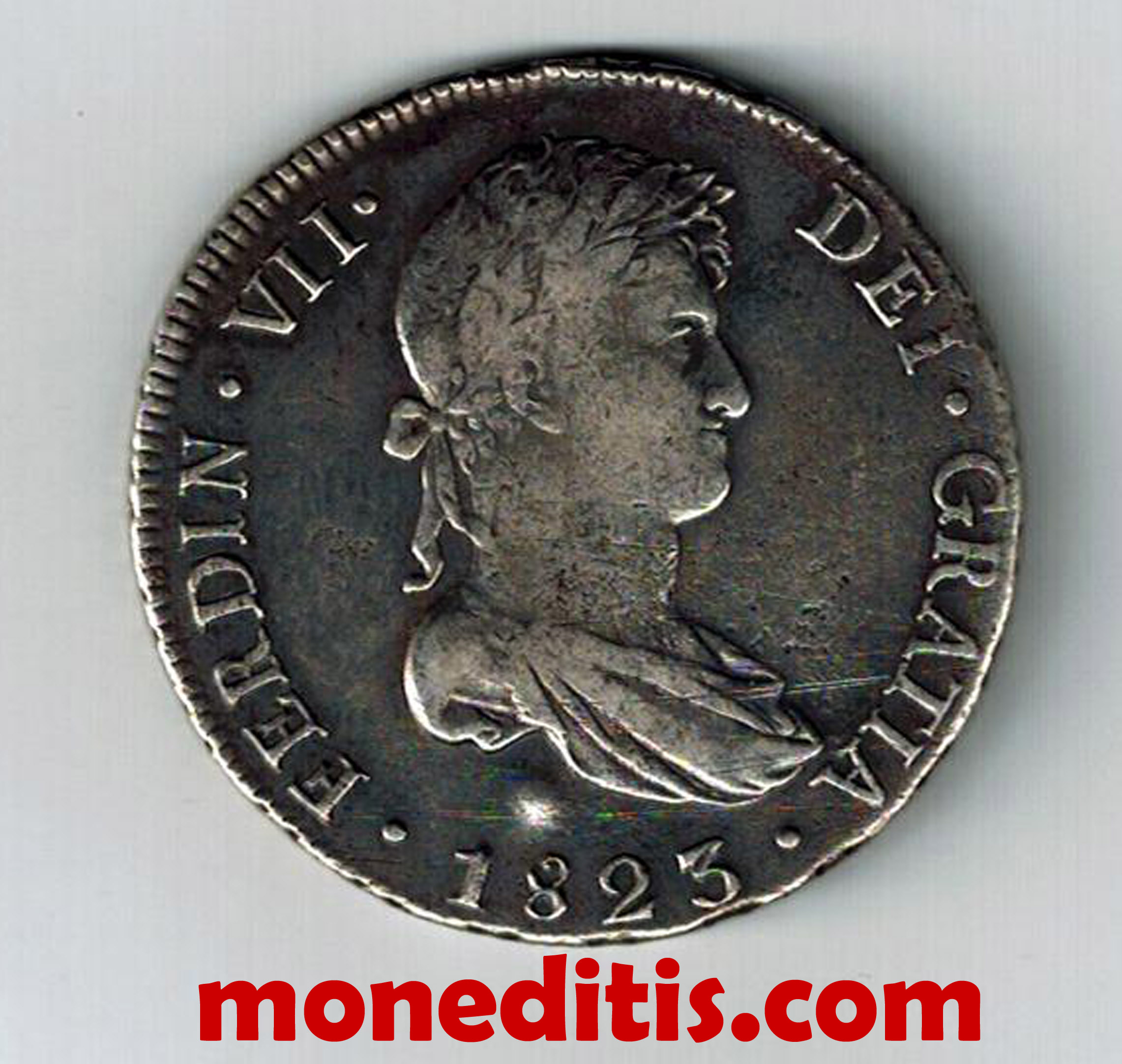
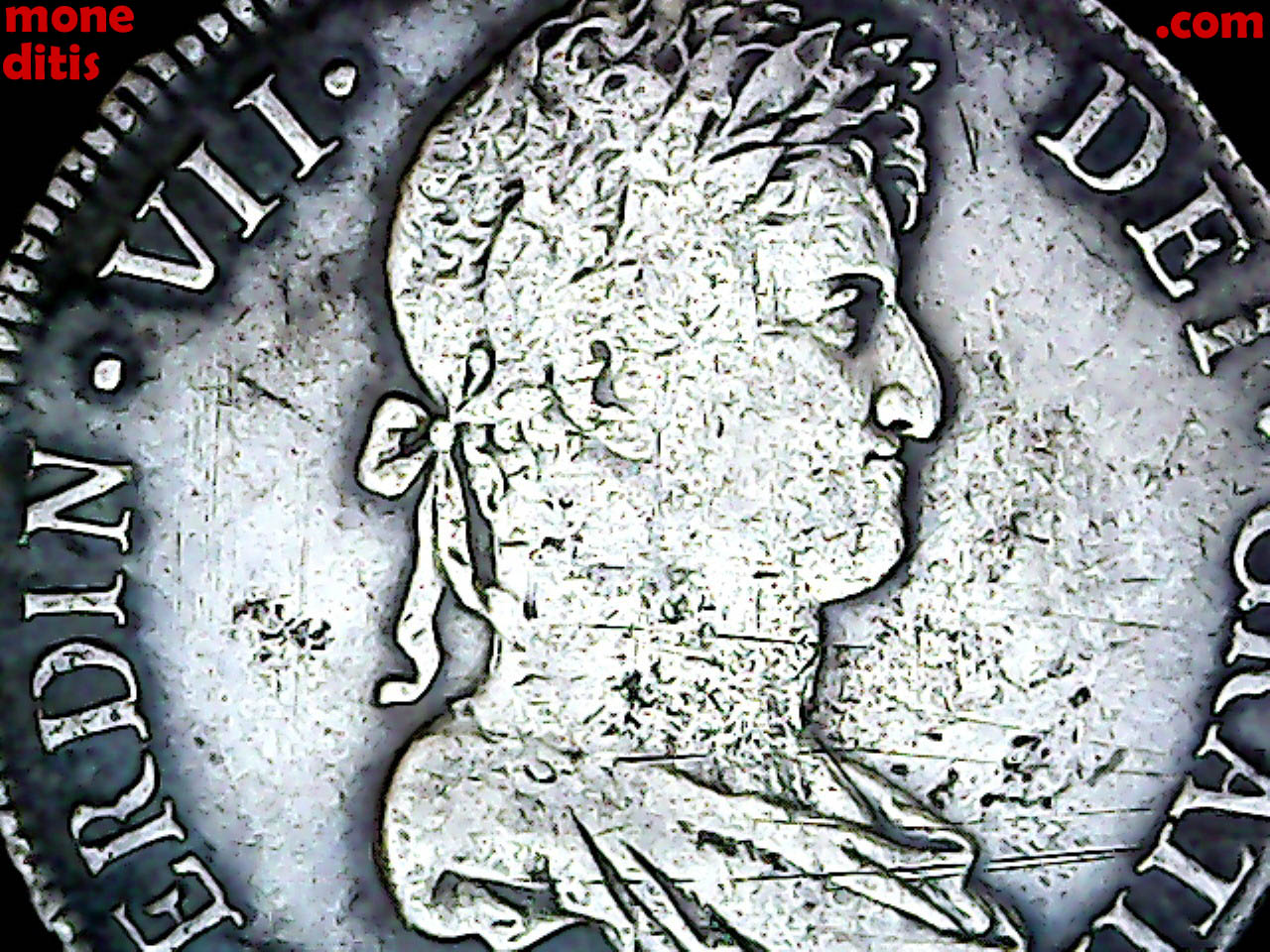
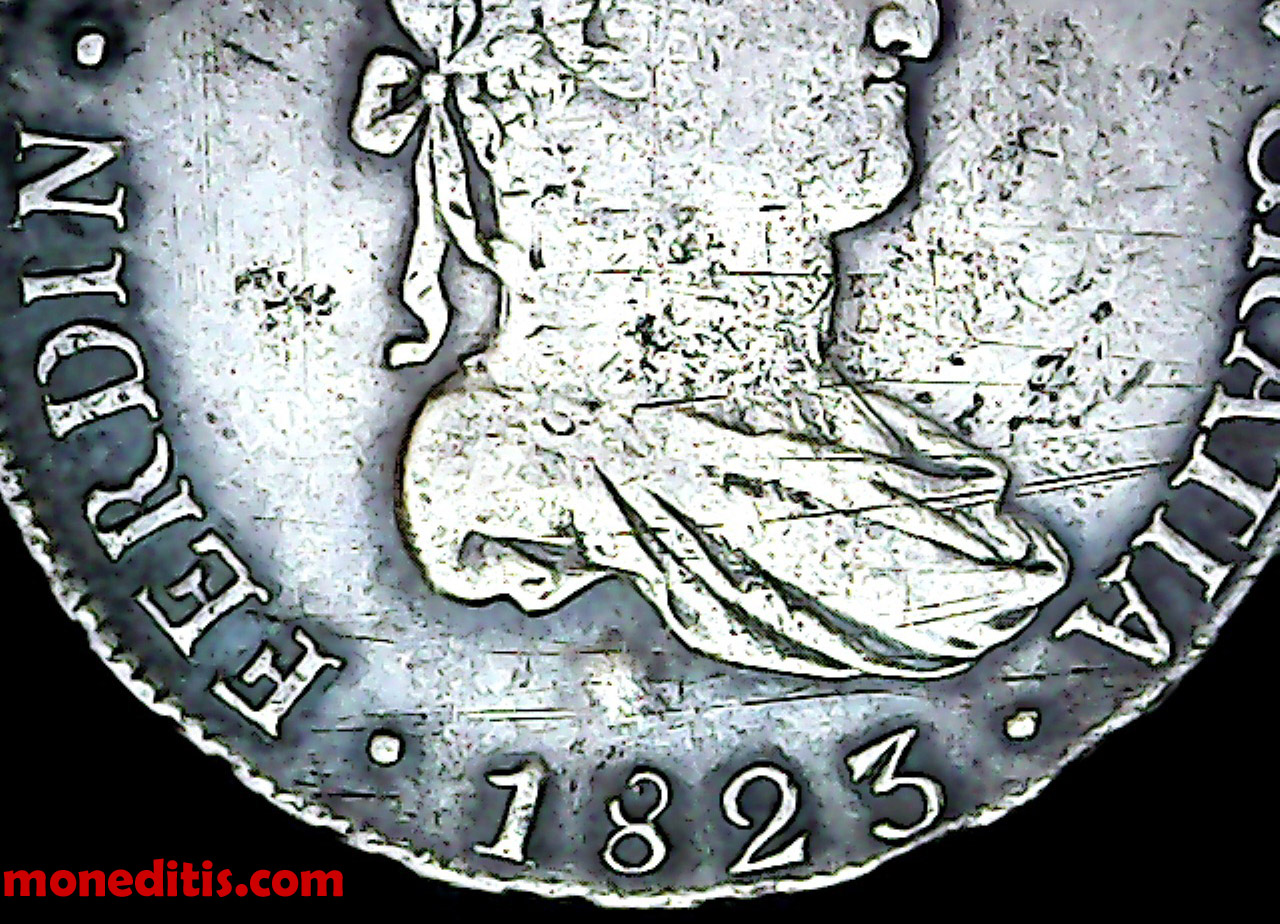
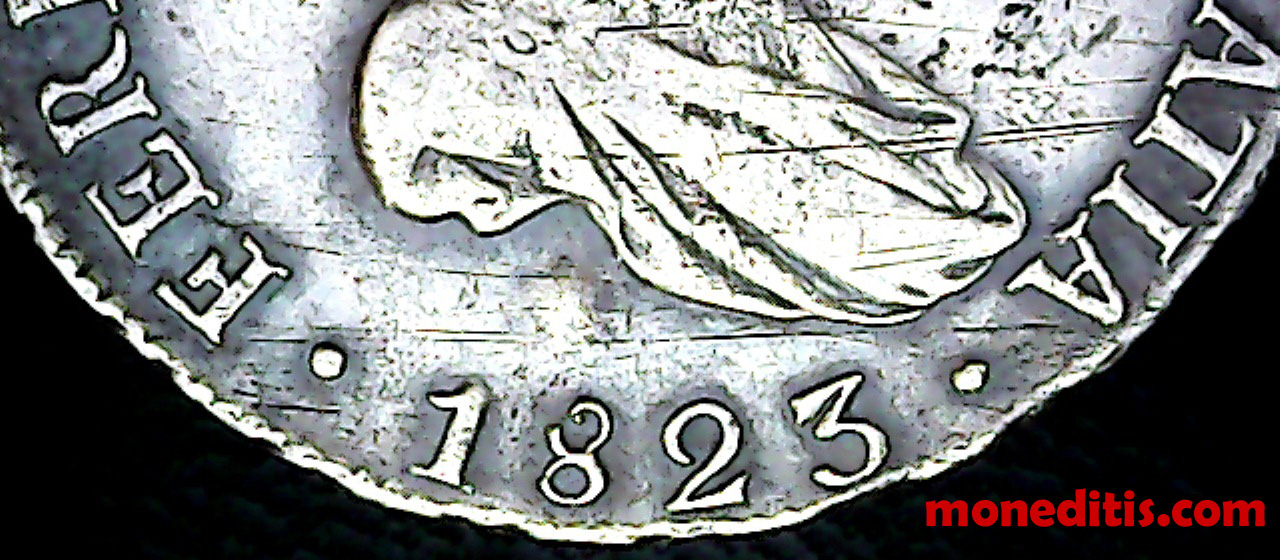
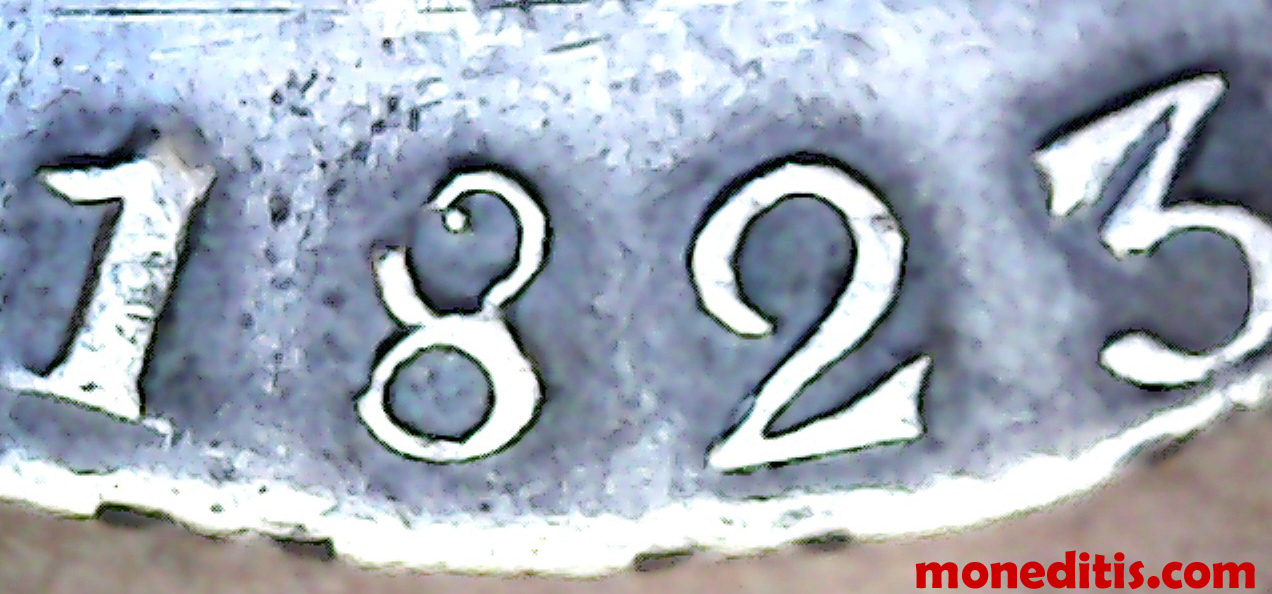
8 reales con resellos chinos Potosí 1808

a

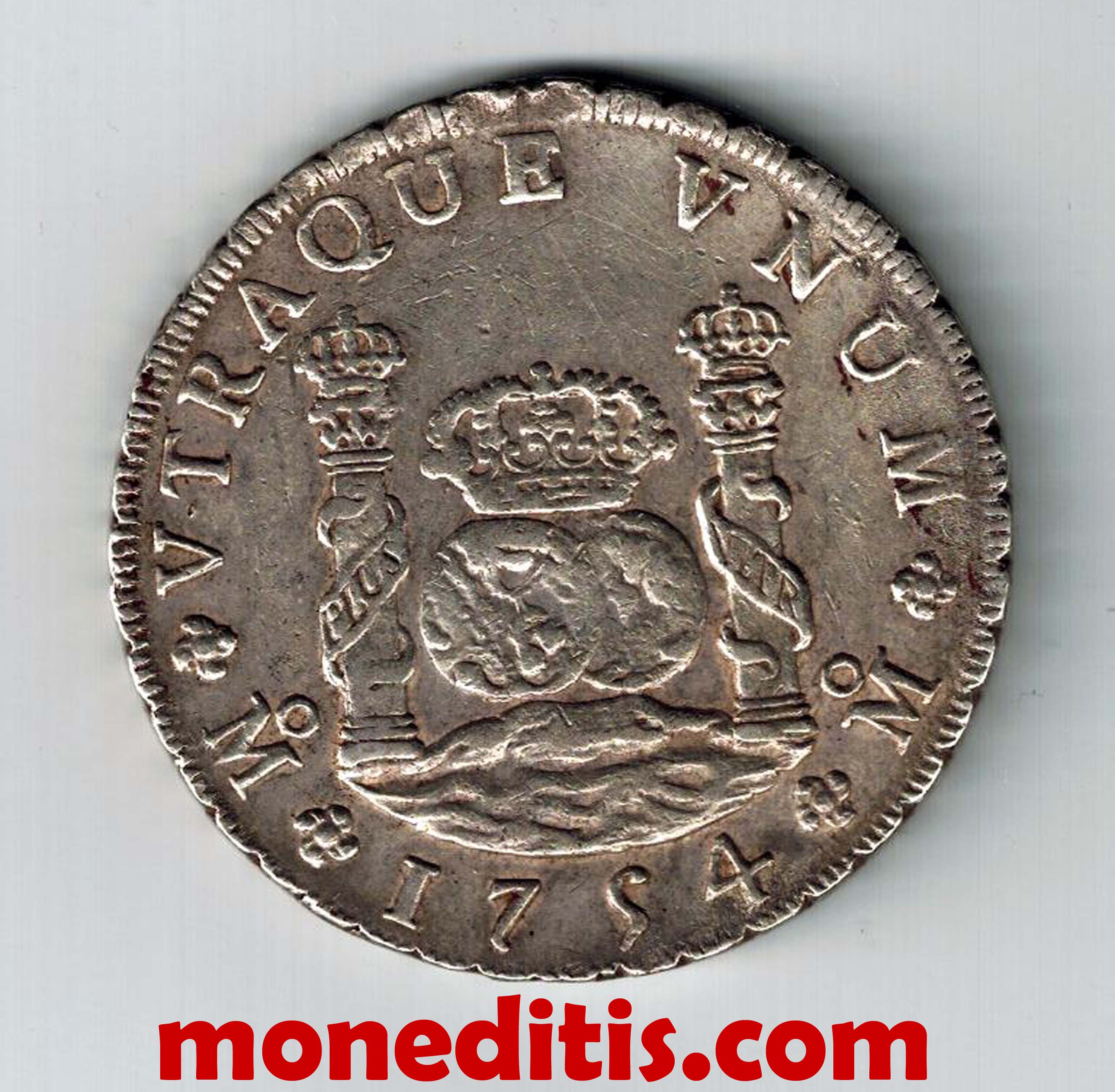
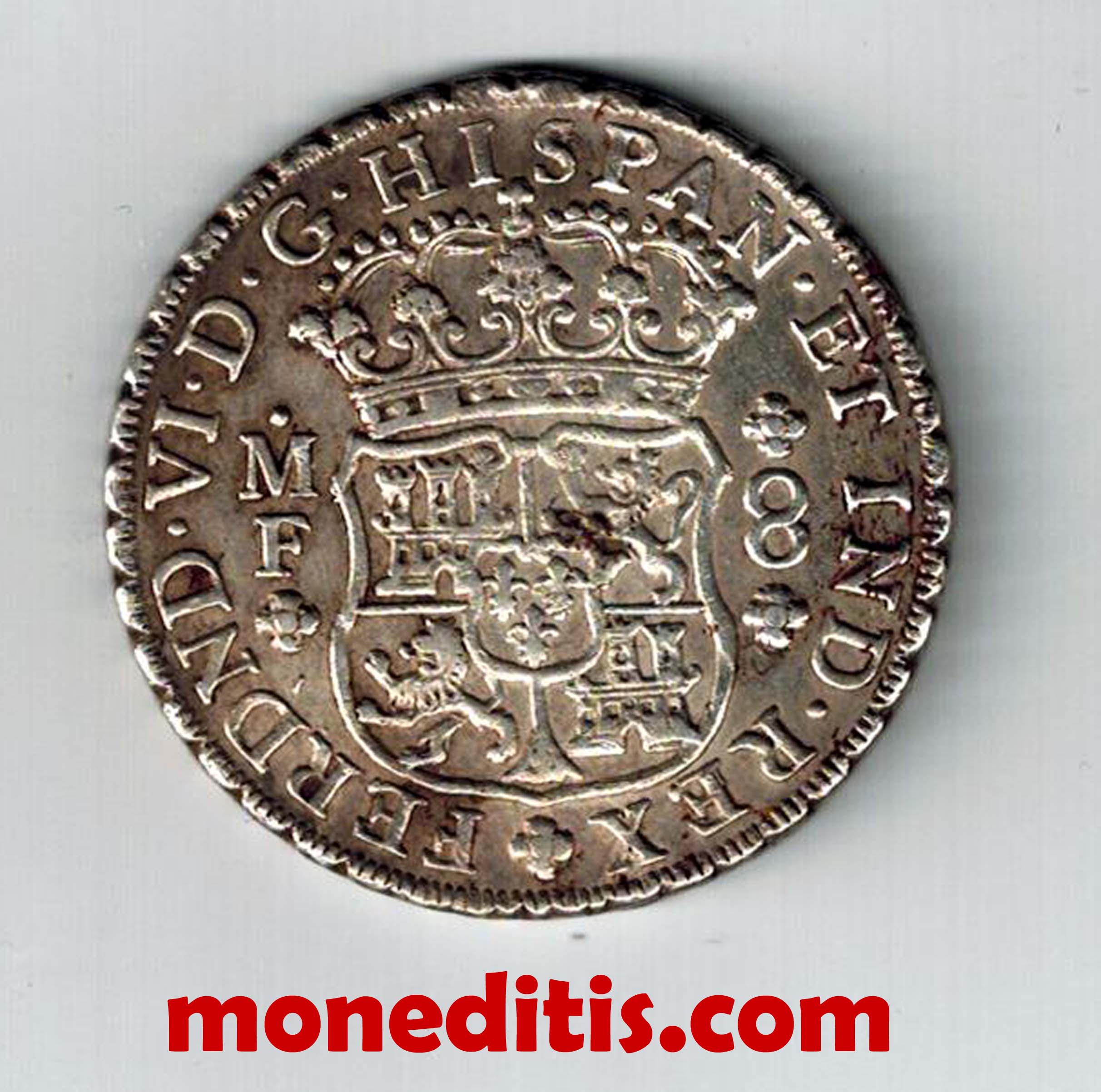
Peso: 26,51 g. Diámetro / Módulo: 39 mm (38,69 mm a 39,19 mm)

b

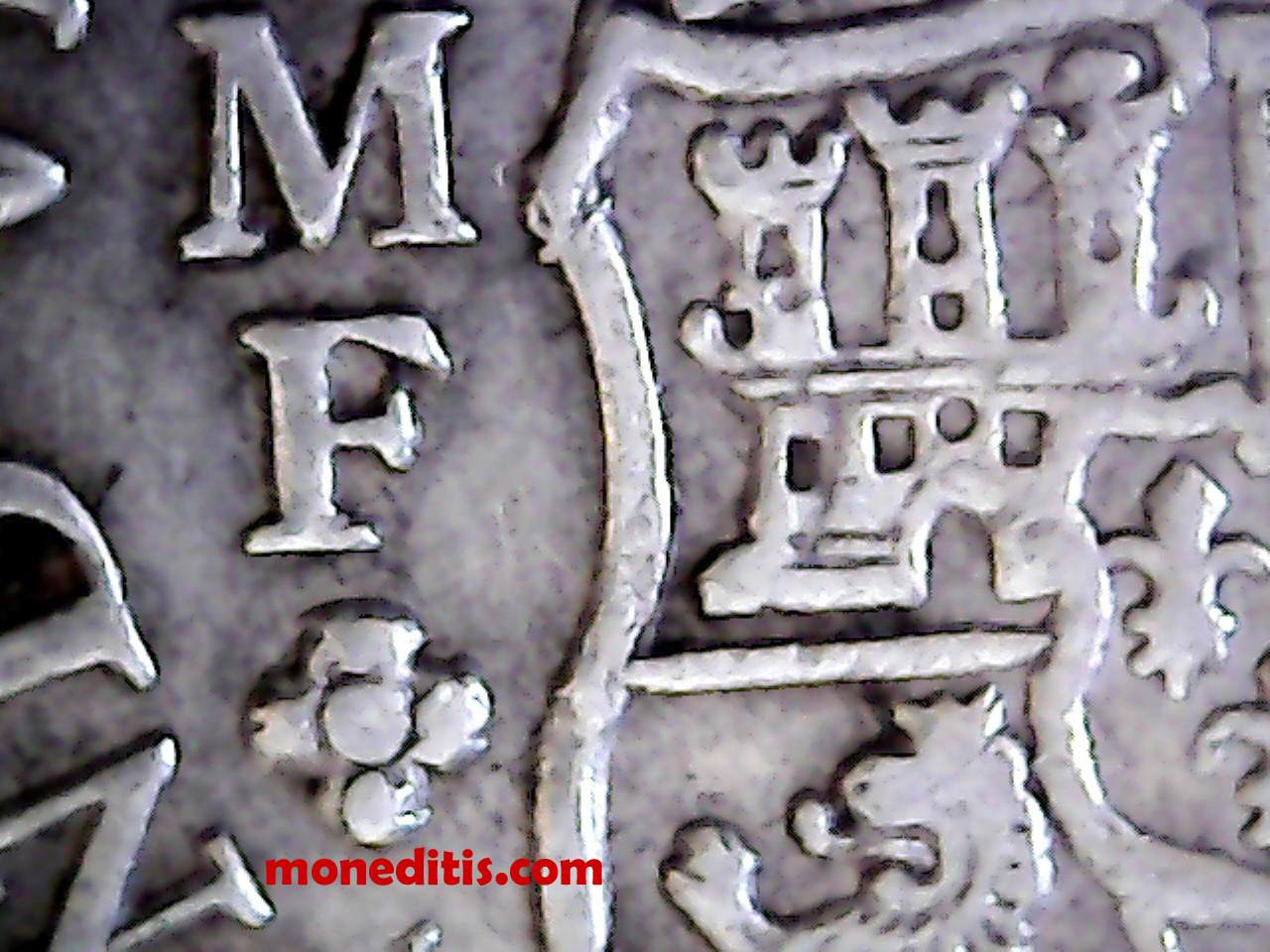
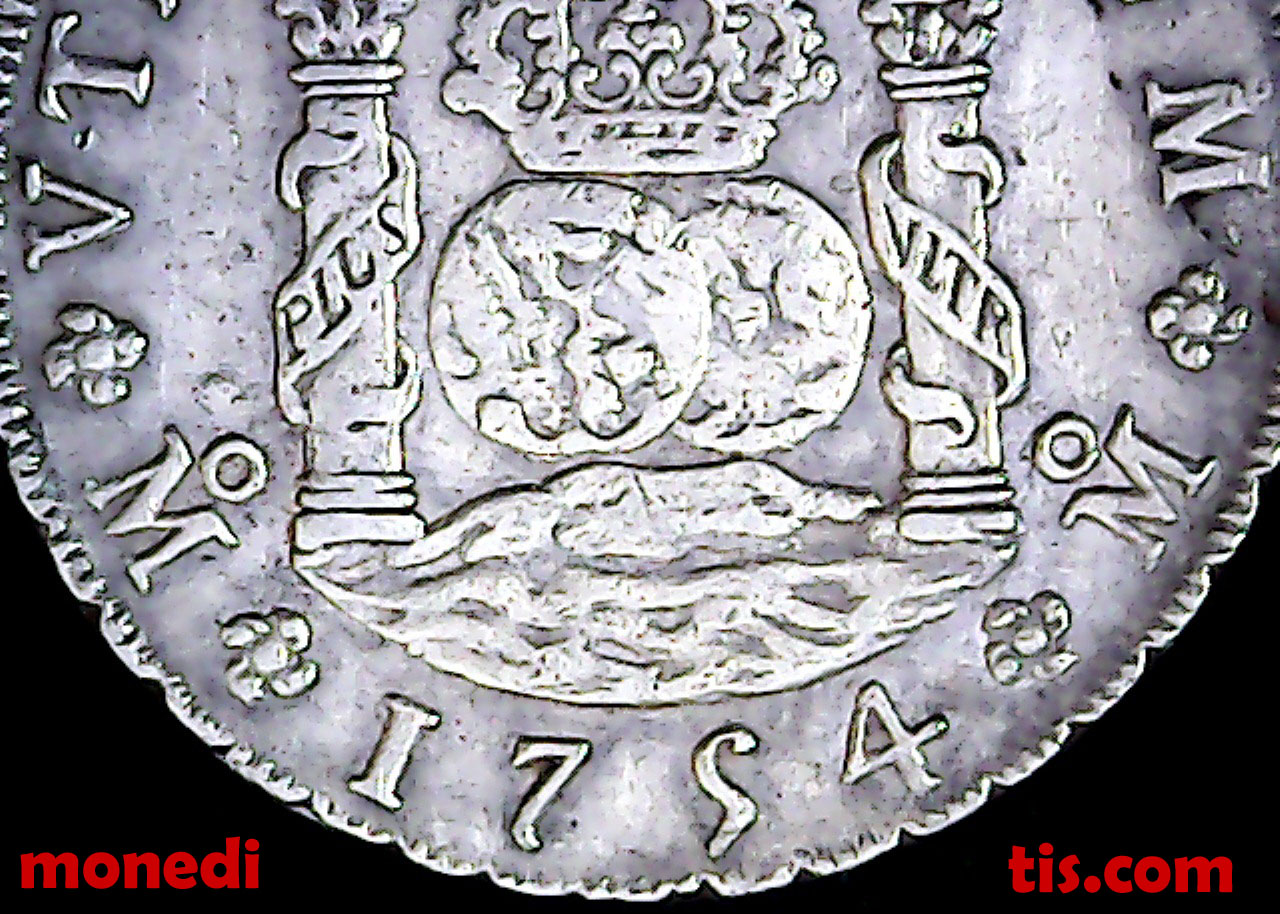
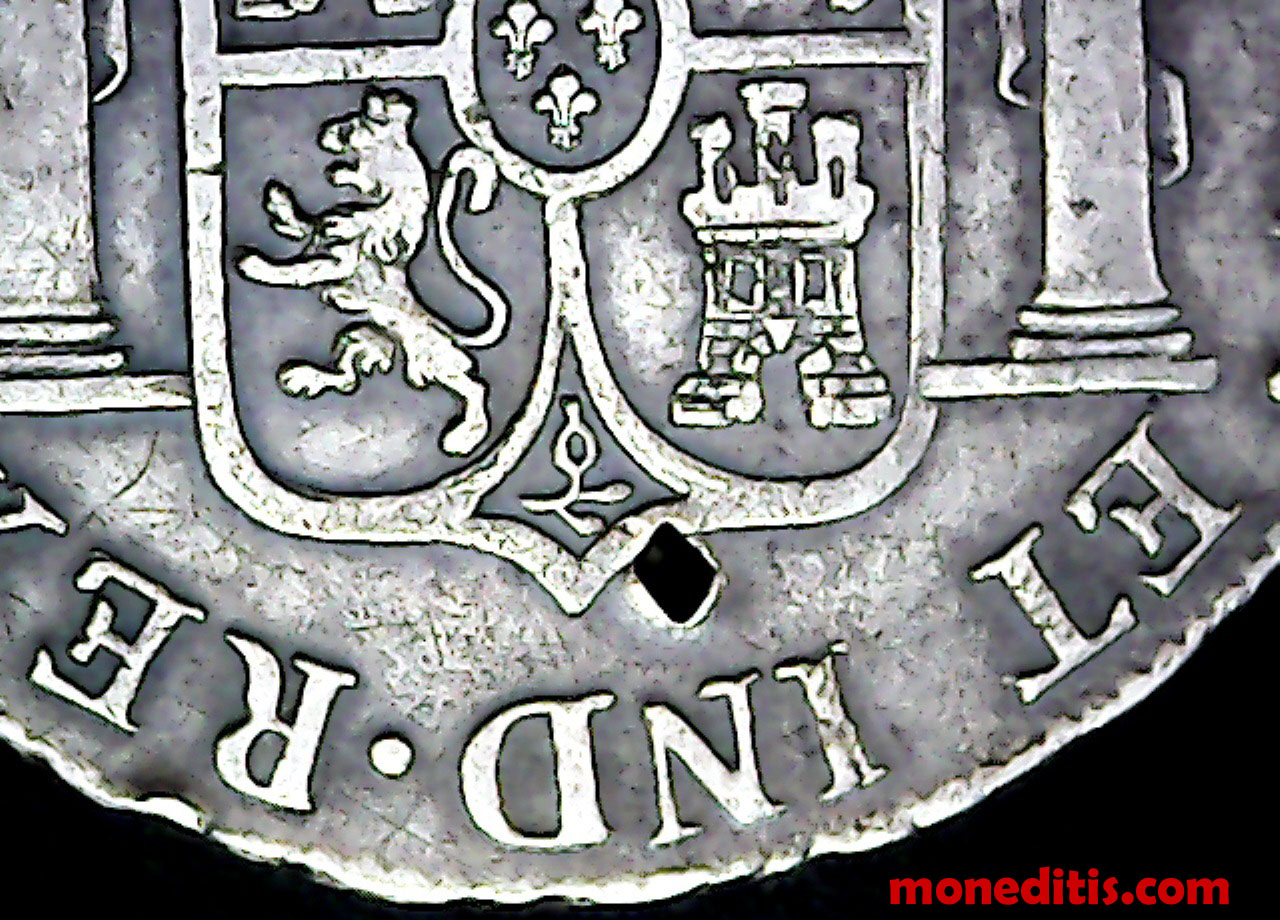
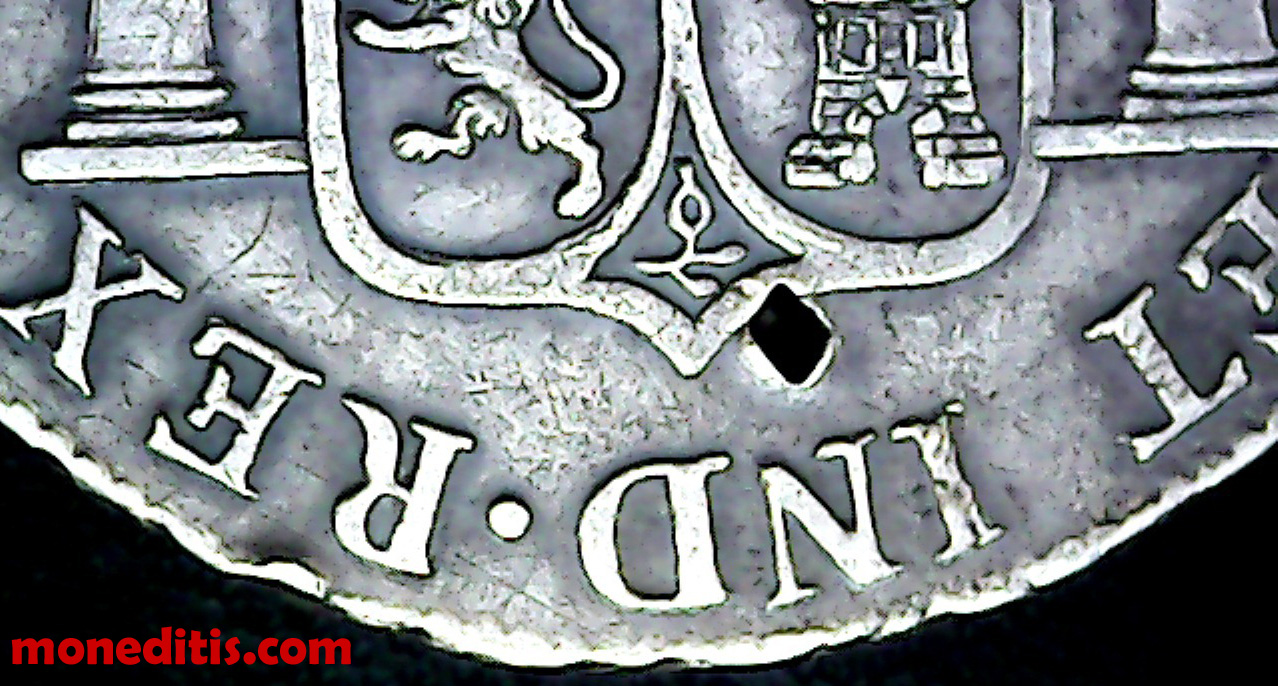
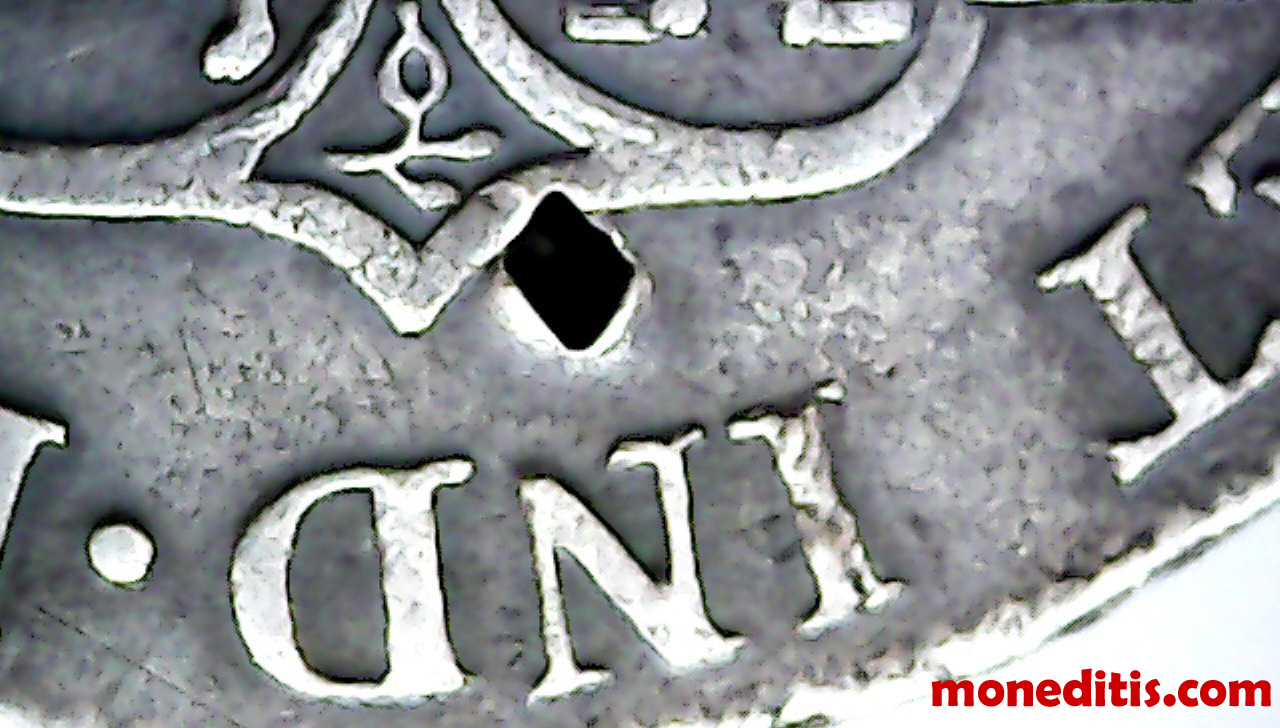
Vano. Descentrados / asimetría. Tipos del reverso sospechosos HISPAN ET IND  + grosores.  Gráfila no concluyente. Distintos leones reverso.

Ausencia de Au

Quantification of sample 8R1808POTRESELL

R.M.S.: 0.000
Sum before normalization: 103.1 %
Normalised to: 100.0 %

Element Conc.(%)
1 Ag 92.20
2 Cu 2.50
3 Ca 1.97
4 Cl 1.35
5 Si 0.67
6 Na 0.56
7 Pb 0.25
8 Al 0.16
9 S 0.13
10 K 0.12
11 P 0.10

c

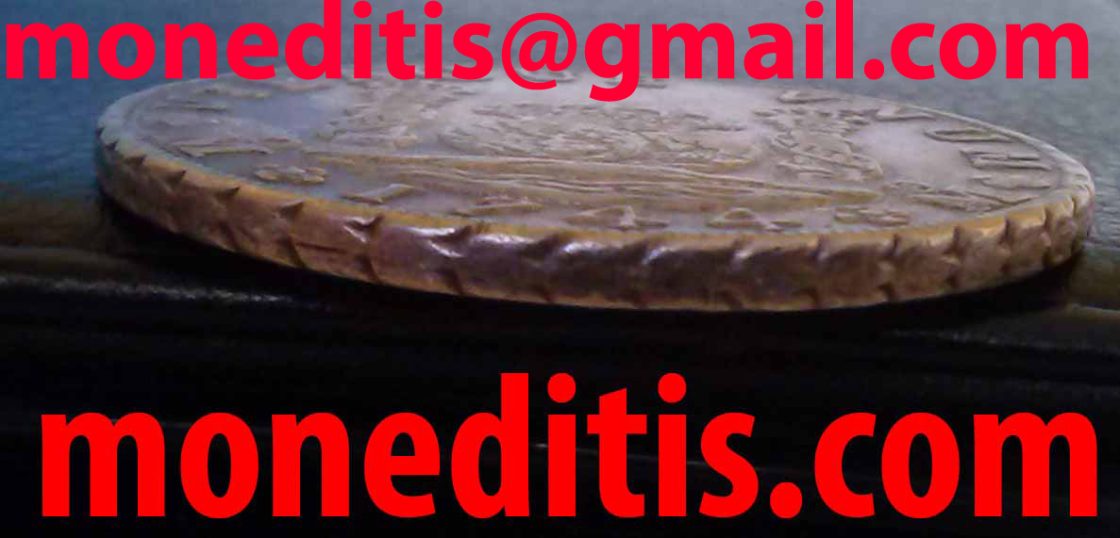
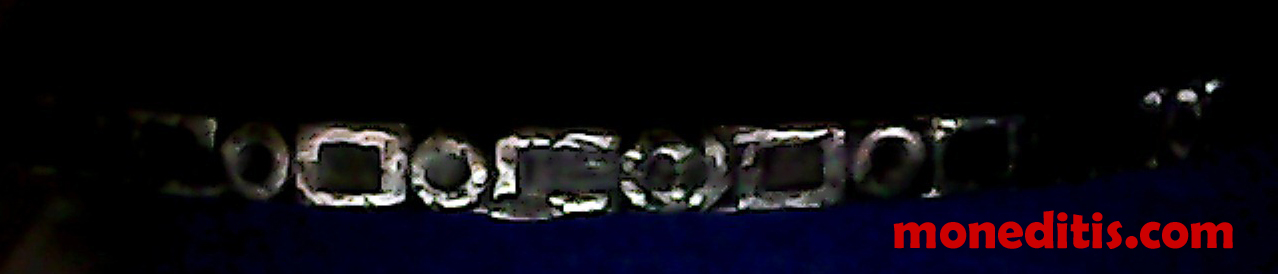
Cantos a 180 º buscando superposición inexistente/dañada/no detectada del cordón  ¤o¤o¤o¤o

d

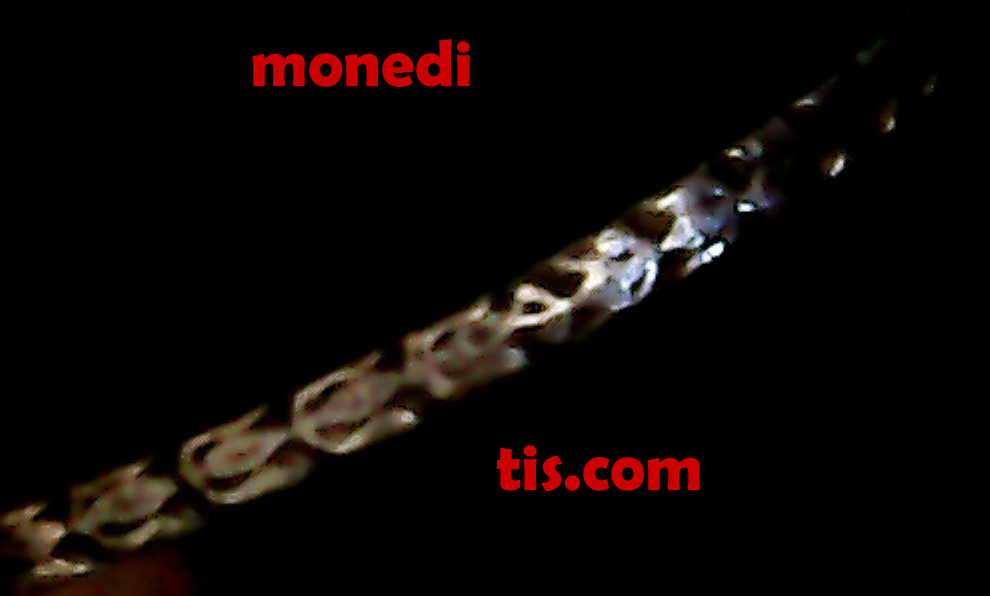
¿Canto / cordoncillo de fantasía?

g

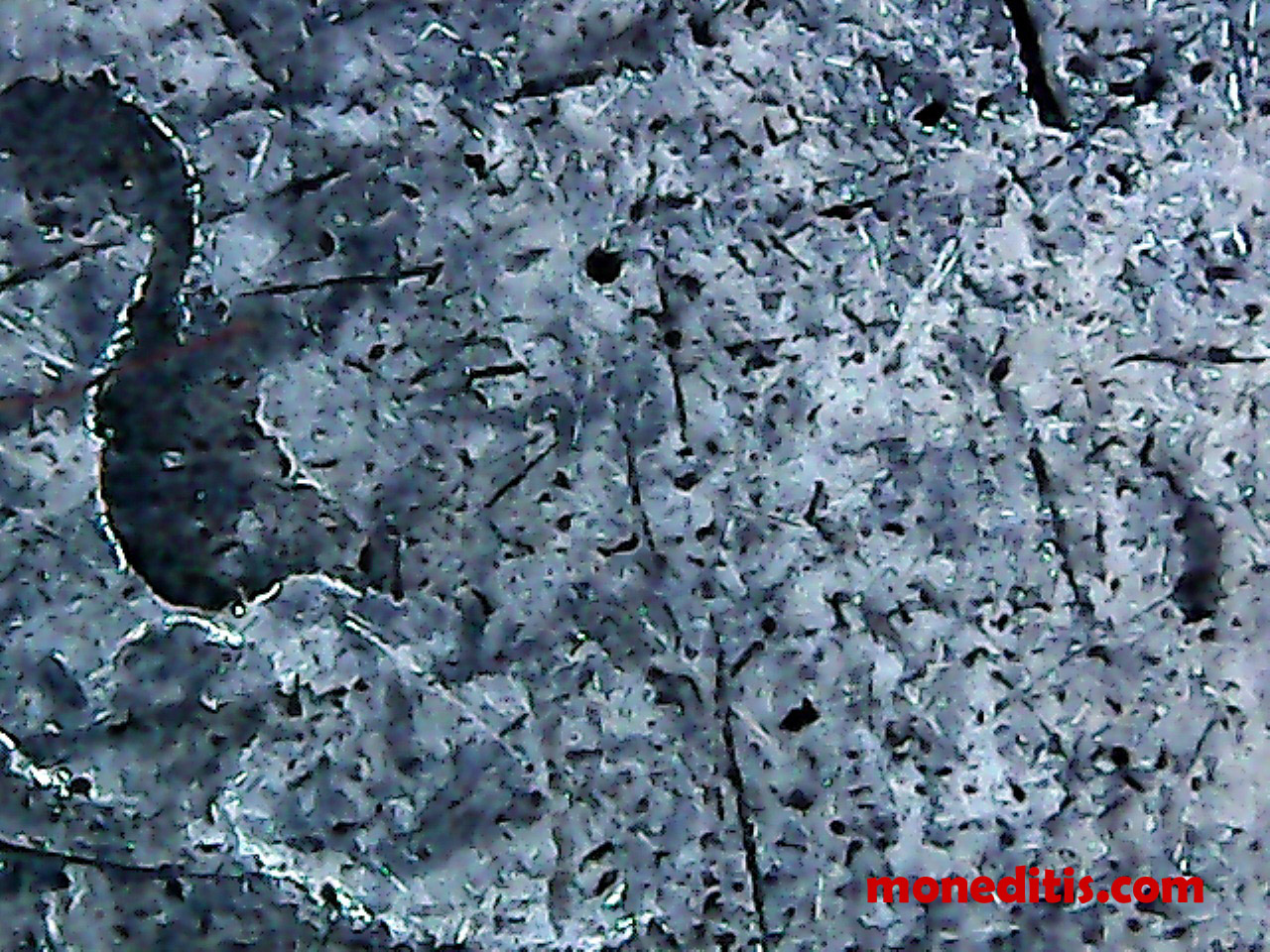
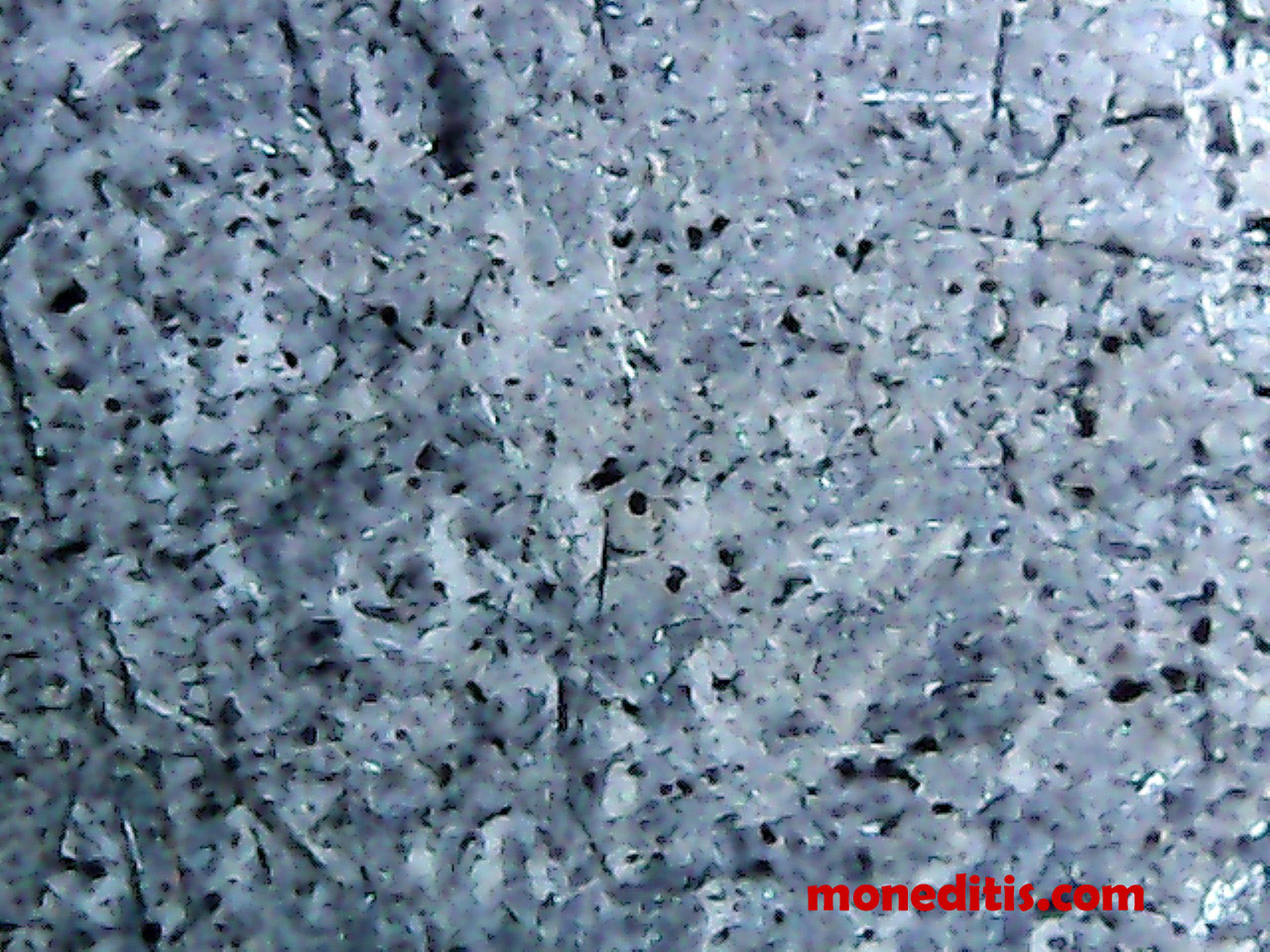
Microscopio

e

Detalle de los resellos chinos en anverso

f

Dudas, preguntas,aclaraciones…en  http://www.imperio-numismatico.com/t77060p216-falsas-de-subastas

8 reales de busto de subasta FALSOS I

Las series de Méjico de 8 reales de Carlos III y Carlos IV son las que, habitualmente, se han creído más falsificadas / copiadas, por su «premium metalífero», o buena ley,  en el comercio con China, ya sea en Birmingham / Sheffield-Reino Unido o Boston, US, de época, Bulgaria actual u otras localizaciones o momentos a lo largo de la historia. Efectivamente, lo son y no se precisa ahondar en el tema puesto que hay diversos estudios al respecto.

Lo que propongo con esta serie de entradas es que también Lima y Potosí son / fueron falsificadas, en mayor o menor medida, incluyendo Fernando VII. Aquí dejo los datos. Como veis, no es tan evidente la falsedad de las mismas y de ahí la inclusión, presuntamente, por parte de algunas casas de subasta en lotes para su venta sin posible reclamación posterior.

Quantification of sample 8R1788POTOSI

R.M.S.: 0.000
Sum before normalization: 102.8 %
Normalised to: 100.0 %

Element Conc.(%)
1 Ag 92.58
2 Cu 2.81
3 Cl 2.27
4 Na 0.95
5 Ca 0.40
6 Si 0.38
7 S 0.21
8 K 0.13
9 Al 0.12
10 Pb 0.09
11 Mg 0.05
12 P 0.02

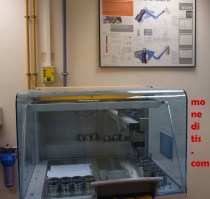
Ensayos XRF llevados a cabo en Espectrómetro científico Panalytical Axios. A grosso modo se busca Au a partir de 100 ppm. Su ausencia determina que el proceso metalúrgico de fundición no se corresponde con la época de acuñación por lo que puede colegirse la no autenticidad de la moneda. Microscopía electrónica no añadida, corroborando falsedad.

1

Aquí la importancia de la máquina. Para que no sean mis palabras

http://www.coincommunity.com/forum/topic.asp?TOPIC_ID=110145&whichpage=3

swamperbob

MathieuMa You say:

Quote:

The coin originally mentioned in this thread was genuine after all.
It was checked by a spanish specialist, and went through XRF analysis.
More can be read about it here :
http://blognumismatico.com/2012/05/…8-de-mexico/

I read the thread completely and the supporting report. The owner seems to WANT the coin to be genuine and he seems to be reading the results to achieve that wish. The credentials of the specialist are very good. Josep Pellicer I Bru is President of La Asociación Numismática Española and is an author of several books on earlier Spanish coins and ancients.

I am concerned as to the casual nature of the «authentication» by this person regardless of his qualifications. The owner notes the process is simply a subjective opinion by one man – a qualified one. But the nature of the inspection is not given. Was anything other than a loupe used? How long did it take? Did he make any cautionary disclaimers?

The owner uses the XRF tests as a «Coup de grace» to prove his case.

There are several SERIOUS problems with the authentication as presented. The XRF device used by this «new» testing firm (which the owner of the coin has been involved with since its inception) was essentially worthless as a method of proof the coin is genuine.

The Niton XL3T 980 is a hand held XRF devise that provides a level of accuracy that is good for a junk yard purchase of scrap metal but it is not capable of testing for the trace contamination of gold that must be present to authenticate the coin. If you refer to the website for Niton you will notice this model is not recommended for precious metals testing. It is a general industrial tester. The stated error rate for the silver content (91.8 % average) is plus or minus one quarter of a percent. That result is actually too high for an original. The results DO NOT MENTION gold at all. There is about 1% of the content missing which is referred to as «other trace elements». That is simply NOT ADEQUATE as an XRF result.

So, far from being proven genuine – the results seem to indicate the coin could just as easily be a Numismatic Forgery made from 91.8% silver and 7.2% copper a few weeks ago as it could be a genuine coin made in 1748.

a

Como sabéis, mi participación está vetada en la mayoría de casas de subastas españolas excepto, de momento, Áureo, Herrero e Ibercoin, por lo que son estas casas las que aparecen por motivos evidentes. En ningún momento reclamo nada ni a Áureo ni a Ibercoin puesto que compré las monedas intuyendo su falsedad, ahora demostrada. Gracias a ambas casas por su profesionalidad…duda…aunque quizá sea simplemente una estrategia más de marketing…certeza… desde luego no puedo decir lo mismo del resto de «profesionales» de las subastas numismáticas patrias.

b

Gráfila (segmentos del exterior) sin dintel no termina en el borde/canto, posiblemente no concéntrica con radios no dirigidos al centro. Asimetrías comunes. Desgaste irregular. Tipos discutibles. Peso: 26,77 g Diámetro / módulo: Irregular 42 mm (41,82 a 42,12 mm). Click en la imagen para agrandar.

cd

Cantos a 180 º buscando superposición inexistente/dañada/no detectada del cordón  ¤o¤o¤o¤o

ef

Imágenes al microscopio

g

Iré subiendo varias monedas y sus correspondientes datos a lo largo de esta semana.

El debate que se genere y/o preguntas al respecto en http://www.imperio-numismatico.com/t77060p216-falsas-de-subastas#858587

Datos Subasta Vico 5 febrero

En archivo pdf Vico ha mandado lotes ganados y nombres de los ganadores de su última subasta. Los afectados, lógicamente, están cabreados, CON RAZÓN.

http://www.imperio-numismatico.com/t94761-carta-dirigida-al-senor-jesus-vico-subastas

http://www.imperio-numismatico.com/t92665p360-proxima-subasta-jesus-vico-5-de-marzo-a-las-1700-horas

En el citado documento filtrado aparecen otras casas de subasta, Vico autopujándose y nombres propios muy repetidos, entre otros detalles. Yo finalmente no pujé ni, consiguientemente gané nada,  al no serme enviadas ni subidas apropiadamente en su web de subastas las imágenes pedidas. Mejor así.

Como he leído en los enlaces de arriba, los coleccionistas no tenemos memoria, puesto que problemas con pujas, datos y tal no es la primera ni la última vez que sucede en las casas de subastas

Aquí os dejo los datos que aparecen en su web…los otros están a buen recaudo 🙂 ¿¿¿¿

http://www.jesusvico.es/index.aspx?page=ResultadoSubasta

JESUS VICO S.A.
Subasta 141
5 de Marzo de 2015 – 16:30h
IAPN


Si está interesado en algún lote No Adjudicado pinche aquí


Ver Todos
Solo Adjudicados
No Adjudicados
Volver


Lote Salida Adjudicación Descripción
1 300 € 310 € 4 denarios: Bolskan, Ikalesken y Secokirikes (2). Calidad media MBC….
2 300 € 0 € 9 denarios de Bolskan. Calidad media BC+….
Zoom
3 200 € 230 € 8 ases: Carmo (2), Kelse (2), Bilbilis, Colonia Rómula, Orippo y Ventipo. De RC …
4 50 € 80 € 9 monedas: 1/4 de calco hispanocartaginés, as de Ventipo, as de Bilbilis, dracma…
5 100 € 135 € 2 denarios de Bolskan y Sekobirikes; 6 ases: Cástulo, Caesar Augusta, Emérita, O…
6 60 € 0 € 3 monedas hispanocartaginesas de calco diferentes. BC/MBC-….
Zoom
7 50 € 60 € 7 monedas hispanocartaginesas de 1/4 de calco. BC-/ BC+….
8 320 € 380 € AREKORATAS, ágreda (soria). Denario. A/ Cabeza masculina con peinado de dos nive…
9 130 € 250 € AREKORATAS, ágreda (soria). Denario. A/ Marca: letra ibérica Ku. R/ Jinete asoma…
10 170 € 190 € AREKORATAS, ágreda (soria). Denario. R/ Ley. en dos líneas. AR 3,7 g. I-110. VIL…
11 150 € 300 € AREKORATAS, ágreda (soria). Denario. R/ Jinete asomando dos pies. AR 4,0 g. I-11…
12 180 € 210 € ARSAOS, zona de navarra. Denario. A/ Marca: arado y delfín. AR 4,2 g. I-139. VIL…
13 100 € 140 € ASIDO, medina sidonia (cádiz). Semis. R/ Dos atunes a izq., debajo ley. libio-fe…
14 300 € 0 € BARIA, villaricos (almería). Calco. A/ Cabeza de Heracles con piel de león a der…
Zoom
15 400 € 450 € BARIA, villaricos (almería). Cuarto. A/ Ureus con disco solar y entre dos serpie…
16 130 € 155 € BASKUNES, pamplona (navarra). Denario. R/ Dibujo de la cabeza del caballo muy si…
17 150 € 280 € BASKUNES, pamplona (navarra). Denario. R/ Correaje del freno del caballo simplif…
18 600 € 1.100 € BELIKIOM, belchite (zaragoza). Denario. A/ Cabeza barbada a der., detrás letra i…
19 1.200 € 1.250 € BENTIAN, zona de navarra. Denario. A/ Cabeza barbada a der., detrás ley. ibérica…
20 40 € 80 € CARISA, cerca de bornos (cádiz). Semis acuñado sobre semis de Cástulo. RC/MBC. R…
21 300 € 1.200 € ACUÑACIONES HISPANOCARTAGINESAS. 1/4 de siclo. A/ Cabeza de Hércules a izq., det…
22 625 € 2.000 € ACUÑACIONES HISPANOCARTAGINESAS. Siclo. A/ Cabeza de Tanit a izq. R/ Caballo sal…

ps ¿Seguimos participando en subastas o los toros desde la barrera? Yo lo tengo claro ¿y tú?

psII Acabo de solicitar a los sres. de Vico que eliminen de su base de datos todo lo que conste sobre mi, de acuerdo con las leyes en vigor al respecto

Estimados Sres. de subastas Vico:

Ruego eliminen de su base de datos todo lo relacionado con mi persona, incluída filiación, domicilio y cualquier otra información, de acuerdo con las leyes vigentes al respecto, incluyendo toda comunicación entre nosotros, ya sea física o telemática de la que puedan tener registro.
Atentamente
Xxxx  Xxxxxxx  Xxxx
DNI yyyyyyyyyyyЯ
psIII Los que sigáis pujando en Vico vais a tener menos competencia si muchos nos damos de baja. ¡Agradecédnoslo dándoos de baja vosotros también en otras casas de subasta! ¿Se correrá la voz? 😉
ps IV de comunicado remitido a enlace superior del foro imperio numismático por Vico  http://www.imperio-numismatico.com/t92665p360-proxima-subasta-jesus-vico-5-de-marzo-a-las-1700-horas«…  los servicios jurídicos de esta casa están recabando la información necesaria para ejercer las acciones legales pertinentes contra los responsables con la mayor energía que permita la ley…» ACOJONANTE. Siguen la misma política de asustaviejas y cuidado que voy a por ti. ¿Responsables de qué? Ustedes son los únicos responsables de su error. 
ps V Sin comentarios. Mejor sin gente crítica y molesta. Ovejas everywhere. Correo recibido hace unos minutos en respuesta a mi petición de baja.
Estimado Sr. Xxxxx:Con mucho gusto procedemos a ello, petición que, tras las innumerables quejas que hemos recibido por parte de particulares y profesionales sobre Ud., compartimos.Atentamente,Jesús Vico.
JESÚS VICO, S.A.
Jorge Juan, 83 B
E-28009-MADRID
ESPAÑA
Tfno.:+ 34-914318807/+34-915773065
Fax.:+ 34-914310104
Mail: jesusvico@jesusvico.com
Web site: www.jesusvico.com

Gracias
Les invito a leer en unos días entrada sobre 8 reales de busto falsos de subastas y por qué Uds. y otras casas de subastas, presuntamente, han aumentado el número de lotes de conjunto de 8 reales a la venta, sin posibilidad de reclamación sobre los mismos.
jesusdelrio                                                                                                                                                             MILES GREGARIVS
PD: @jesusvicosa, me parece vergonzoso que hayas escrito ese correo a @moneditis, independientemente de lo que pienses de él/ella como persona o comprador. Está completamente fuera de lugar.
Diafebus
TRIBVNO
Lo de @moneditis es un caso a parte con el que tampoco estoy de acuerdo. Deberían dar las gracias de que haya gente que se interese por identificar monedas falsas en sus subastas sabiendo que siempre se les pueden colar falsificaciones (como es el caso). Me gustaría ver que pasaría si contestaran a todos sus clientes de la manera que lo han hecho con él. Muy rápido se lo llevan todo al terreno personal esta gente.
ps VI ¿Somos tontos los coleccionistas y dejamos que nos timen las casas de subastas? En mi caso, parece que si 😉

Monetary Metals Supply and Demand Report: 1 Mar, 2015

One almost gets the sense that a significant event is going to happen soon. The wisdom of our old friend Gandalf has been paraphrased a number of times in this Report. To quote from him again (not paraphrasing at all this time), “Tt’s the deep breath before the plunge.”

We don’t necessarily mean a plunge in the price of gold measured in dollars. It could be a plunge in the price of the dollar. And there many other currencies that look ready to plunge. For that matter, the dollar is currently 25.6mg gold. There is no reason it couldn’t be 16mg again, as it was in 2011.

Others are looking for it too, some in all the wrong places. Such as an absurd claim, floating around this week about Apple. One version of their new Watch is made out of gold metal. The claim is that Apple is buying a third of the world’s gold. “Hold on to your gold, boys and girls, because gold’s gonna go up!” Well, except for the fact that the stocks of gold have been accumulating for at least 5000 years. All of that vast stockpile is potential supply. Apple cannot make a dent in that.
For a real picture of the supply and demand fundamentals of gold and silver, read on…

First, here is the graph of the metals’ prices.

The Prices of Gold and Silver
letter mar 1 prices

We are interested in the changing equilibrium created when some market participants are accumulating hoards and others are dishoarding. Of course, what makes it exciting is that speculators can (temporarily) exaggerate or fight against the trend. The speculators are often acting on rumors, technical analysis, or partial data about flows into or out of one corner of the market. That kind of information can’t tell them whether the globe, on net, is hoarding or dishoarding.

One could point out that gold does not, on net, go into or out of anything. Yes, that is true. But it can come out of hoards and into carry trades. That is what we study. The gold basis tells us about this dynamic.

Conventional techniques for analyzing supply and demand are inapplicable to gold and silver, because the monetary metals have such high inventories. In normal commodities, inventories divided by annual production (stocks to flows) can be measured in months. The world just does not keep much inventory in wheat or oil.
With gold and silver, stocks to flows is measured in decades. Every ounce of those massive stockpiles is potential supply. Everyone on the planet is potential demand. At the right price, and under the right conditions. Looking at incremental changes in mine output or electronic manufacturing is not helpful to predict the future prices of the metals. For an introduction and guide to our concepts and theory, click here.

Next, this is a graph of the gold price measured in silver, otherwise known as the gold to silver ratio. It moved down this week.

The Ratio of the Gold Price to the Silver Price
letter mar 1 ratio

For each metal, we will look at a graph of the basis and cobasis overlaid with the price of the dollar in terms of the respective metal. It will make it easier to provide terse commentary. The dollar will be represented in green, the basis in blue and cobasis in red.

Here is the gold graph.

The Gold Basis and Cobasis and the Dollar Price
letter mar 1 gold

Gold bulls will be excited to see that even though the price was up $11 (i.e. the dollar was down about ¼ mg), the cobasis (scarcity) rose. The April gold contract is now in backwardation. A very slight backwardation.

Our calculated fundamental price of gold was unchanged this week. It’s still about $50 over the current market price.

Now let’s look at silver.

The Silver Basis and Cobasis and the Dollar Price
letter mar 1 silver

The price of silver went up 33 cents, and whatddya know, the cobasis (scarcity) rose big-time. This pattern also occurs in farther-out contracts, if with a bit less magnitude.

Perhaps the small savers in Greece (where a bank run appears to be happening), or Ukraine (where the currency is in outright collapse, or any number of other countries have decided it’s better to hold money than government debt paper. And perhaps silver is affordable to them but gold is too expensive. Whatever the reason, a small and potentially significant shift in the fundamentals has occurred in silver.

That said, silver speculators should not get too excited yet. Although we calculate a fundamental price 50 cents higher than we did last week, it’s still more than a buck fifty below the market price.

Perhaps the fundamentals will continue to tighten. However that’s not a bet we would recommend just yet.


© 2015 Monetary Metals

10 Responses to Monetary Metals Supply and Demand Report: 1 Mar, 2015

  1. Bob March 2, 2015 at 12:51 am #

    I am certainly going to celebrate when the silver fundamental price finally rises above market price! It is just so difficult for me to believe the god’s (pathogen killing) gift to mankind element can be valued so low for so long. I think of all pathogens engulfing those paper debt FRNs that circulate, just disgusting! I can’t help but think silver was created to be perfect pocket money. If we could only stick to the wisdom imbedded in our constitution. How many books did Jefferson read to become so impressively educated and wise?

    Thank you much for this info!

    • RD March 2, 2015 at 9:39 am #

      If several additional hundreds of tons of physical gold purchase would not add a single once of strain to the gold market, why are you losing your time with this gold basis story ?

      • Keith Weiner March 2, 2015 at 11:10 am #

        RD: Sorry, there is a half-formed statement hiding in a half formed question. Could you please clarify both?

        • RD March 2, 2015 at 11:57 am #

          What I said is just it is obvious that if apple would buy such quantity of gold (everything else being equaled regarding gold purchase ie nobody would deferred or canceled gold purchase in order to buy this gold iPhone), it would not change dramaticaly the global gold market.

          But, it does not mean that such increasing physical buying pressure, would not increase the physical demand/supply equilibrium for a given fiat equilibrium price.

          Indeed, if gold was such plentiful (at these fiat level exchange) and if a potential new big physical gold buyer would have not importance, it would be useless at this stage to follow the gold basis as there would be permanent strong contago.

          PS : sorry, English is not my primary langage and I have big difficulties in order to transcribe nuances into my comments but I hope you will get what I generally mean…

          • opusnz March 2, 2015 at 1:12 pm #

            RD, I knew exactly what you meant so don’t feel bad.

            While I am getting used to it (I am a slow learner) I think some of the attempts at irony or satire are too cryptic and only muddle the message. For those who live and breathe gold it makes perfect sense but for those trying to learn it can make you feel like you are at a Star Trek convention and everyone is speaking Klingon.

  2. RD March 2, 2015 at 3:14 pm #

    opusnz,

    Not sure to have rightfully undertsood your post, still due to my poor English sorry.

    The gold basis “believers” seem to be very sarcastic (or more) on other gold “promoters” and between themselves : it is maybe the time to team up with dan norcini and martin armstrong !

    Besides, I remember years ago fekete stating that the gold basis cannot be manipulated contrary to the gold price, but I did not remember what was the irrefutable evidence of this statement (maybe because I missed them I agree). Indeed, suppose for the sake of the mind, that deliveries would be “forbidden” (just a theorical problem !) in the comex : would it change the relative values of the future contracts ?

    Would it be possible that gold basis results would be a little different in non US markets such shanghai (in Mainland or in the free trade zone) ? If yes, is it meaningful for the theory ?

    Yes I know are surely just a few stupid useless questions as the basis oracle is omniscient…

  3. Keith Weiner March 2, 2015 at 5:41 pm #

    RD: If Apple buys a few hundred tons, that might affect the price of gold. Especially if there were no corresponding selling of gold (e.g. someone sells gold jewelry to buy an Apple Watch which is basically gold jewelry). That is different from my point in this Report. A few hundred tons is *NOT* a third of the world’s gold. The official estimates (which I believe are understated) are 170,000 tonnes.

    It might also affect the basis. As you note, if the only change at the margin is a new buyer of a few hundred tons, then gold metal becomes scarcer. At least until the price rises.

    I try not to be sarcastic, and at the same time point out the economic nonsense (e.g. Apple is buying 1/3 of the world’s gold) and the self-serving promotion. I think this is a matter of integrity. Whether you agree with the basis theory (which is really just an arbitrage theory of markets).

    How would one go about trying to manipulate the basis? If the market wants gold metal, selling futures will only push deeper into backwardation. The only thing central banks could do is sell gold bars. I would not regard that as “manipulating the basis” so much as squandering the national provenance, spending the treasure that belongs to their people.

    I will ask you also to please not be sarcastic. :)

  4. pchapuis March 2, 2015 at 7:19 pm #

    Months of religiously reading these posts and I still struggle to understand. I do get the general idea, so I keep reading. =)
    Do you think that the day we get this “backwardation” we are looking for, that there will actually be physical gold available to buy for the average man on the street?
    I am self taught and have no formal schooling in economics…..but something seems amiss, could the price of gold in dollar terms plummet on the paper market while no physical gold be available to exchange our fiat currency with at my local coin shop?

  5. bronsuchecki March 2, 2015 at 9:42 pm #

    My thoughts on can the basis be manipulated http://goldchat.blogspot.com.au/2010/07/basis-does-not-lie.html

    “Now your retort may be that the fact that the trusting investor was willing to accept fake unallocated allowed the manipulation of the basis to turn backwardation into contango. You would be correct, and that is the point of my scenario. The basis is therefore reflecting reality, the reality that there are idiots prepared to accept paper gold.”

    More at the link.

Degussa en Madrid II

Degussa: Deutsche Gold und Silber Scheide Anstalt (Instituto alemán de separación de oro y plata) Colonización económica del siglo XXI

Sin noticias. Imágenes de hace un par de días

3

http://www.degussa-goldhandel.de/en/location_madrid.aspx

4

Por la situación del local (Alcalá esquina Velázquez) no pueden tener buenos precios y/o el «spread» / corretaje ha de ser abultado…pero no lo sé porque no saben / no contestan mis correos 😦

http://www.degussa-goldhandel.de/en/prices.aspx Precios medio-altos. Podría ser peor.

Curioso margen entre las referencias 100500 y 100505.

100500
50 g Degussa gold bar
1,726.00 1,770.00 Warenkorb
100505
50 g Degussa gold bar (Combi bar)
1,726.00 1,862.00

En  plata, platino, paladio y rodio…tremendas diferencias bid/ask. Almacenamiento disponible.

ps Han contestado a mi último correo. Gracias. Ya están abiertos. Suerte.

Subastas a la vista

Vico Siempre merece la pena hojear su catálogo de antigüedades. Por fin disponible catálogo pdf. Gracias.

http://www.sixbid.com/browse.html?auction=1796

http://www.jesusvico.es/Img/141/catalogo.pdf

y Aureo 

Selección

http://www.sixbid.com/browse.html?auction=1805

https://www.aureo.com/mediaaureo/Subasta0266-1/catalogo0266-1.pdf

Sala

http://www.sixbid.com/browse.html?auction=1804

https://www.aureo.com/mediaaureo/Subasta0266-2/catalogo0266-2.pdf

Correo

http://www.sixbid.com/browse.html?auction=1806

https://www.aureo.com/mediaaureo/Subasta0266-3/catalogo0266-3.pdf

De la primera me gustan los lotes 247 http://www.sixbid.com/browse.html?auction=1796&category=37326&lot=1585701  

Es de sobra conocido que durante el siglo XVII (1609 a 1682) se emitieron en Castilla unas piezas absolutamente excepcionales, de alrededor de 76 mm. de diámetro, los llamados «Centenes», con valor de 100 escudos de oro, y «Cincuentines», con valor de 50 reales de plata que tradicionalmente han sido consideradas como monedas conmemorativas, piezas especiales realizadas para dar relieve a algún evento importante para la Monarquía. Esta definición es correcta en buena medida, pero también sabemos que se utilizaron para atraer la plata que llegaba a Sevilla al Ingenio de Segovia, único lugar donde podían acuñarse, tanto legalmente como técnicamente, ya que era la única ceca «industrial» de la Corona. Muchos mercaderes recibieron licencias de acuñación porque les interesaba amonedar su plata en estos altos valores, que incluso parece que llegaron a circular, aunque de forma muy excepcional (como se puede ver en la Carta de pago otorgada por Catalina Arias a favor de Francisco Martínez el 23 de diciembre de 1679, en Archivo Histórico de Protocolos de Madrid, tomo 11.684, fols. 854-855.). Hay que recordar que estas piezas no estaban previstas en la legislación monetaria vigente, aunque su tipología sí seguía las normas de la Pragmática de la Nueva Estampa (1566), por lo cual para su acuñación era necesaria una licencia expresa de la Corona, donde normalmente se detallaba la cantidad de plata u oro que se autorizaba a acuñar en estas piezas, tanto para acontecimientos especiales de carácter reservado del rey, visitas de estado (1613, 1623), gracias a nobles o altos personajes de la administración (Conde de Chinchón, Marqués de Eliche…) y sobre todo con licencias expedidas a mercaderes.

En el caso de la pieza que ahora se oferta, realizada en 1659, la licencia se dió el 21 de agosto a los mercaderes Juan Cruz de Gainza y Pedro Azpilicueta (que ya habían conseguido una licencia anterior con el mismo fin en 1651), que habían pedido acuñar 23 kilos de plata en estas monedas (además de otra mucha en otros valores). Los cincuentines con año de acuñación 1659 muestran todos que la fecha ha sido regrabada encima de otra (en este caso 1631), un método que se usaba cuando no se hacían nuevos cuños, muy costosos, para realizar estas cortas tiradas, aunque hay que señalar que piezas de Reales de a Ocho realizados en esta misma fecha para estos mercaderes en el Ingenio, tienen la misma particularidad en la data. El ensayador fue Bernardo de Pedrera Negrete (BR).

y 283 http://www.sixbid.com/browse.html?auction=1796&category=37329&lot=1585737

La ceca de Guatemala es de fundación tardía. Esta Capitanía General dependía del Virreinato mexicano, y tras la llegada al poder de los Borbones sus autoridades pidieron en varias ocasiones la creación de una ceca, pero la petición no prosperó hasta que en 1730 el Virrey de Nueva España (Juan de Acuña y Bejarano, Marqués de Casafuerte) y el obispo de Guatemala (Juan Leandro Gómez de Parada Valdez y Mendoza), pidieron conjuntamente esta merced, aceptando Felipe V su creación por Real Cédula de 17 de enero de 1731, que inmediatamente puso en vigor el Capitán General de Guatemala Tomás Rivera y Santa Cruz.

Para abaratar costes se ordenó a la ceca de México que se encargase de ponerla en funcionamiento, y dado que esta ceca estaba en período de cambio estructural para realizar la nueva acuñación mecanizada a volante, decidió enviar a Guatemala su antiguo equipo de acuñación, que llegó a la ciudad durante el mes de febrero de 1733, junto con un numeroso equipo técnico dirigido por José Eustaquio de León, veterano ensayador de la ceca mexicana, que pasó a dirigir la ceca, mientras su sobrino, José de León Sosa, se hará cargo del ensaye de las piezas, cuya fabricación comenzó ya en marzo de 1733, aunque la ceca no se inauguró oficial y completamente hasta julio de 1738. La producción a martillo se mantuvo durante el reinado de Felipe V, y los cuños del nuevo rey, Fernando VI, se enviaron desde México a finales de julio de 1746. La política modernizadora de la Corona hizo que se ordenara a la ceca de Guatemala cambiar sus métodos de acuñación (Decreto de 14 de mayo de 1751), proceso que fue largo, ya que no pudo terminarse hasta finales de mayo de 1754. El oro acuñado en Guatemala fue durante este período muy escaso, y en 1754 tenemos dos acu- ñaciones, las del primer semestre, que mantienen la acuñación tradicional a martillo, y la del segundo semestre, que con nuevos tipos de busto y escudo (enviados también desde México) inician las nuevas acuñaciones a volante. Por tanto esta escasísima Onza es la primera realizada en la ceca de Guatemala con los nuevos mecanismos de acuñación, y muestra la tradicional dependencia de esta ceca de la de México.

De Aureo iré comentando conforme se acerque la subasta.

ps Avisados de que en los lotes 3117 y 3118 no se corresponden imagen con texto y respuesta agradeciendo aviso y comunicando falta de tiempo para subsanar errata. Otra vez será, pués :).