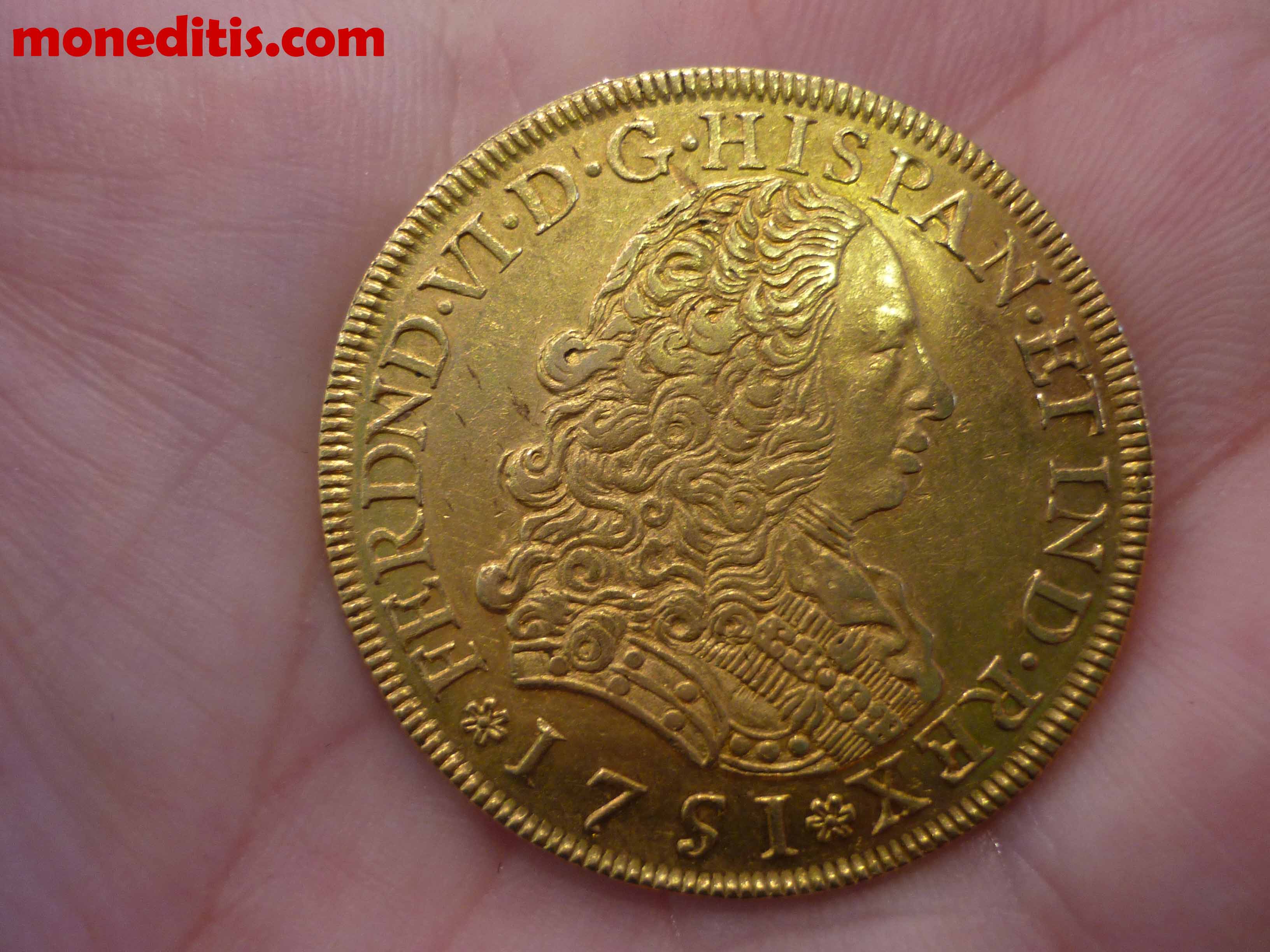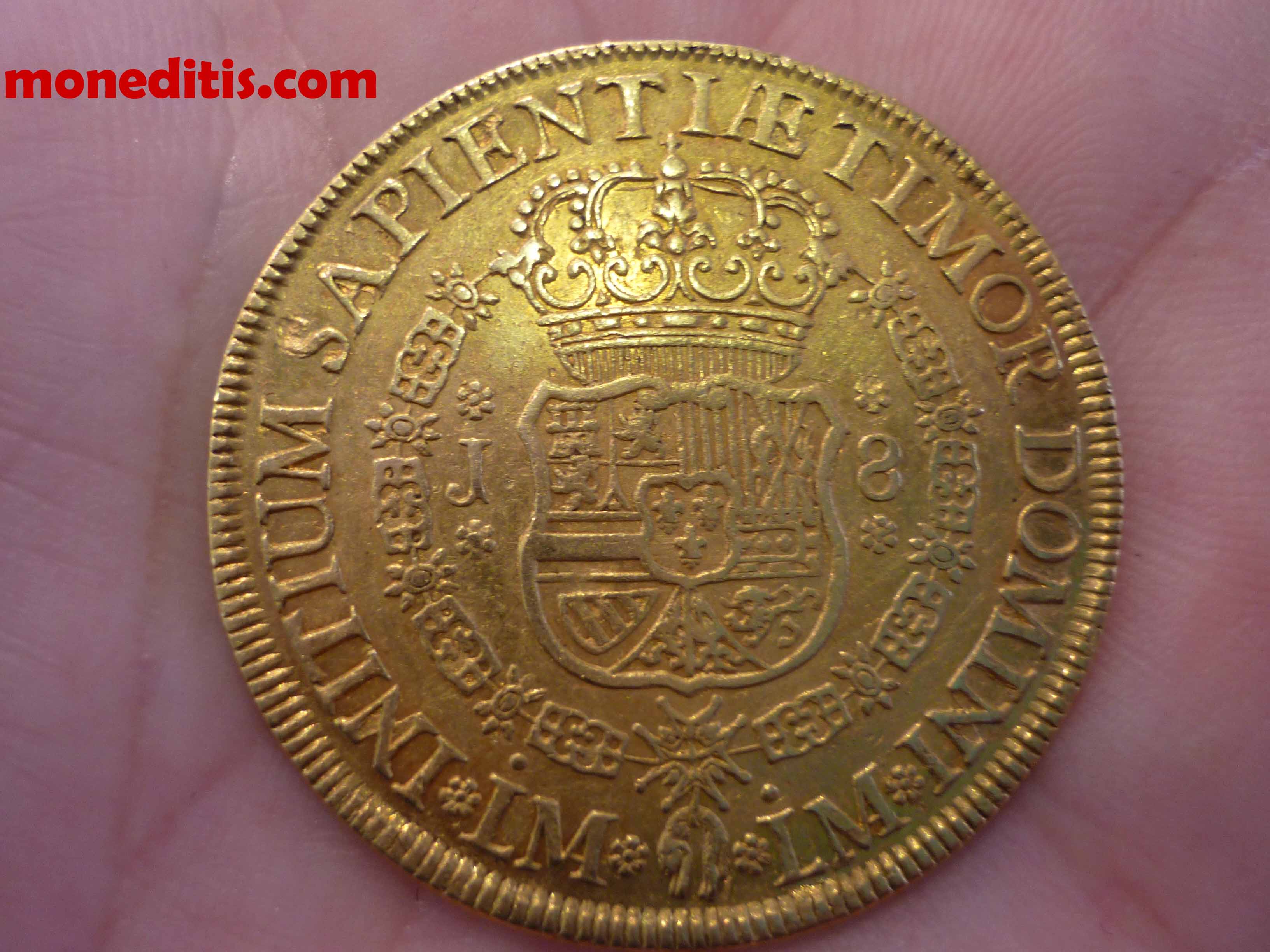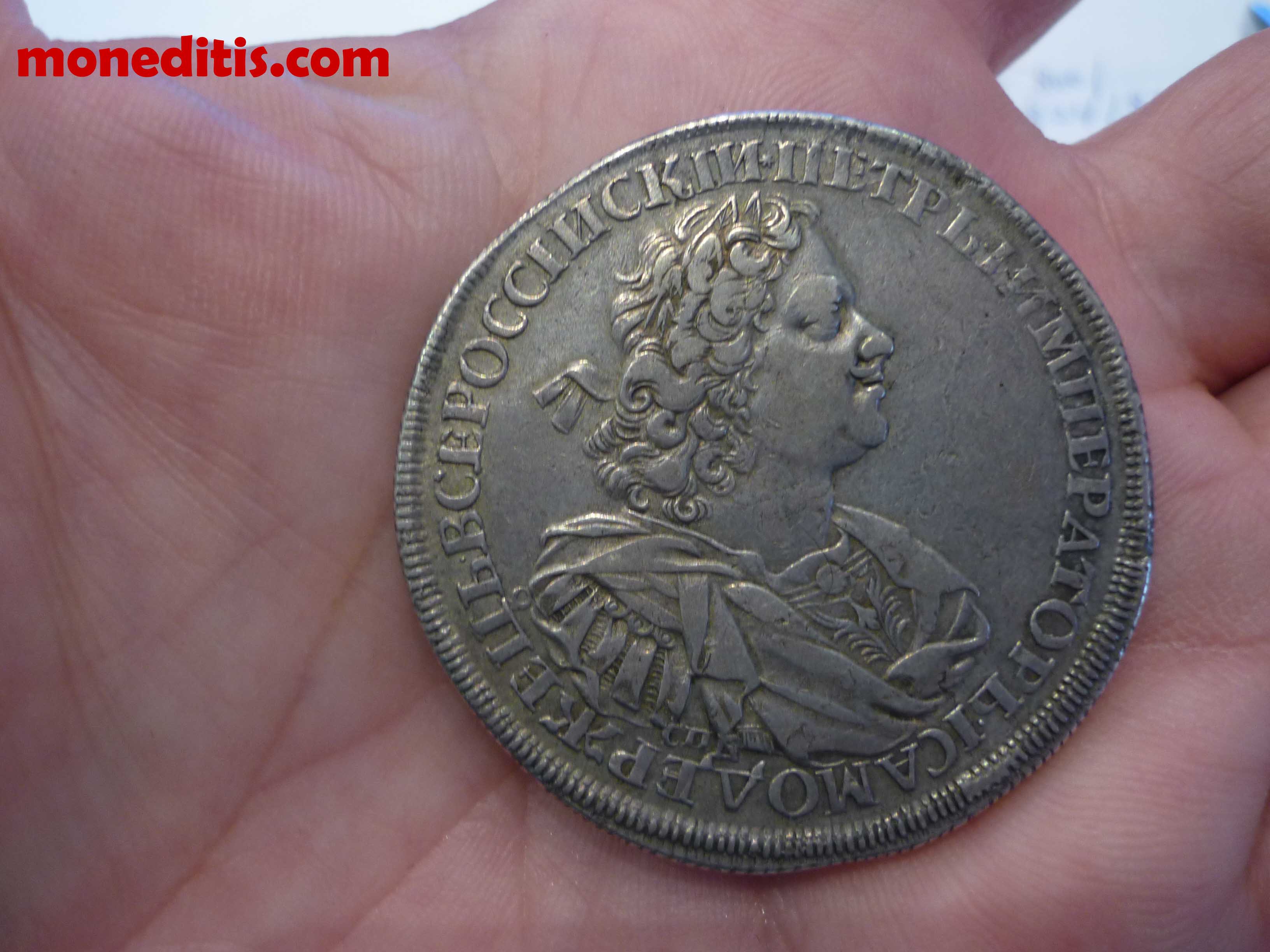
ecc2015 (III) Sábado 21

Por fin es sábado, día esperado por todo comerciante presente aquí para ver público, compradores finales. Efectivamente, de 12 a 13:30 ha habido movimiento, aunque menos del deseado,como casi siempre.

8

Intereses diversos con un denominador común: «poca pasta». A finales del mes de febrero poco se puede pedir y mucho temer: el final de la cuesta de febrero, la más empinada.

10

Gracias Fernando, Pablo y Antonio por hacerme hueco y disfrutar de vuestra compañía y animada conversación. Un placer. Mañana más 😉

9

Mañana último día (de 10 a 14 h) y consiguiente epílogo / recapitulación / balance de la feria

ecc2015 (II) Viernes 20

http://www.ecc2015.es/nota-de-prensa-y-programa/ : «el viernes 20 es el día expresamente dedicado a la Numismática, en el que además de los stands que estarán todos los días, se celebrará convención con mesas de todos los comerciantes que previamente se hayan inscrito, para mayor aliciente de los visitantes.»

Esto es lo que dice el programa y el calendario de convenciones 2015 http://www.panoramanumismatico.com/aenp_actualidad/calendario_de_aenp_2015_id1942.html , pero…

45

Me consta el cabreo de más de uno que hoy se ha acercado a la convención numismática, encontrándose este panorama

P11302047

Mario Mirman, Presidente de ANFIL y Comisario de ECC 2015 me remite a la A.E.N.P. y su falta de, digamos, compromiso. Cayón y Hervera no saben/no contestan. Los coleccionistas numismáticos, que son de los que viven los anteriores sujetos, mosqueados y hasta alguno indignado (textual)…pero no paaasa nááá (con acento «andalú») 🙂

Convención Europea del Coleccionismo Torremolinos 2015

«Una Convención “low cost” en todos los aspectos, y un concepto integral de feria-exposición-actividades». Hace un mes no había ni rastro en la web de esta 2ª Edición; ahora ya si. Desde hoy jueves hasta el domingo 22 de febrero, cuatro (4) días con sellos, monedas, billetes, postales,…

12

http://www.ecc2015.es/

Ya estuve el año pasado y fue un poco decepcionante. Este año hay más comerciantes locales y alguno extranjero. Mañana viernes hay convención AENP, de ahí que sea el día de la numismática. Cayón y Hervera tienen puesto, sólo faltaría…

———————————————————————————————–Ciudad         Stand Nº

BID TO BID España Granada 1
ESTEVE DOMENECH España Barcelona 2
FILATELIA J. MARIN España Barcelona 3
MARTI HERVERA España Barcelona 4
FILATELIA LLACH España Barcelona 5
EXPO GALERIA España Valencia 6
FILATELIA HERNANDO COLÓN España Sevilla 7
SOLER Y LLACH España Barcelona 8
ESTUDIO FILATÉLICO España Sevilla 9
SUBASTAS SEVILLA España Sevilla 10
DEUTSCHE POST (Correo Alemán) Alemania Alemania 11
FILATELIA CARRASQUILLA España Málaga 12
FILATELIA CARRASQUILLA España Málaga 13
CAYÓN NUMISMÁTICA España Madrid 14
MARCELO LEMBO “MINERALES DEL URUGUAY” España Barcelona 15
LEUCHTTURM ALBENVERLAG Alemania Alemania 16
Yves HENNEKINNE SARL Francia Francia 17
LEUCHTTURM ALBENVERLAG Alemania Alemania 18
TERRES AUSTRALES ET ANTARCTIQUES Francia Francia 19
TERRES AUSTRALES ET ANTARCTIQUES Francia Francia 20
TERRES AUSTRALES ET ANTARCTIQUES Francia Francia 21
PANORAMAS PHILATELIE Francia Francia 22
PANORAMAS PHILATELIE Francia Francia 23
PANORAMAS PHILATELIE Francia Francia 24
NUMISMÁTICA HÍSPALIS España Sevilla 25
FILATELIA RIOJANA España Logroño 26
FILATELIA CARMEN RODRÍGUEZ España Sevilla 27
FILATELIA SANTOS España Valladolid 28
NUMISMÁTICA DÍAZ España Málaga 29
NUMISMÁTICA DÍAZ España Málaga 30
FRANCISCO CORPAS – FUENGIROLA España Málaga 31
FRANCISCO CORPAS – FUENGIROLA España Málaga 32
FILATELIA NEUS – RIPOLLET España Barcelona 33
FILATELIA NEUS – RIPOLLET España Barcelona 34
FILATELIA GIMENO España Madrid 35
BOLSA FILATÉLICA España Madrid 36
FILATELIA PUERTA DE TOLEDO España Madrid 37
ARRILLIAGA FIL. España Madrid 38
SUBASTA DE FILATELIA España Madrid 39
CÍRCULO MADRID España Madrid 40
FILATELIA CASTILLA S.L. España Madrid 41
FILATELIA CASTILLA S.L. España Madrid 42
GALERÍA EUROPA España Alicante 43
GALERÍA EUROPA España Alicante 44
CÍA. ESP. COLECCIONISMO Y ANTIGUEDADES España Alicante 45
CÍA. ESP. COLECCIONISMO Y ANTIGUEDADES España Alicante 46
FILATELIA TABER España Barcelona 47
FILATELIA TABER España Barcelona 48
COLECCIONMANÍA España Logroño 49
SPARTAK COINS Rusia – España Rusia – España 50
NUMISMÁTICA REINA España Málaga 51
EL TRUEQUE TORREMOLINOS España Málaga 52
EL TRUEQUE TORREMOLINOS España Málaga 53
EL COLECCIONISMO MARIANO España Málaga 54
EL COLECCIONISMO MARIANO España Málaga 55
EL REY DE LAS POSTALES España Cádiz 56
NUMISMÁTICA INDALO, S.L. – RETAMAR España Almería 57
NUMISMÁTICA INDALO, S.L. – RETAMAR España Almería 58
NUMISMÁTICA INDALO, S.L. – RETAMAR España Almería 59

3

El tema central es el CENTENARIO DE LA REAL FEDERACION ANDALUZA DE FUTBOL. Varias Copas de Campeones. He saludado a unos cuantos conocidos, algunos terminando de montar por lo que lo mejor es molestar lo menos posible, dando una vuelta rápida por el Centro de Convenciones. Día tranquilo, aunque agitado a ratos por varios colegios / visitas estudiantiles. Ya veremos mañana qué tal va la cosa.

Distintos Euros Europeos

cho1

Y no es redundancia. Hay una «fiebre del oro» con el tema euros conmemorativos que, desde mi humilde punto de vista, no está justificada y en la que más de uno va a palmar pasta a raudales. A las «marías» de siempre, Vaticano, San Marino y Mónaco, ahora se une Andorra. Entre conmemorativas y de circulación de la Unión Europea son unas cuantas. Yo me pierdo, por lo que para recuperar el aliento y reflexionar adecuadamente uso estas

cho2

Si amigos; en la primera foto ya os daba alguna pista con la inscripción «CHOCO»  en los anversos de 1 y 2 euros. Con tiradas de millones de millones siempre acabo recurriendo a ellos en momentos de zozobra económico-intelectual 🙂

1851 50 US dollars California oktogonal

84,73 g. Au .887 Assayer: Augustus Humbert. San Francisco. Gold Rush

123

Nice and rare freemasonry? 50 $ coin

http://www.christies.com/lotfinder/lot/1851-augustus-humbert-us-1958429-details.aspx?intObjectID=1958429

http://www.christies.com/lotfinder/lot/1852-united-states-assay-1958435-details.aspx?pos=8&intObjectID=1958435&sid=&page=12&lid=1

Die notes: Octagonal format. Obverse with central motif of eagle perched on a rock, holding a shield, and in its beak a long ribbon inscribed LIBERTY. Above, a label or cartouche on which the fineness was stamped. Surrounding: UNITED STATES OF AMERICA, and below, D and C, to be stamped for values in dollars and, if applicable, cents (none are known with a cents imprint). Reverse with engine-turned design. Edge lettered: AUGUSTUS HUMBERT UNITED STATES ASSAYER OF GOLD CALIFORNIA 1851. Die state: Perfect dies. PCGS Data: The single finest of three examples from the S.S. Central America treasure certified by PCGS.The Humbert $50 «Slugs» In California in 1849 and early 1850, monetary matters were in a state of flux. Many different private issues-coins and ingots-had appeared under the imprints of Kohler; Norris, Gregg & Norris; Bowie; the Miners Bank; Baldwin & Co.; Moffat; and others. Some of these had intrinsic or melt-down values close to their stated face values, while others did not. Seeking to add stability to circulating gold coins, in September 1850 Congress authorized the secretary of the Treasury to contract with a well-established assaying business in California to affix the stamp of the United States to bars and ingots, to assay gold, and assign value to it. Moffat & Co., the most respected of the San Francisco coiners, and probably the one with the best «connections,» received the commission. Appointed to the position of United States assayer was Augustus Humbert, a New York City maker of watch cases, who arrived in San Francisco on January 8, 1851. Meanwhile, in preparation for the new franchise, in late 1850, Moffat & Co. curtailed most of their private business and prepared to issue coins under the government contract. New premises were secured on Montgomery Street between Clay & Commercial streets. While Moffat was preparing for issuing coins under the federal franchise, it issued no coins under its own imprint. The gap was filled with alacrity and enthusiasm by Dubosq, Baldwin, and Schultz-earlier discussed in the present catalogue. Not long thereafter, Moffat vanquished its competitors via James King of Wm. and the resultant smear campaign-also related earlier.$50 Slugs MintedThe production of federal coins, determined to be of $50 denomination, promised great profits for Moffat & Co. in early 1851. On February 14, San Francisco Prices Current contained an article relating to the $50 slugs, indicating their regular production was about to begin: «The above cut represents the obverse of the United States ingot, or, rather, coin, of the value of $50, about to be issued at the Government Assay Office. It is precisely of this size and shape…. The reverse side bears an impression of rayed work without any inscription. Upon the edges following: ‘Augustus Humbert United States Assayer-California Gold 1851.’… The fifty-dollar pieces will be of uniform value, and will be manufactured in the same manner as coins…. By order of the secretary of the Treasury these ingots and coin are to be received for duties and other dues to the United States government, and our bankers, we are advised, will receive them at their stamped value. This will produce an important change in the monetary affairs here, gold dust will immediately go up, and as a necessary consequence foreign and domestic [Eastern] exchange will be at a premium 5 to 7…» The Alta California commented on the new $50 pieces on February 21, 1851: «The new 50-dollar gold piece…was issued by Moffat & Co. yesterday. About three hundred of these pieces have already been struck off…. The coin is peculiar, containing only one face, and the eagle in the center, around which are the words ‘UNITED STATES OF AMERICA.’ Just over the eagle is stamped «887 THOUS.» signifying the fineness of the gold. At the bottom is stamped ’50 DOLLS.’ The other face is ornamented with a kind of work technically called engine-turning, being a number of radii extending from the common centre, in which is stamped, in small figures, ’50.’ Around the edge is stamped the name of the United States Assayer….» At the time, some of the pieces were inscribed 880 THOUS., while a few others were noted as 887 THOUS. (per the above newspaper account). Later varieties of $50 issues had the denomination marked «FIFTY DOLLS» and as part of the die inscription. These seem to have replaced the very early issues (such as the S.S. Central America coin offered in this lot) which had the value and fineness individually hand punched. From the preceding, it seems reasonable to conclude that the coin here offered was part of the group released on February 20, 1851, and that later pieces were all of the «DOLLS» type. In the first quarter of 1851 the Moffat-Humbert coiners produced $530,000 worth of pieces. This is equal to 10,600 $50 pieces. It further seems reasonable to assume that only a few of the style with the «50» value, «880» or «887» fineness, and eight edge segments hand stamped were made, and that late February and all March pieces were of the type with the value and fineness in the die and with reeded edge.Steps in Minting an 1851 $50Lettered Edge Type The large and impressive lettered edge $50 coins made in February 1851 were created by a very complicated process involving the following separate steps once the planchet was produced, quite possibly the most complex set of minting steps for any coin ever authorized by the American government (or any other kind of coin of which we are aware). Step 1. The obverse and reverse motifs were stamped from a pair of dies. These dies had been made in New York City by Humbert and brought with him to California. The obverse features an eagle holding a shield, perched on a rock, with a thin ribbon inscribed LIBERTY in its beak. Above is a blank ribbon suitable for inscription. The dies of this style were the work of Charles Cushing Wright. One pattern impression in copper is signed on the edge by Wright as «Wright fec,» for «Wright fecit» (Latin for «Wright made it»). Inscriptions on these patterns as well as the first octagonal ingots produced for circulation have simply the letters D C DWT. GRS. It was intended that the value in dollars and cents and the weight in pennyweights and grains could simply be stamped in the place provided. In this way ingots of $50, $100, $200, or any other desired denomination could be produced, differing from each other only by size, weight, and fineness, but incorporating the same stamp. · The reverse is of a geometric «engine turned» design similar to that used on a watch case, and reflects Augustus Humbert’s skill as a maker of such cases-one of the occupations he had followed in New York City. Steps 2-4. The fineness was hand-stamped on the obverse with three separate numeral punches. Finenesses known to have been thus applied include 880 (as usually seen) and 887. Steps 5-6. The value (50) was hand-stamped on the obverse, from two single punches. Steps 7-14. In eight separate operations each of the eight edge faces was stamped with a logotype punch, the eight punches reading incuse: AUGUSTUS HUMBERT UNITED STATES ASSAYER OF GOLD CALIFORNIA 1851. There was no particular starting or stopping place for the inscriptions, and the position of a given part of the inscription varies with relation to its position to design elements. The several specimens of this variety examined by the writer (QDB) in recent months as part of a numismatic study have each had the lettering inverted in relation to the obverse (this being true of the presently offered S.S. Central America example as well). Thus, it took at least 14 steps to create one of the early $50 pieces. Later coins with the fineness and value in the die and with reeded edge were struck in a single operation. Some had the denomination 50 stamped at the center of the reverse, an additional procedure.Additional Notes While the federal standard for gold coinage was 900 1000 fine, in San Francisco in 1851 this was difficult to attain with the refining processes then in use, and the Humbert coinage was of two finenesses, 800 and 887, the latter coins being slightly lighter in overall weight due to the smaller proportion of alloy. By 1852, coins of 900 fineness were being made, but other finenesses (884 and 887) were employed as well. The remaining alloy was native silver (whereas under the government standard, copper was used). Although the Humbert $50 pieces were clearly produced under government auspices, and although they were receivable for U.S. customs payments in San Francisco, in Philadelphia on April 23, 1851, Mint Director George N. Eckert perversely (it would seem) stated that while Augustus Humbert was the United States Assayer in California, his stamping of bars for owners of bullion did not make them legal tender.$50 Gold: Massett Writes Steven C. Massett, accomplished entertainer and co-owner and co-editor of the Marysville Herald, was in San Francisco on May 3, 1851 to give a concert. He later recalled what happened, this being the time of the great fire: «At the time T. Butler King, Esq., was collector of the port, and running for U.S. senator. Our paper supported his election, and the consequence was that a very ‘fat’ advertisement fell to the lot of the proprietors of the Marysville Herald, to the tune of $1,800, which amount was duly handed to me in octagonal fifty-dollar gold pieces, and which was lodged for safekeeping at the banking house of Burgoyne & Co., at the corner of Montgomery and Washington streets. «The deposit was made the day after my concert had taken place. Consequently I have about $2,500 ‘on call’ there at the time. «I was standing at the top of Clay Street, near Pike, when the fire was raging at its height. Block after block of buildings were caught in the fiery embrace. Union Hotel, [Jenny Lind] Theatre, El Dorado building-all were swept away, and at last the flames caught the Bank of Burgoyne & Co., whose building was considered fireproof. It was seemingly enclosed in sheets of flame, and many a heart quailed in expectation of losing every cent there deposited, for the heaviest accounts in the city were kept at this pet banking establishment. If my friend J.R.C. ever reads these lines, he will recollect the query I put to him, as to whether he though the place would stand! «On that night everybody slept in the open air, on the top of barrels, bales, or anything else-there did not seem to be the vestige of a house left. Utter desolation and despair reigned supreme. «About 10 o’clock on the following morning, George Plume, one of the firm, upon going to the safe (one of the celebrated Herring’s by the way) handed me my buckskin bag of gold, with even the sealing wax not melted! «So much for a good safe, and my luck!»

¡Vaya semanita!

No precisamente al estilo del programa de humor de etb. Ni tanto ni tan calvo. Y varias subastas en ciernes a mirar. ¡Un no parar!. Entre XRFs, encargos, euros andorranos, microscopías varias… ¡Tremendo!1

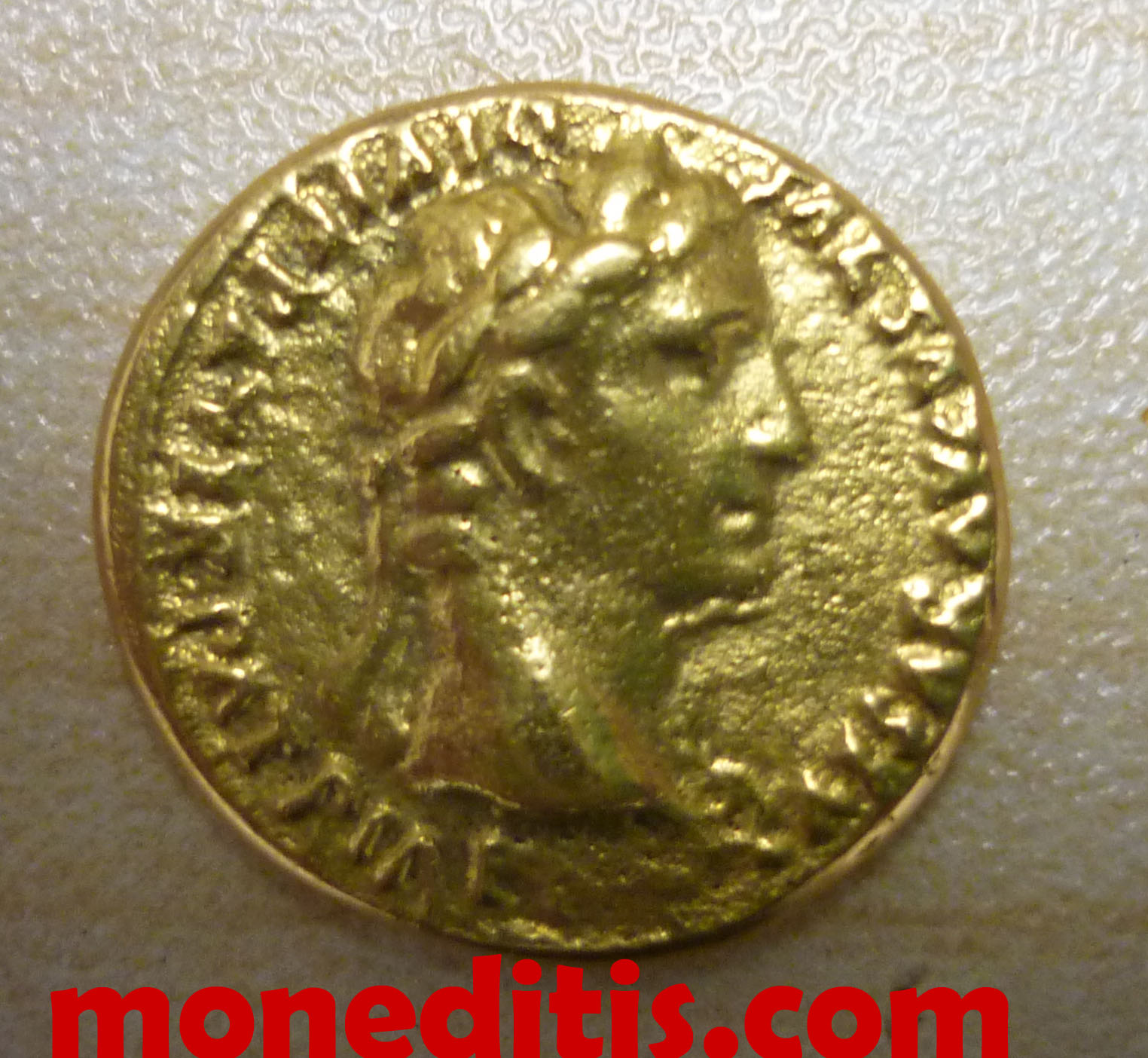
Este finde estoy repasando el material berlinés para añadir alguna entrada al respecto y no paro con el photoshop de «niquelar» varias maravillosas monedas…y otras no tan maravillosas. Como adelanto, aúreos, rublos y reales…pero poco a poco, que mañana es domingo y dentro de un rato tengo guateque.

¡Feliz San Valentín!

2 февраля 2015 выпуск памятных монет из драгоценных металлов

О выпуске в обращение памятных монет из драгоценных металлов

Банк России 2 февраля 2015 года выпускает в обращение памятные монеты из драгоценных металлов:

— серебряную номиналом 2 рубля, посвященную 100-летию со дня рождения пианиста С.Т. Рихтера серии «Выдающиеся личности России»;

— серебряную номиналом 25 рублей «Петровский Путевой дворец, г. Москва» серии «Памятники архитектуры России»;

— серебряную номиналом 25 рублей «Ярославский вокзал (Ф.О. Шехтель)» серии «Архитектурные шедевры России».

Серебряная монета номиналом 2 рубля (масса драгоценного металла в чистоте 15,55 г, проба сплава 925, каталожный № 5110-0138) имеет форму круга диаметром 33,0 мм.

С лицевой и оборотной сторон монеты по окружности имеется выступающий кант.

На лицевой стороне монеты в круге, обрамленном бусовым ободком, расположено рельефное изображение эмблемы Банка России — двуглавого орла с опущенными крыльями, под ним надпись полукругом «БАНК РОССИИ», а также по окружности имеются надписи, разделенные точками: номинал монеты — «ДВА РУБЛЯ» и дата — «2015 г.», между ними проставлены обозначение металла по Периодической системе элементов Д.И. Менделеева, проба сплава, товарный знак Московского монетного двора и масса драгоценного металла в чистоте.

На оборотной стороне монеты расположено рельефное изображение портрета С.Т. Рихтера и слева — контурного изображения фрагмента рояля, внизу слева имеются: надпись — «С.Т. РИХТЕР», ниже — даты «1915-1997».

Боковая поверхность монеты рифленая.

Монета изготовлена качеством «пруф».

Тираж монеты — 3,0 тыс. штук.

Серебряная монета номиналом 25 рублей «Петровский Путевой дворец, г. Москва» (масса драгоценного металла в чистоте 155,5 г, проба сплава 925, каталожный № 5115-0105) имеет форму круга диаметром 60,0 мм.

С лицевой и оборотной сторон монеты по окружности имеется выступающий кант.

На лицевой стороне монеты в круге, обрамленном бусовым ободком, расположено рельефное изображение эмблемы Банка России — двуглавого орла с опущенными крыльями, под ним надпись полукругом «БАНК РОССИИ», а также по окружности имеются надписи, разделенные точками: номинал монеты — «ДВАДЦАТЬ ПЯТЬ РУБЛЕЙ» и дата — «2015 г.», между ними проставлены обозначение металла по Периодической системе элементов Д.И. Менделеева, проба сплава, товарный знак Московского монетного двора и масса драгоценного металла в чистоте.

На оборотной стороне монеты расположены рельефные изображения Петровского путевого дворца, переплетенных начальных букв названия дворца и ниже на матовом поле — тройки лошадей, запряженных в сани с седоком на фоне людей, всадников и повозок с лошадьми, имеются: вверху надпись по окружности — «ПЕТРОВСКИЙ ПУТЕВОЙ ДВОРЕЦ», под изображением дворца надпись — «МОСКВА».

Боковая поверхность монеты рифленая.

Монета изготовлена качеством «пруф».

Тираж монеты — 1,0 тыс. штук.

Серебряная монета номиналом 25 рублей (масса драгоценного металла в чистоте 155,5 г, проба сплава 925, каталожный № 5115-0106) имеет форму круга диаметром 60,0 мм.

С лицевой и оборотной сторон монеты по окружности имеется выступающий кант.

На лицевой стороне монеты в круге, обрамленном бусовым ободком, расположено рельефное изображение эмблемы Банка России — двуглавого орла с опущенными крыльями, под ним надпись полукругом «БАНК РОССИИ», а также по окружности имеются надписи, разделенные точками: номинал монеты — «ДВАДЦАТЬ ПЯТЬ РУБЛЕЙ» и дата — «2015 г.», между ними проставлены обозначение металла по Периодической системе элементов Д.И. Менделеева, проба сплава, товарный знак Санкт-Петербургского монетного двора и масса драгоценного металла в чистоте.

На оборотной стороне монеты на матовом поле расположены рельефные изображения портрета архитектора Ф.О. Шехтеля и Ярославского вокзала в г. Москве и ниже выполненное в цвете изображение капители, под портретом имеется надпись в три строки — «ФЕДОР ОСИПОВИЧ ШЕХТЕЛЬ».

Боковая поверхность монеты рифленая.

Монета изготовлена качеством «пруф».

Тираж монеты — 1,0 тыс. штук.

Выпускаемые монеты являются законным средством наличного платежа на территории Российской Федерации и обязательны к приему по номиналу во все виды платежей без всяких ограничений.

+ Andorra / Andorre

Es impresionante el lío montado con los euros de Andorra.

Como dije anteriormente, al stand de Andorra en la World Money Fair no se presentó nadie, por lo que retiraron los «títulos». Carterillas a 150 eyrípides en diversos comerciantes y aquí paz y después gloria.

A mi vuelta, colas en el BdE en Madrid y chascarrillos diversos aquí http://www.imperio-numismatico.com/t91422-euros-andorra aquí http://www.imperio-numismatico.com/t93264-bancos-de-espana-2015-monedas-en-cada-uno-andorra-tambien  y aquí  http://www.reversoyanverso.com/viewtopic.php?f=6&t=932 …y todo por esto

2

Por supuesto faltan las monedas de 1 y 2 céntimos, con tiradas de 200.000 para cada denominación y parece que reservadas para la circulación local.

No hago euros pero de esta quizá me ponga jeje. Suerte.

ps Hoy miércoles día 11 he visto comprobar con imán una a una 150 monedas de 1 y 2 euros  para confirmar autenticidad. Si se pegan son buenas 😉

Andorra, Banco de España y largas colas

Este aspecto tenía esta mañanita la ventanilla número 22, 23, 24 o 25, no me acuerdo exactamente, del Banco de España en Madrid. La 26 (ampliando la foto se lee)

2

Y la cola continuaba un trecho hacia atrás…Y todo por esto

1

En la cola, charla animada con colegas de foro y con despistados que pasaban por alli y viendo el mogollón de gente se acercaban. Hasta un Guardia Civil se ha dado una vuelta…No parecía de la UDEF  😉

3