Seguimos con las entradas conmemorativas por los diez (10) años del blog
Venimos de aquí: https://moneditis.com/2024/08/06/10-anos-2018-2/
https://moneditis.com/2024/07/12/10-anos-2018-1/
https://moneditis.com/2024/06/23/10-anos-2017-5/
https://moneditis.com/2024/06/01/10-anos-2017-4/
https://moneditis.com/2024/05/25/10-anos-2017-3/
https://moneditis.com/2024/04/27/10-anos-2017-2/
https://moneditis.com/2024/04/11/10-anos-2017-1/
https://moneditis.com/2024/03/22/10-anos-2016-4/
https://moneditis.com/2024/01/25/10-anos-2016-3/
https://moneditis.com/2024/01/25/10-anos-2016-2/
https://moneditis.com/2024/01/25/10-anos-2016-1/
https://moneditis.com/2023/12/16/10-anos-2015-5/
https://moneditis.com/2023/12/08/10-anos-2015-4/
https://moneditis.com/2023/11/25/10-anos-2015-3/
https://moneditis.com/2023/11/18/10-anos-2015-2/
https://moneditis.com/2023/11/04/10-anos-2015-1/
https://moneditis.com/2023/10/28/10-anos-2014-4/
https://moneditis.com/2023/10/14/10-anos-2014-3/
https://moneditis.com/2023/09/30/10-anos-2014-2/
https://moneditis.com/2023/09/16/10-anos-2014-1/
https://moneditis.com/2023/08/30/10-anos-2013/
Vamos a por la vigésimo segunda (22) entrada conmemorativa; el enlace inferior conecta con la parte del blog tratada, a partir de junio del 2018
https://moneditis.com/page/34/

Madrid y Costa del Sol (mercadillos y convención). ¡Llegando el verano de 2018!
Tras entrada sobre la Convención Numismática Internacional en Madrid el 15 y 16 de junio y el Mundial de Fútbol en Rusia – monedas y billetes – unos reales de a ocho (8) falsos
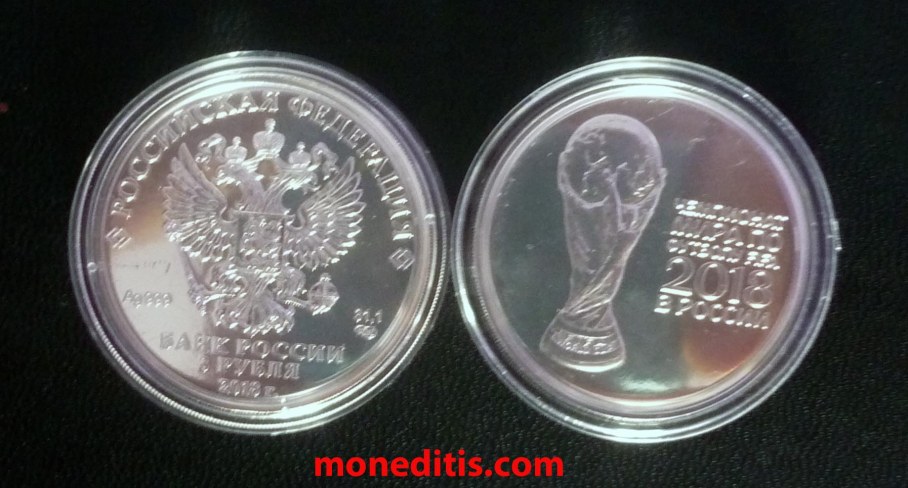
https://moneditis.com/2018/06/20/8-reales-1803-lima-falsos/
Estos ocho reales limeños de Carlos IV 1803 tienen toda la pinta de ser falsos, en el sentido de no haber sido acuñados por la Corona Española sino, muy probablemente, por los hijos de la Gran Bretaña en Birmingham y/o Sheffield

Posteriormente, entradas sobre subasta con columnario limeño, libro veraniego – la leyenda del ladrón, Juan Gómez-Jurado – y entrada sobre criptomonedas y su coleccionismo

https://moneditis.com/2018/07/10/coleccionar-cryptocurrencies-criptomonedas/
Expongo mis dudas sobre la viabilidad de muchas «shitcoins» de la época…algunas desaparecidas en la actualidad
Más entradas: simetría – La ecuación jamás resuelta , Mario Livio – y más reales de a ocho

https://moneditis.com/2018/07/28/agosto-canicular-8-reales-i/

Estimate: 50’000 USD | Starting price: 25’000 USD
Danish Asiatic Company. Christian VII Trade Piastre 1777 AU55 NGC, Kongsberg mint, KM639.2, Dav-412, Salvesen-52. An extraordinary offering that features the crowned arms of Denmark, Norway, and Sweden across the obverse. The reverse presents the crowned, globe-shaped arms of Denmark and Norway between two pillars with the island names of ISLAN, GRÖNLAN, and FERÖ below. Thick, cobalt-dove patina covers the entirety of the planchet, with cordovan coloring at the legends and original luster that gleams from the expanses. The strike has been rendered with authority and any effects of handling remain well concealed beneath the darkened patination. Struck for trade in the Orient, the design of this historically important «Greenland Dollar» was inspired by the Spanish colonial pillar 8 Reales, and was issued in the year that the Danish Asiatic Company ceded Asian trade rights to the Danish crown. A scarce offering in total, with Salvesen reporting a mintage figure of 21 known pieces, 12 of which are in museums. Ex. Millennia CollectionHID05401242017
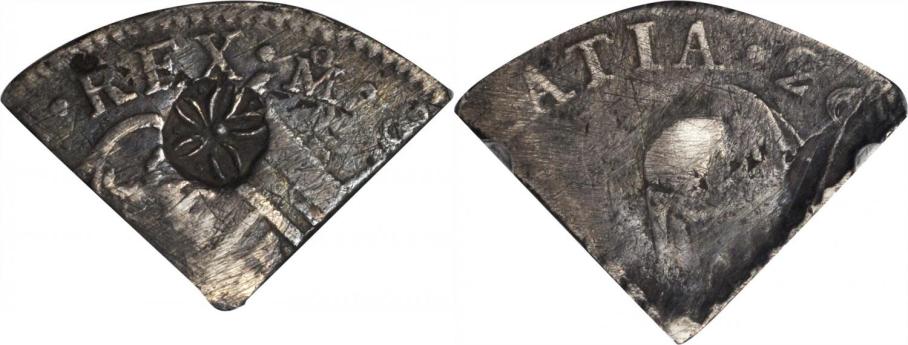
CURACAO. 3 Reaals (18 Stivers or Guillotine), ND (ca. 1800-01). PCGS Genuine–Tooled, Fine Details Secure Holder.
6.60 gms. KM-7; Prid-pg. 251 Fig. 25; Scholten-1368a. «Star» or Rosace of five petals countermark applied to reverse of a cut 1/4 Dollar with crenated edges of 1793-MoFM bust 8 Reales of Charles IIII(IV). During the governorship of J. K. Lauffer small silver coinage was obtained by cutting whole Spanish Dollars into quarters. A quantity of 7,000 Dollars were cut into equal parts by goldsmith H. J. Hoyer and were declared current at 3 Reaals or 18 Stivers. The local name given to these as referred to in public notices was «Guillotinos». A public notice of 3rd March 1801 warned against forgeries. VERY RARE and very interesting, much more so than the later more common British occupation issues of cut 1/5 Dollars. It should be noted that the indent on the reverse next to the date is identical to the example plated in Fred Pridmore’s ground breaking work «The Coins of the British Commonwealth of Nations Part 3 West Indies». The countermark is well placed and bold. Though the holder indicates tooling this is not accurate, numerous scratches are present on both the obverse and reverse from long ago now toned over. The date and KM number listed on the PCGS insert are incorrect. Dark gray to charcoal toning throughout with hints of blue that pop out when tilted in the light. Another treat for the specialist of West Indies cut and countermarked issues. Countermark VF Details, host coin
PCGS Genuine–Tooled, Fine Details Secure Holder.
y II https://moneditis.com/2018/08/07/agosto-canicular-8-reales-ii/
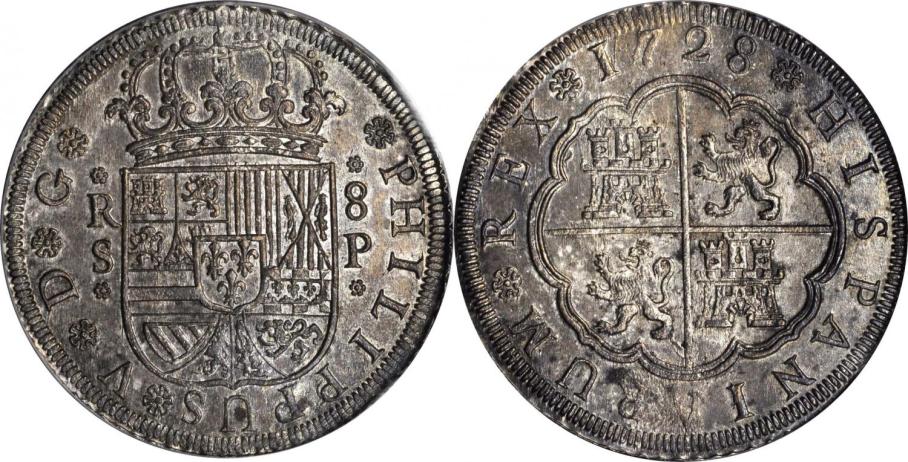
y III https://moneditis.com/2018/08/14/agosto-canicular-8-reales-iii/
Entradas posteriores sobre la Plaza mayor de Madrid, FAO y termino esta entrada con un ponderal de 8 reales de Felipe V, concluyendo también el verano

https://moneditis.com/2018/09/05/ponderal-8-reales-felipe-v/
Lo dejo aquí; 5 de septiembre de 2018
https://moneditis.com/page/33/
Comenzaré la cuarta (4ª) entrada sobre este 2018 con coleccionables – Historia de la Peseta


 moneditis real deaocho