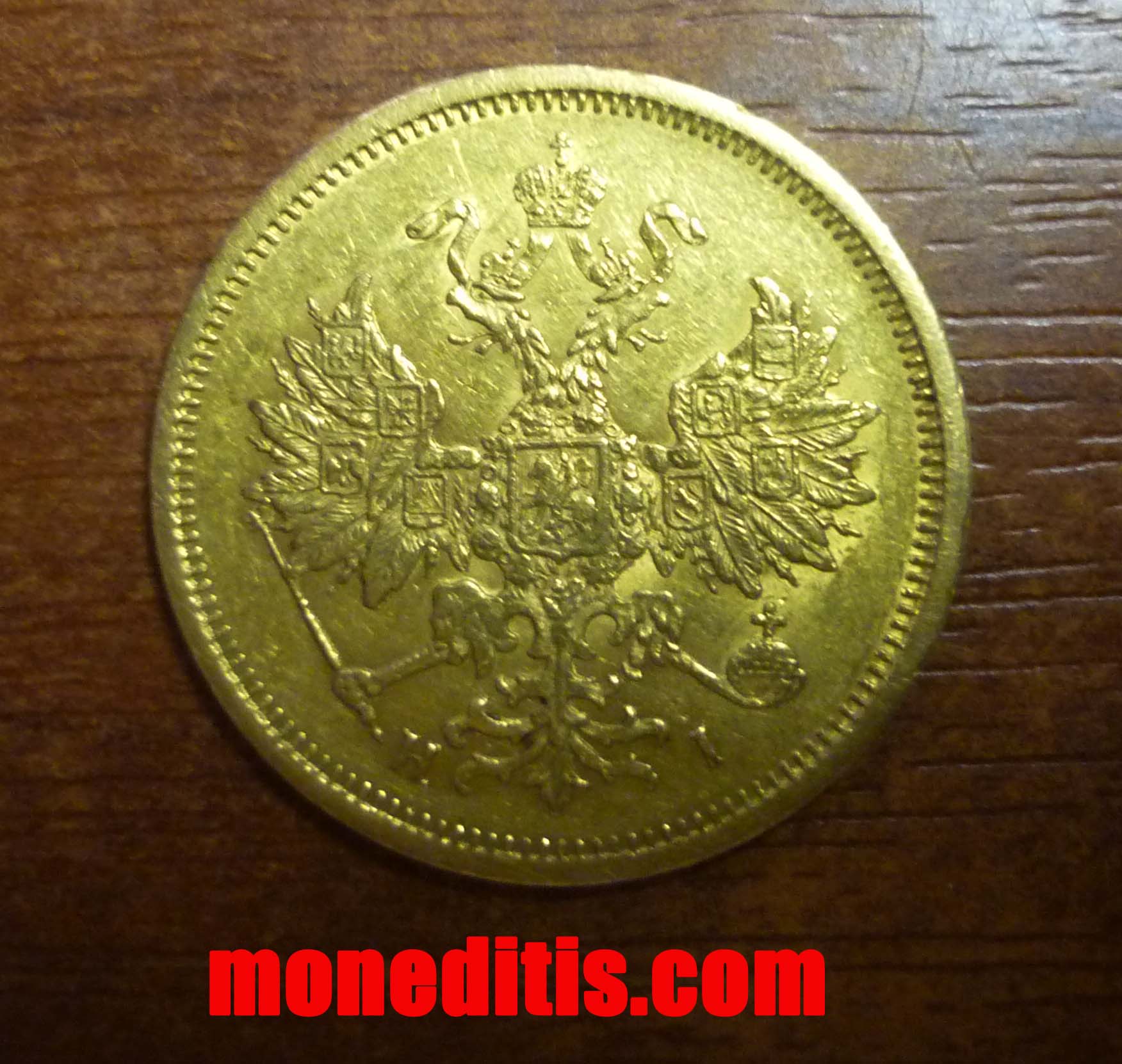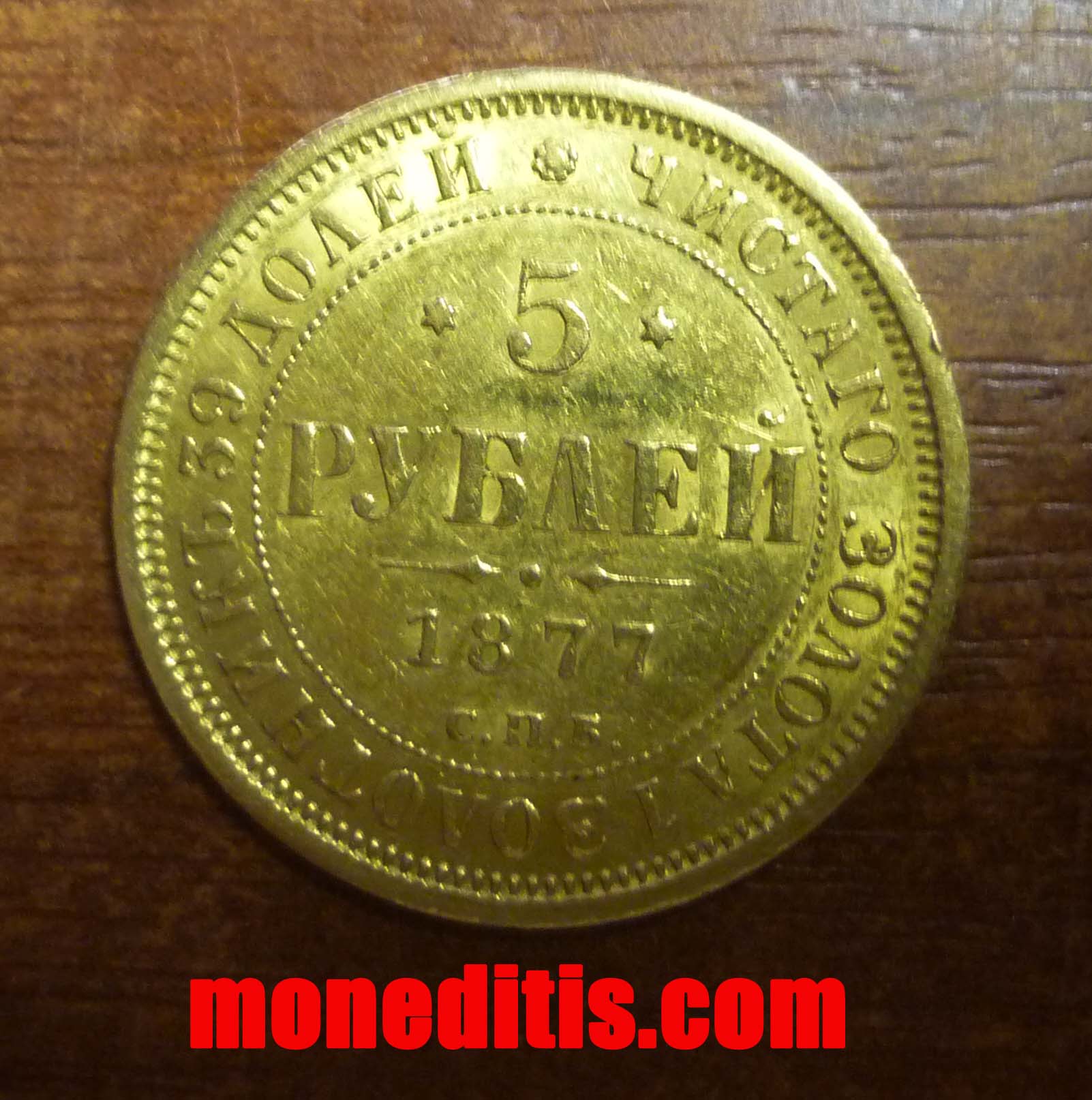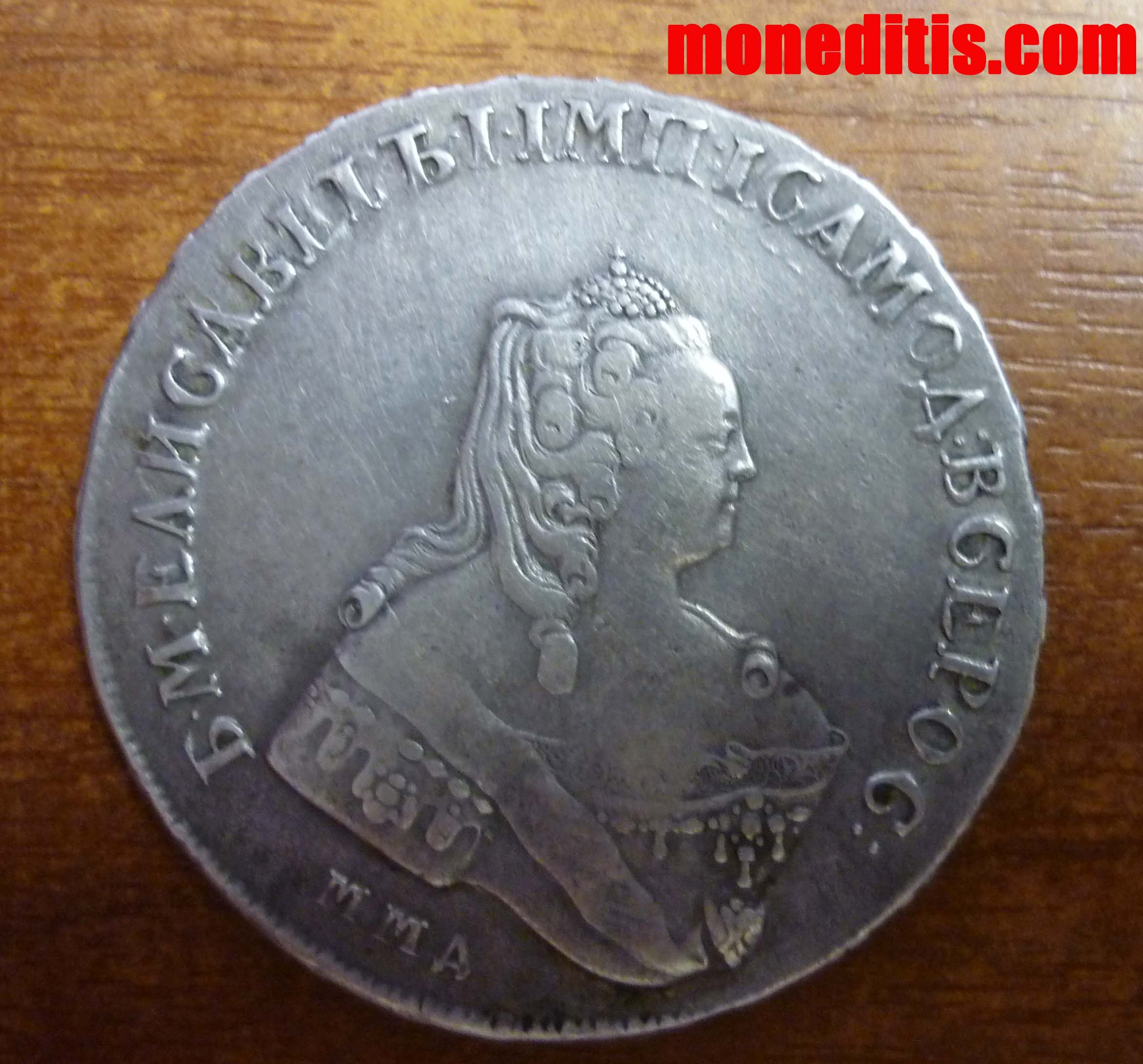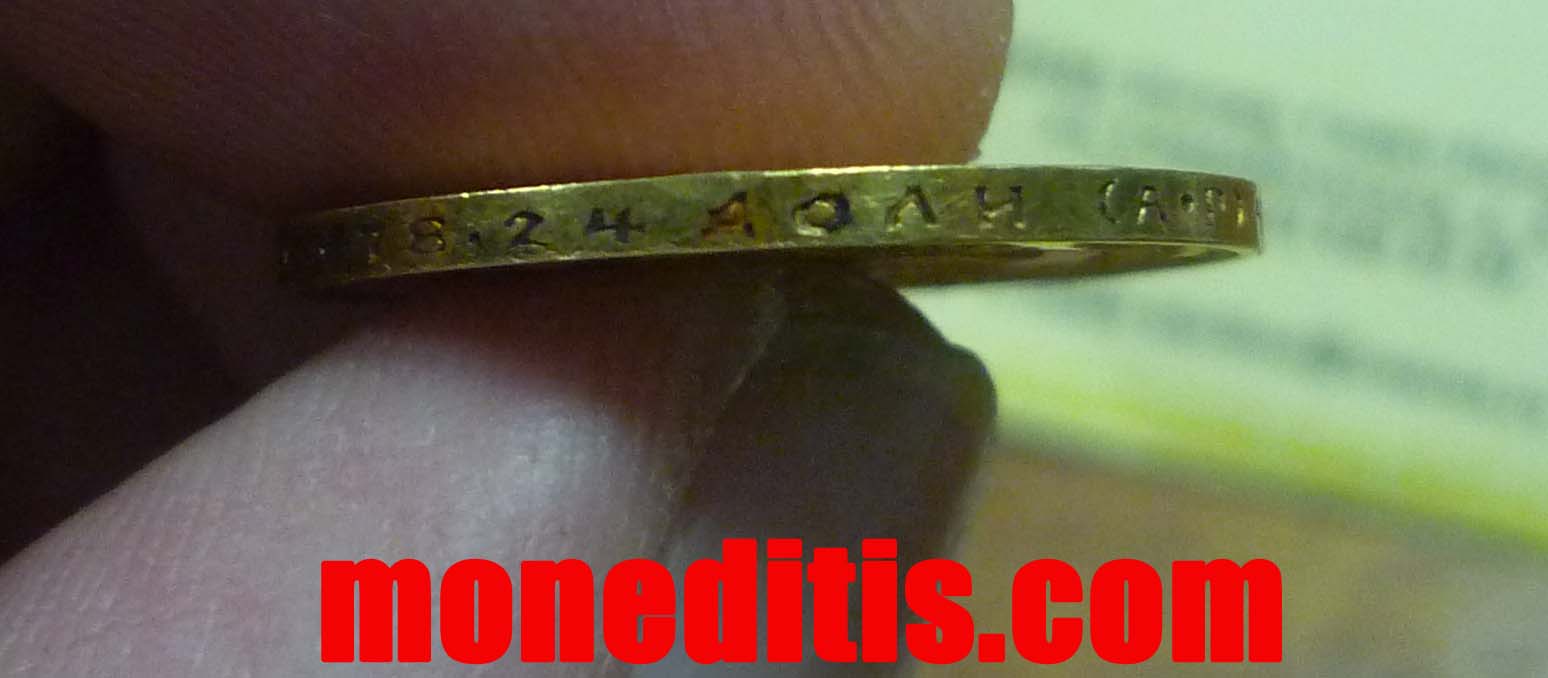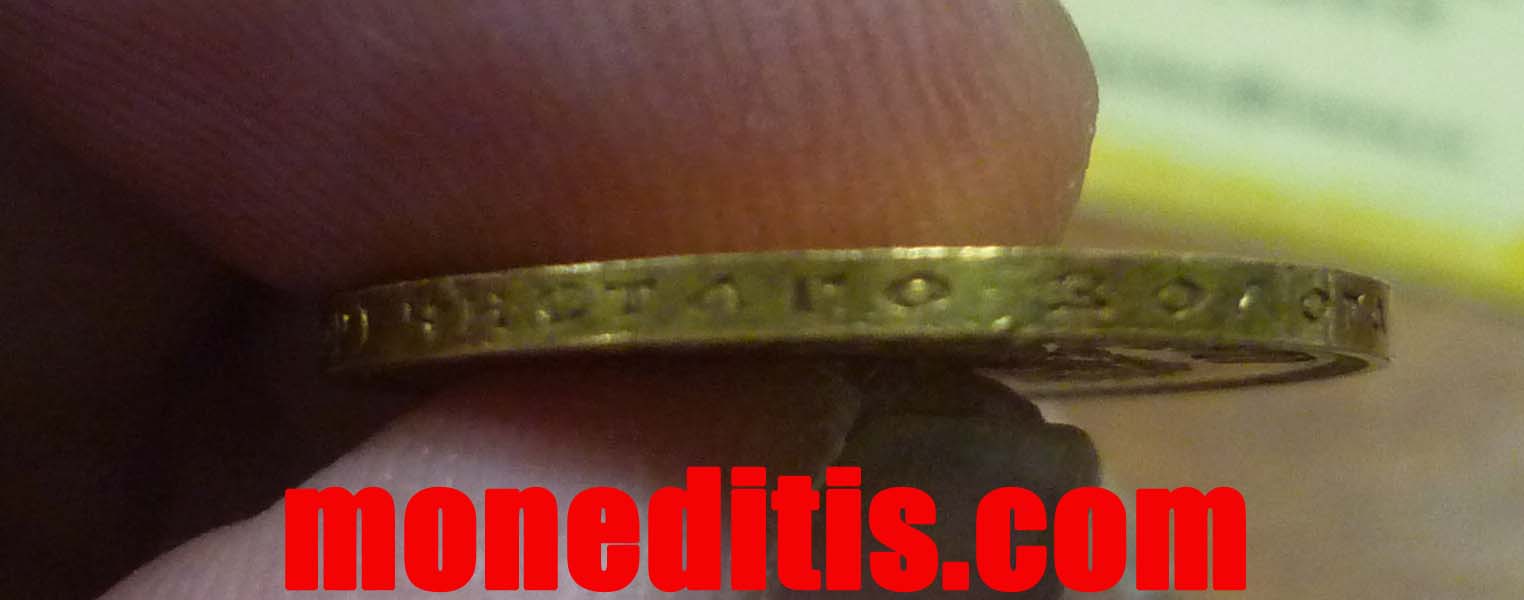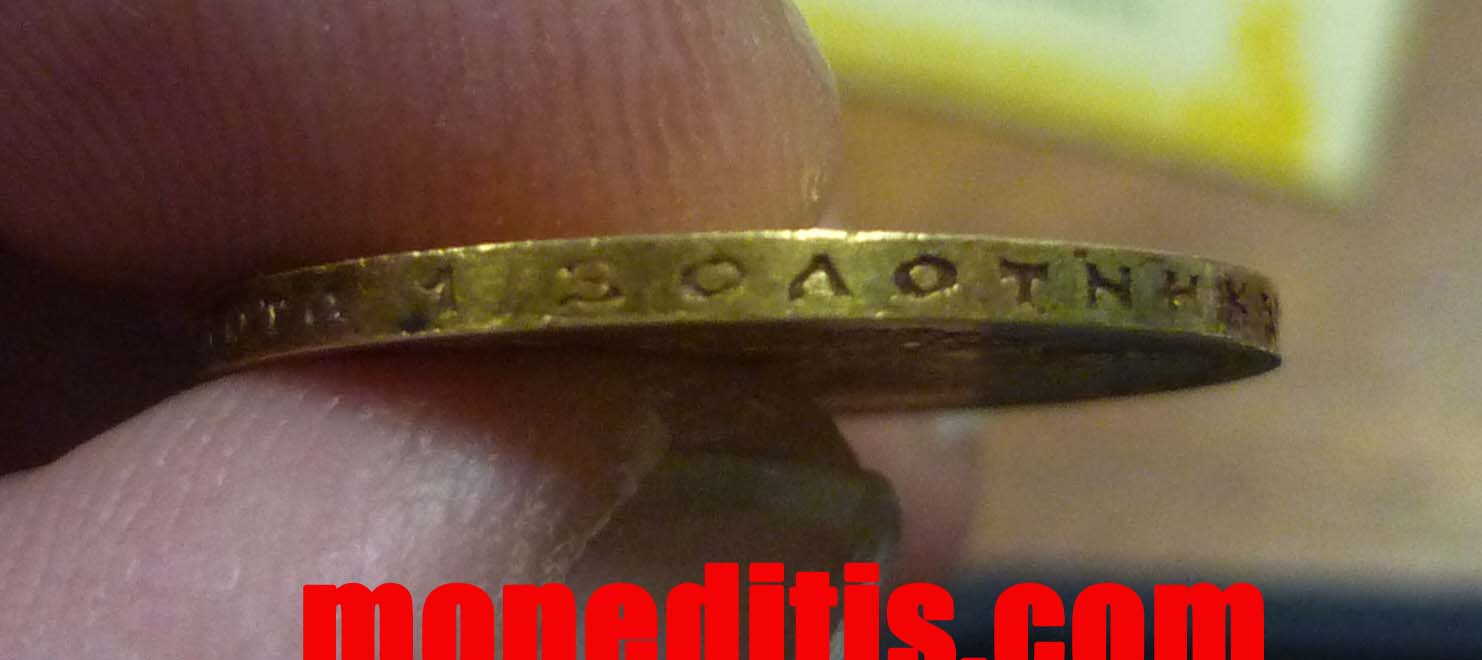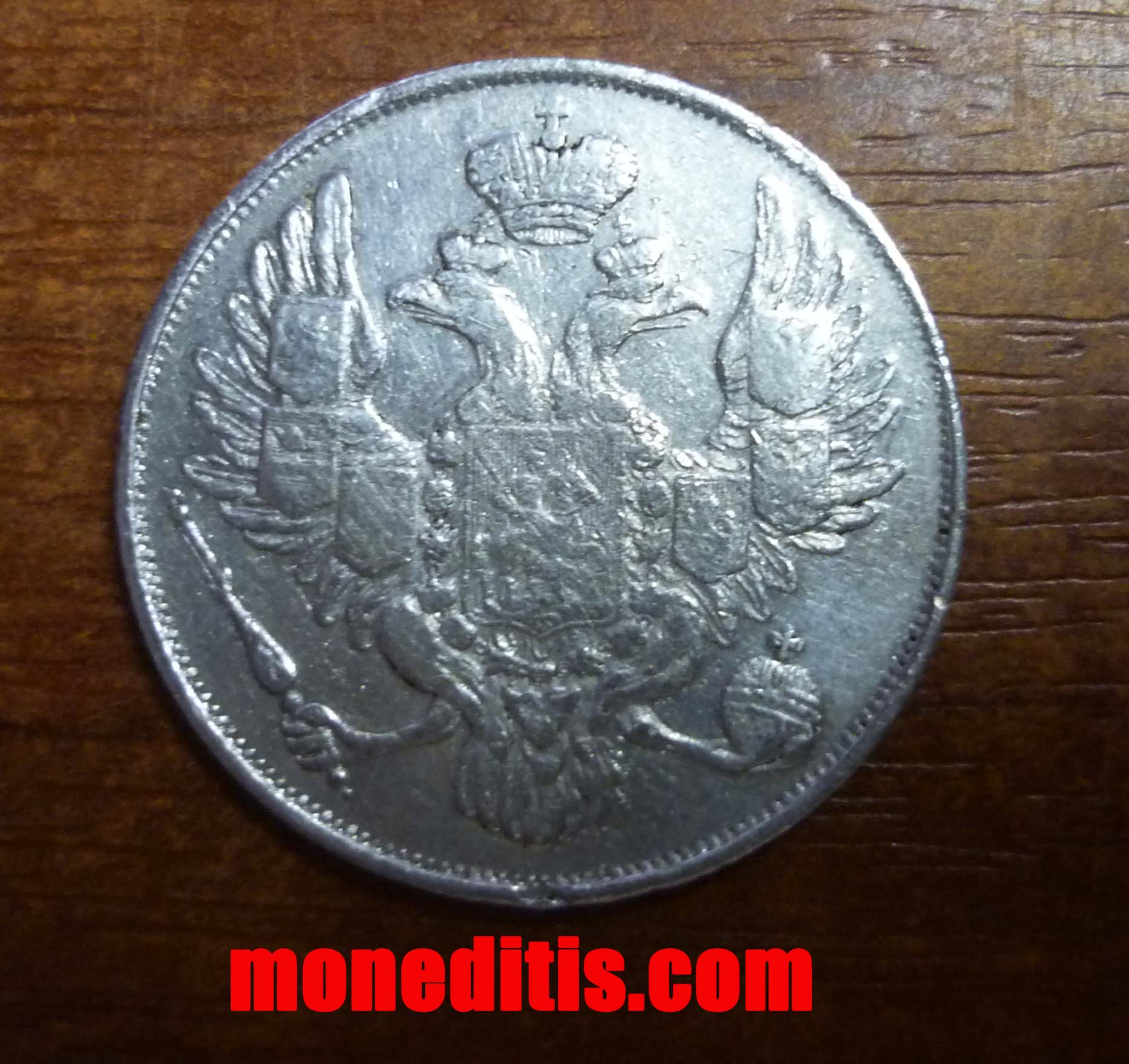
8 reales Nuevo Reino

Me ha parecido interesante este tipo, ceca y sobretodo año. Su explicación sobre la moneda merece la pena.

2310438.m (1)

http://www.acsearch.info/search.html?term=8+reales+1762+nuevo+reino&category=1-2&en=1&de=1&fr=1&it=1&es=1&ot=1&images=1&currency=usd&order=0&company=

Lote 458 de la subasta de Ponterio & Associates Enero 2015 NYINC Auction

UNIQUE Discovery Date Nuevo Reino (Bogota Mint) Pillar Dollar
COLOMBIA. 8 Reales, 1760/59-NRJV. Charles III (1759-88). NGC AU-58.
KM-39 (for type, unknown date); FC-unknown; Cal-Type-108 (unknown date); cf.Gil-SF-8-2 (unknown date); Restrepo-Type-44 (unknown date). UNIQUE discovery coin. The fact that pillar dollars were minted at the Nuevo Reino Mint (Bogota) in 1760 has been known through numismatic literature for quite some time. Page 50 of A. M. Barriga Villalba’s reference «Historia de las Casa de Moneda» states that in 1760, 2,008 Marcos, 6 Onzas, and 0 Ochavas of silver were minted in the form of Pesos (8 Reales), 1 Reales, Medio (1/2 Reales) and Cuartillas (1/4 Reales). However, it is unknown how this is broken down for each of the corresponding denominations. The existence of minor coinage dated 1760 has been known to the numismatic community for quite some time. Approximately a dozen examples of 1760 1 Reales are known, while the 1/2 Real remains unique. The 1/4 Reales it is a different matter, as the Colombian dies for the Cuartillas denomination did not contain a date at this time. Furthermore, Cuartillas were struck each consecutive year from 1759-1771 (with the exception of possibly 1770); therefore, assigning a specific date to them is not possible. Previous to the discovery of this coin, only three dates were known of Pillar 8 Reales produced by the Nuevo Reino Mint (1759, 1762 and 1770). It is estimated that approximately 15 examples of the 1759 8 Reales are known today (See Restrepo pg.113), although this number may be as high as 20. Of the 1762 8 Reales, only two examples can be confirmed, one of which (Restrepo and Barriga Villalba plate coin) is housed in the Museum of the Casa de Moneda Bogota. The second example (Ex: Don Domingo de Irigoyen, Ex: Don Canaparo and Gilboy plate coin) was sold by Numismatica Ars Classica in March of 2002, Auction #22, lot #334 where it hammered for 260,000 Swiss Francs. There are rumors that a third example may exist, however this remains unconfirmed. In regards to the 1770 8 Reales, there are approximately 12 to 14 pieces known (Restrepo pg.120), all of which were found in the corner stone of a Church in Bogota in 2006. Prior to this discovery, 8 Reales dated 1770 were unknown to numismatists, even though there is a known mintage of 289 Marcos, 6 Onzas, and 0 Ochavas (see Barriga Villalba pg. 50). Unlike the Spanish Colonial mints located at Mexico City, Potosi, Bolivia and Lima, Peru, the mint of Nuevo Reino was not known for large outputs of silver coinage. All Colombian silver from this period was minted in small quantities and should be considered RARE. Unlike Mexico, Bolivia, and Peru, which were rich with silver mines, Colombia was not. To the contrary, the mines in Colombia were abundant with gold from which silver was a byproduct. Most of the silver coinage produced at the Nuevo Reino mint was a result of excess metal that was extracted while refining gold. When enough slag silver was extracted, it was then collected and made into coinage. For this reason there are large gaps in the dates that 8 Reales were minted. It is interesting to note that mintage figures do exist, stating that 8 Reales were produced in 1756 and 1761, however no example are known to have survived today. The unique 1760 8 Reales offered here features a few interesting and distinct features. First and foremost the piece exhibits a clear overdate 1760/59 (the only known overdate for a Colombian Pillar 8 Reales). While there are multiple dies known for the 1759, the pillar side die is an exact die match to lot #296 in the July 1996 Bonhams auction of the Alexander Patterson Collection. The assayers initials on the 1760 are arranged «JV» similar to that of the 1759 Nuevo Reino 8 Reales of Ferdinand VI. For all other Nuevo Reino 8 Reales of Charles III (1762 and 1770), the assayers letters are arranged «VJ», showing in the opposite order. The pillar side die features yet another variant with a large «V» in the spelling of the kings name «CAROLVS», rather than «CAROLUS» as found in 1762 and 1770. A remarkable and UNIQUE discovery piece that is sure to be one of the centerpieces of its new owner’s collection.
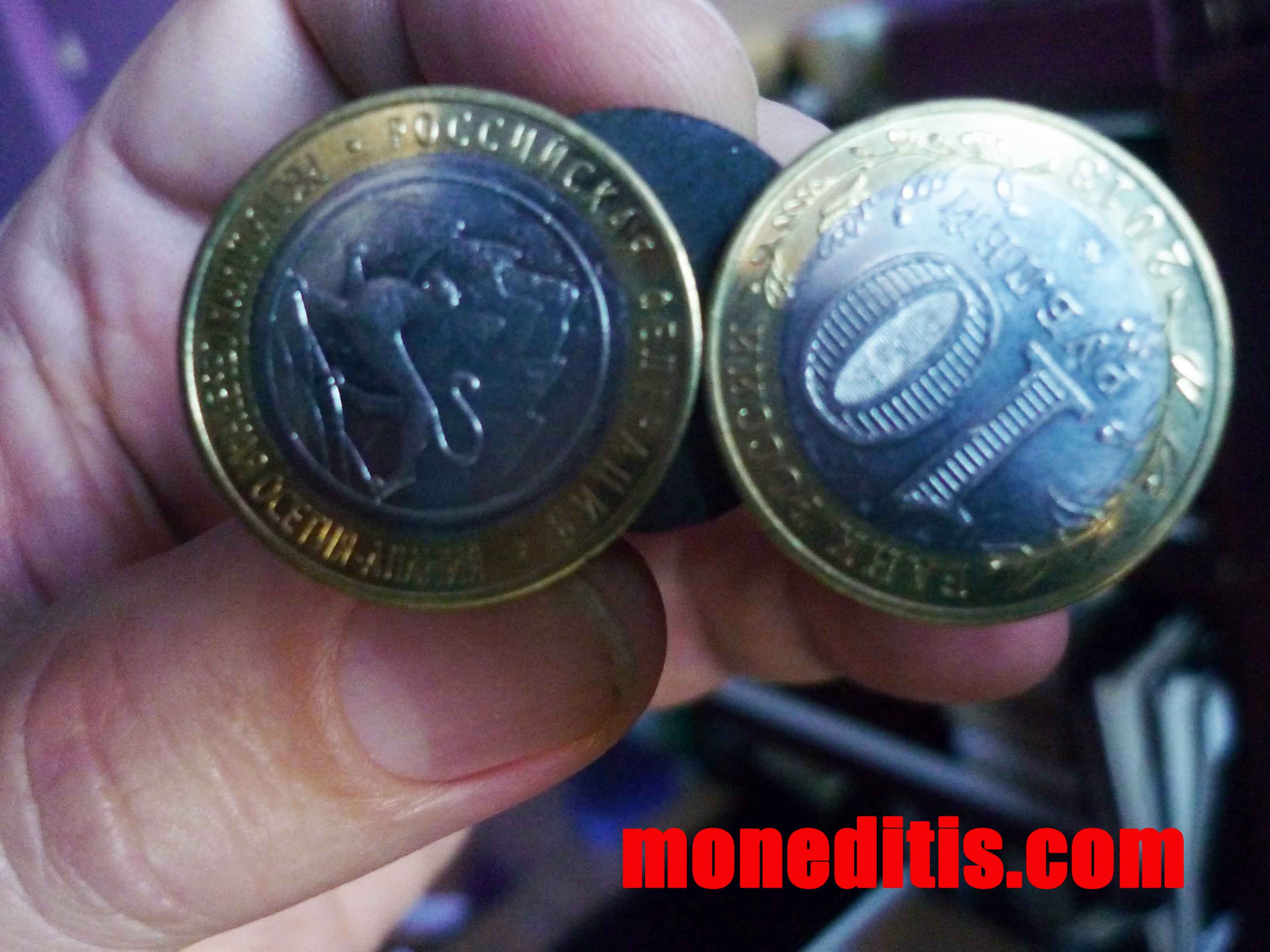
NGC AU-58.
PCGS# 717467.

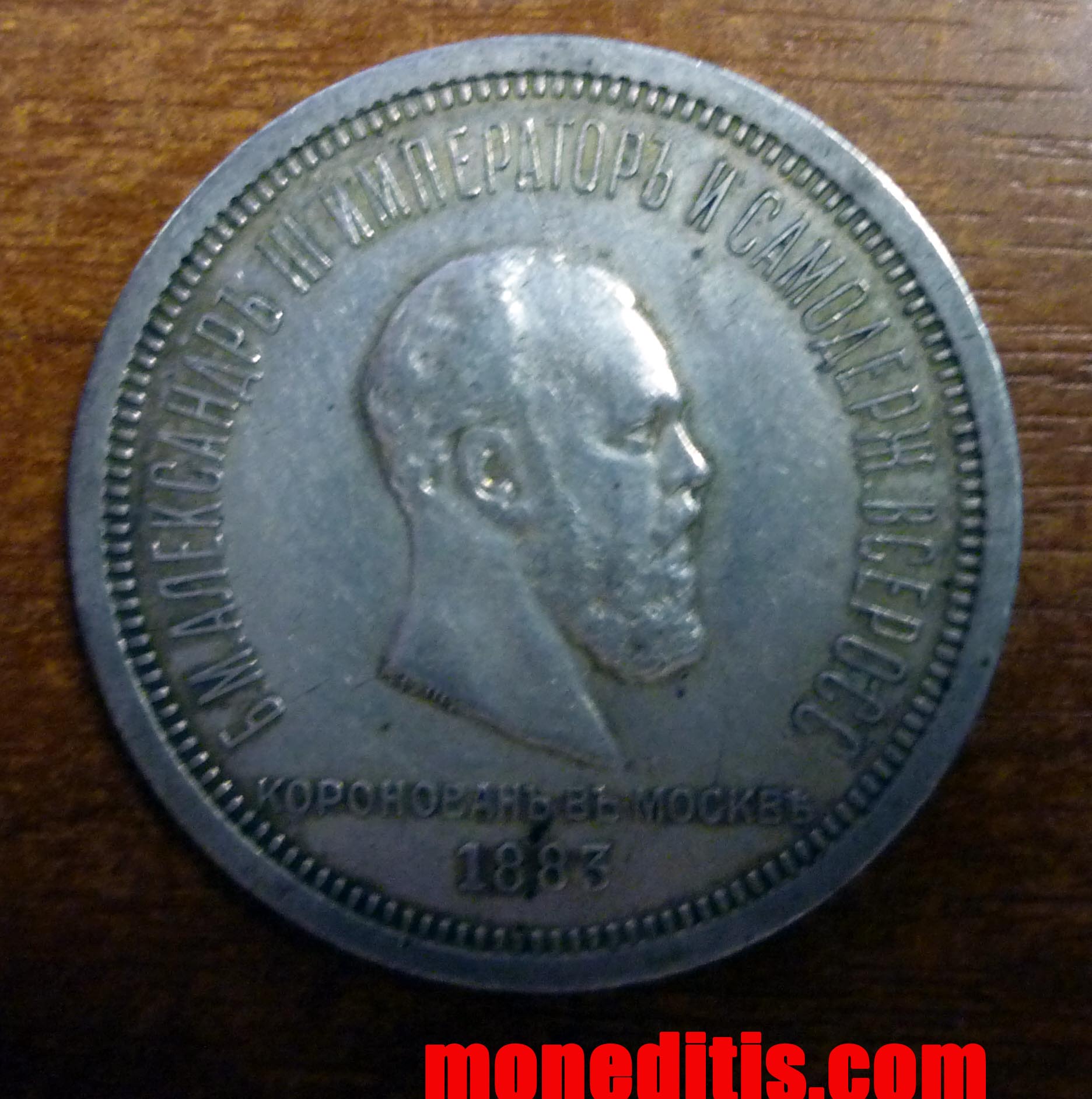
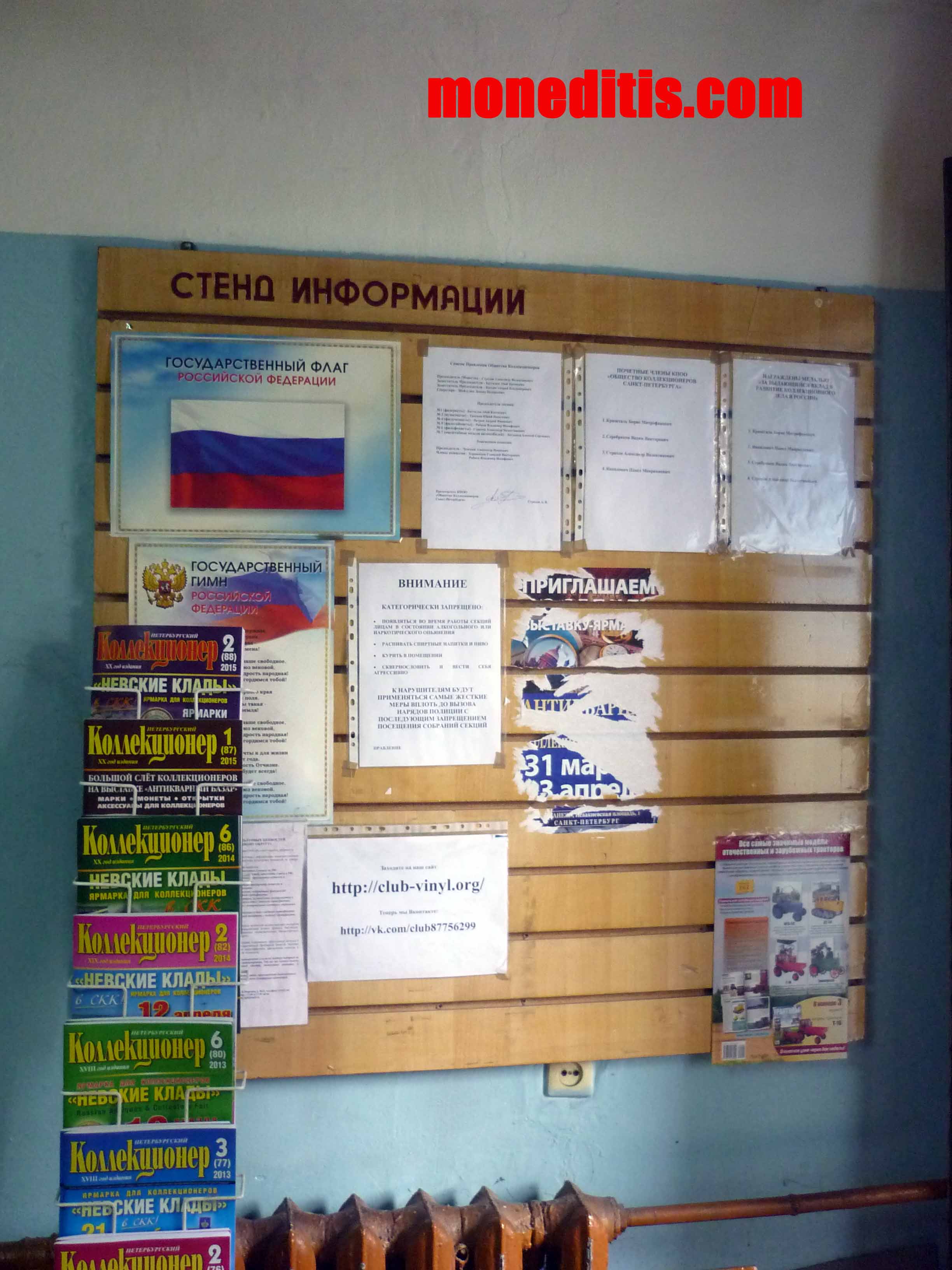
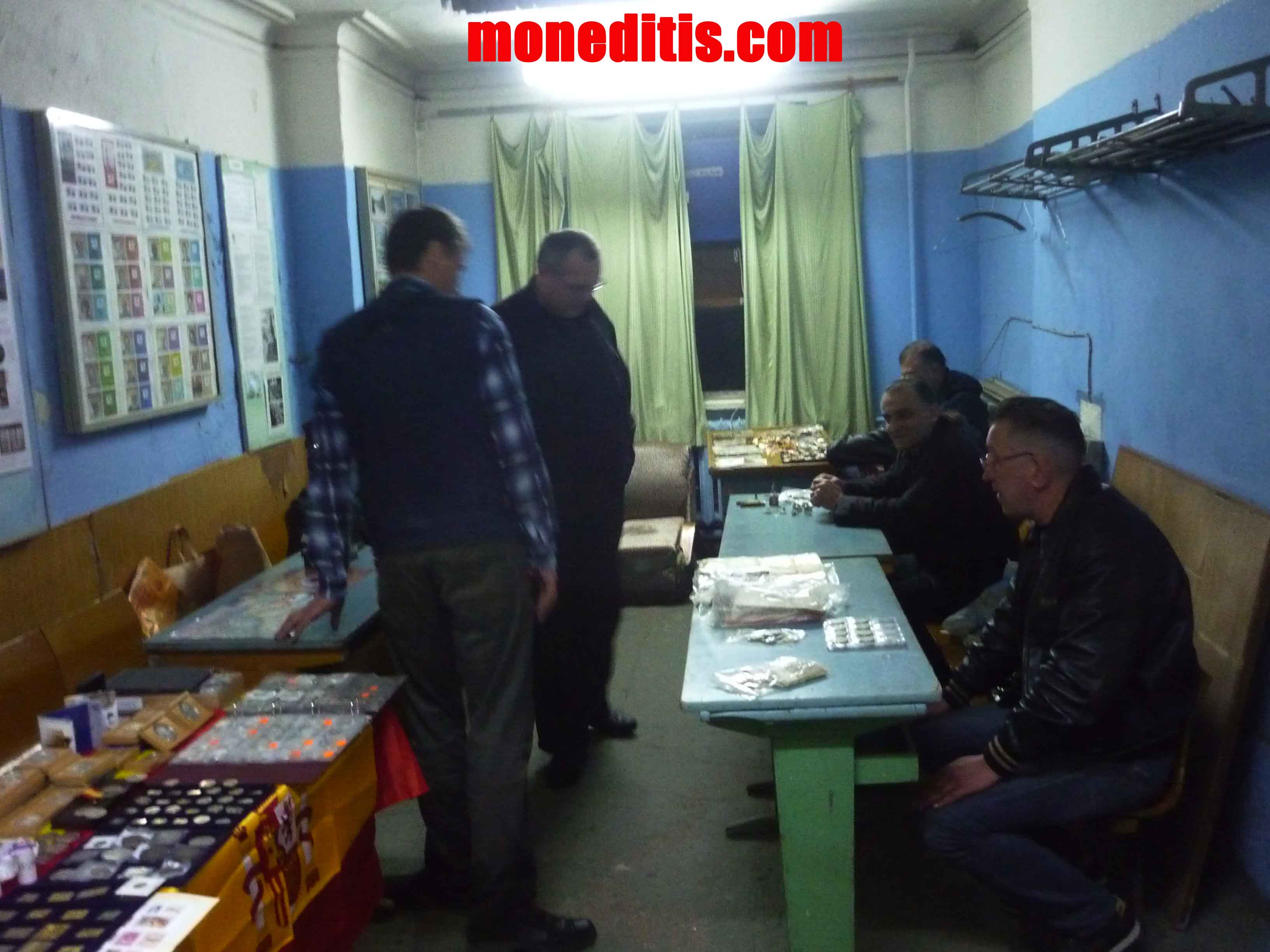
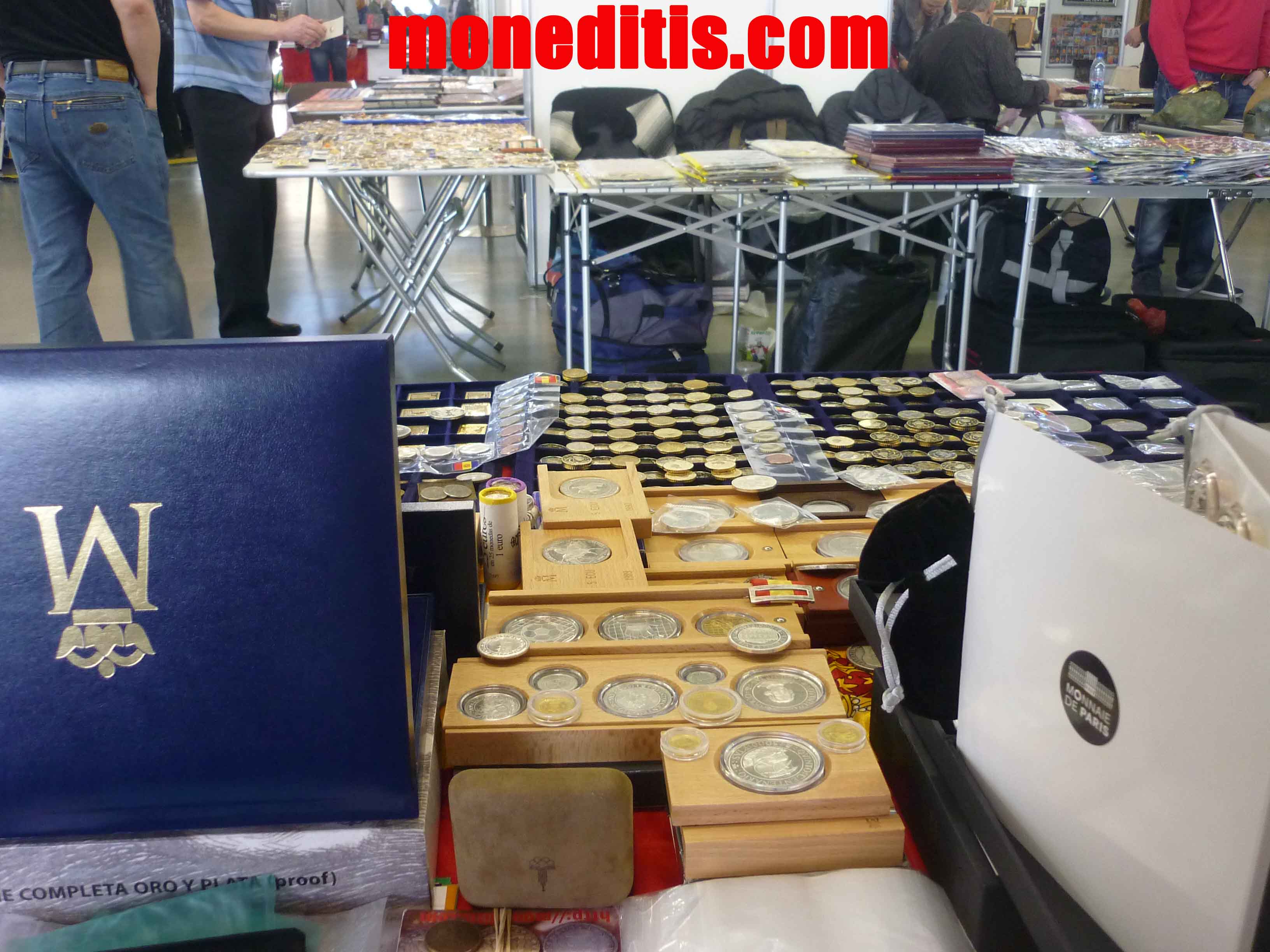
moneditis en San Petersburgo

En San Pertersburgo de nuevo; ciudad a la que me unen varias etapas de mi particular viaje a Ítaca, odisea con fracasos y logros…pero no es momento de ñoñerias porque se tiende a idealizar algunas partes del trayecto y tampoco es para tanto.

2

Sólo en una ciudad como ésta nos reunimos los aficionados a la numismática mayormente, pero no sólo, en un teatro.

3

Desde el palco los atronadores aplausos con el público en pie hacen temblar los cimientos de la sala

1

Es un orgullo para mi ser el único miembro español de la Asociación Numismática local…y para con algunos de sus miembros interlocutor en conversaciones diversas (y hasta en alguna ocasión ponente) en cuanto a historia, gastronomía, geografía, chistes…

4

Afortunadamente el telón de este teatro sigue arriba 😉

http://www.pixelteca.com/rapsodas/kavafis/itaca.html

ps Y un poco de vodka siempre ayuda. Спасибо.

Subasta 19 Ibercoin Lunes 20 de abril (mañana)

Subasta 19 Ibercoin 20 de Abril

http://www.sixbid.com/browse.html?auction=1881&category=38998&page=2

Lote 425

http://www.sixbid.com/browse.html?auction=1881&category=38998&lot=1639722

12

Pesa 26,36 g.

34

Y lotes de la subasta por correo

2462: 26,47 g. http://www.sixbid.com/browse.html?auction=1882&category=39017&lot=1641014

2463: 27,12 g. http://www.sixbid.com/browse.html?auction=1882&category=39017&lot=1641015

5

2464:26,09 g. http://www.sixbid.com/browse.html?auction=1882&category=39017&lot=1641016

2465: 26,74 g. http://www.sixbid.com/browse.html?auction=1882&category=39017&lot=1641017

6

2466: 26,57 g. http://www.sixbid.com/browse.html?auction=1882&category=39017&lot=1641018

2467: 26,53 g. http://www.sixbid.com/browse.html?auction=1882&category=39017&lot=1641019

7

2468: 26,90 g. http://www.sixbid.com/browse.html?auction=1882&category=39017&lot=1641020

8

¡¡Suerte a los pujadores!!

Inquietante

Se falsifica de todo, desde áureos y 8 escudos hasta felúses y 2 euros pasando, claro está, por toda la gama intermedia de reales y demás.

http://www.imperio-numismatico.com/t95749p24-las-piezas-mas-falsificadas

http://www.numismatica-visual.es/2014/01/alerta-para-coleccionistas-de-monedas/

«..Si las monedas modernas están siendo falsificadas, lo de las monedas antiguas no tiene nombre, en el mismo sitio del que os hablo hay cientos y cientos de ellas…»

http://www.ebay.com/itm/MEXICO-Pillar-1737-REALES-SILVER-COINS-/111641255022?pt=LH_DefaultDomain_0&hash=item19fe565c6e&nma=true&si=cxfqcs91LezNIZ%252BiZIEflZ1Rwko%253D&orig_cvip=true&rt=nc&_trksid=p2047675.l2557

Y las ya sabidas http://www.imperio-numismatico.com/t77060p264-falsas-de-subastas#872016

¿Soluciones? Seguir complicándonos la vida, el sueño y el bolsillo…o dejarnos de complicaciones…That´s the question 😦

Falsas de subastas

A modo de recopilación

http://www.imperio-numismatico.com/t77060-falsas-de-subastas

Este hilo lo empecé más o menos con este blog

http://www.imperio-numismatico.com/t77060-falsas-de-subastas

https://moneditis.com/page/41/

Y en menos de 2 años he/hemos descubierto que no todo es lo que parece, pasando por algún que otro rifi rafe con subasteros y sus palmeros, además de ver pesos (masas) reflejados en catálogo de alguna casa de subastas española y otros más que interesantes aportes de foreros varios. Gracias.

https://www.google.es/webhp?sourceid=chrome-instant&ion=1&espv=2&ie=UTF-8#q=moneditis+falsa&start=0

https://moneditis.com/2013/12/12/falsa-yo-diria-que-si/

Como pone al pie de mis mensajes en imperio numismático sobre este blog

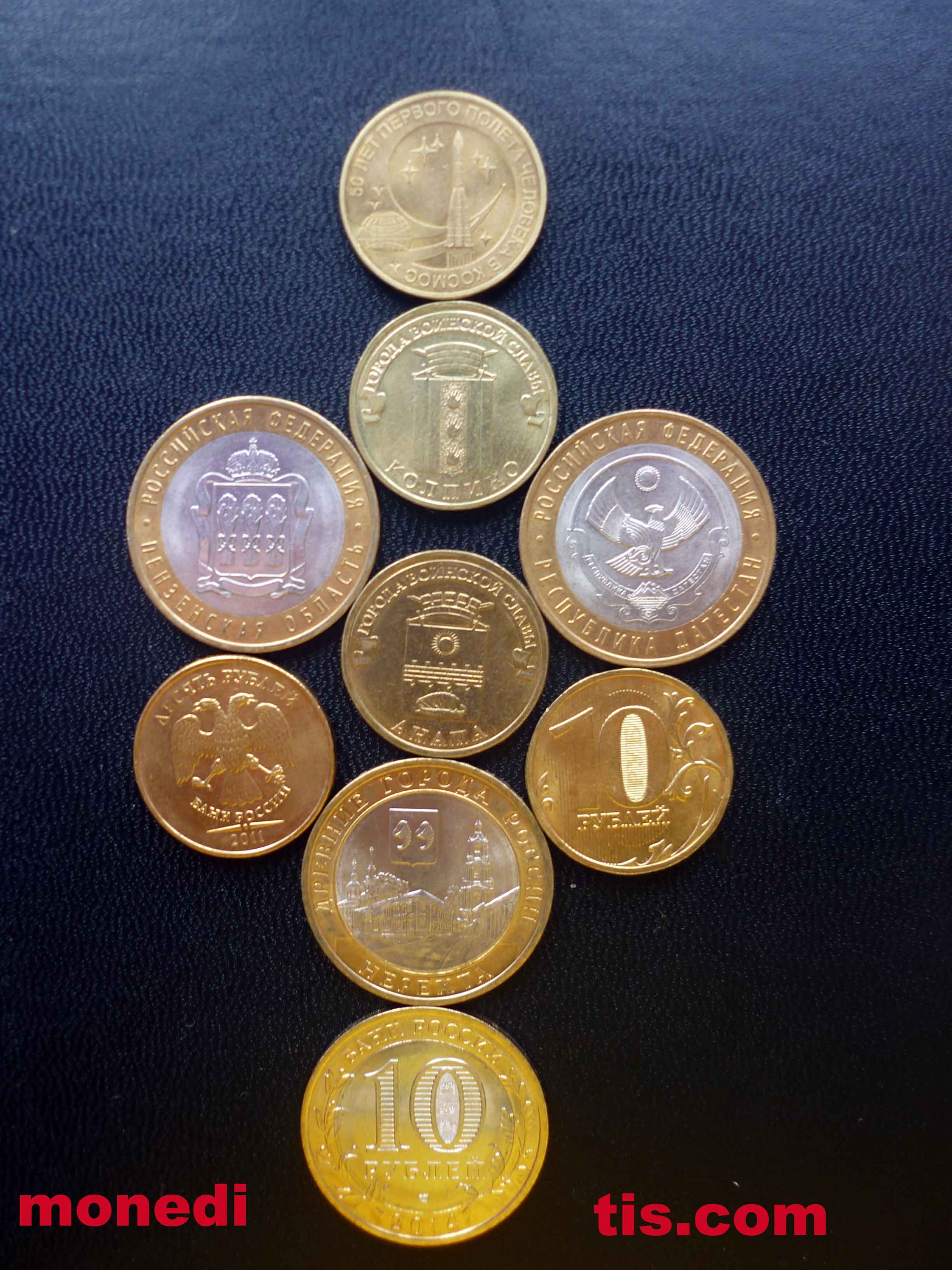
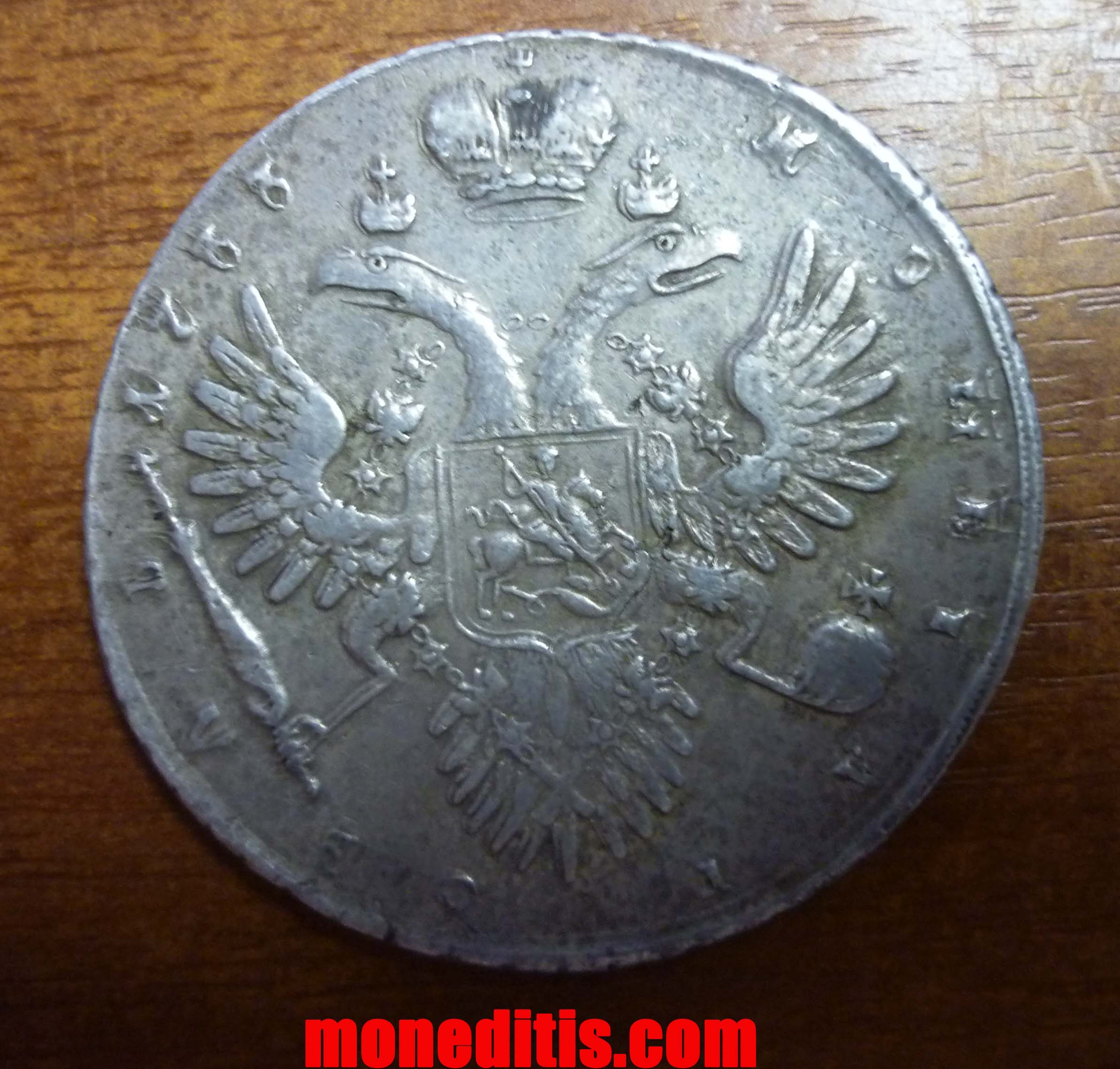
8 reales, rusas, plata, fakes…y mucha afición
http://moneditis.com

Clon duro segoviano

De aquí

http://www.imperio-numismatico.com/t96127-serias-dudas-sobre-autenticidad#870425

http://www.sixbid.com/browse.html?auction=1863&category=38718&lot=1623496

http://www.acsearch.info/search.html?id=576037

Y a donde finalmente queremos llegar, que es a la próxima subasta de Cayón de duros segovianos

http://www.sixbid.com/browse.html?auction=1891&category=39140&lot=1653856

Página 94 Lote 534

http://www.saladesubasta.com/pdf/Cayon%20Subastas%20-%20Subasta%2028%20Abril%202015.pdf

Parecen clones a la venta en Heritage, certificado por NGC, y Cayón. ¡¡Impresionante!!

Columnarios falsos

Más falsos que Judas (aprovechando que la semana santa acaba de terminar y tal) 🙂

http://www.ebay.com/sch/1hk4259/m.html?_nkw=&_armrs=1&_ipg=&_from=

http://www.ebay.com/sch/1hk4259/m.html?_nkw=&_armrs=1&_ipg=&_from=&LH_Complete=1&rt=nc

Si se han vendido de verdad…uhmmm…¡espeluznante!

http://www.ebay.com/itm/MEXICO-Pillar-1738-REALES-SILVER-COINS-/111641255736?pt=LH_DefaultDomain_0&hash=item19fe565f38

http://www.ebay.com/itm/MEXICO-Pillar-1736-REALES-SILVER-COINS-/111641253434?pt=LH_DefaultDomain_0&hash=item19fe56563a

http://www.ebay.com/itm/MEXICO-Pillar-1737-REALES-SILVER-COINS-/111641255022?pt=LH_DefaultDomain_0&hash=item19fe565c6e

Hay muuuuuuchos detalles que delatan su falsedad…aunque peso y diámetro sean los debidos 😉

Конрос Интернет-аукцион 680

Cреди лотов очередного еженедельного интернет-аукциона немало примечательных лотов,

http://auction.conros.ru/lot/1334804/458/1/

5 золотых рублей 1903 года Николая II.

Закон от 3 января 1897 года «О чеканке и выпуске в обращение золотых монет», оставляя золотую монету без всякого изменения в содержании чистого золота, пробе, весе и размерах, устанавливает обозначение на империалах цены 15 рублей, а на полуимпериалах – цены 7 рублей 50 копеек (подробнее можно посмотреть статью«Просто, как все гениальное»).

В этом же году в обращение возвращается привычный пятирублевый номинал, «похудевший» на треть — теперь он весит 4,3 грамма (дореформенный весил 6,45 грамма).

За первые два года реформы количество золотых монет в обращении увеличилось с 36 миллионов до 450 миллионов рублей. Все годы до начала Первой мировой войны кредитные билеты имели золотое покрытие, превышающее установленное законом, что обеспечивало стабильный уровень доверия. После объявления в 1914 году прекращения обмена с рынка разом исчезли все выпущенные к тому времени золотые монеты на общую сумму 629 миллинов рублей.

Штемпели пятирублевых монет (1898 года) использовались в Советский период для дополнительной чеканки золотых монет, необходимых для международных расчетов.

Проба — 900, нормативный вес — 4,30 грамма. Гурт – узор.

http://auction.conros.ru/lot/1334812/458/1/

Стоит также упомянуть о екатерининском рубле 1777 года.

Через 15 лет после дворцового переворота, в результате которого на российский престол взошла Екатерина II, императрица почувствовала, что сравнялась величием с первым российским императором — Петром Великим. 22 октября 1776 года генерал-прокурор Вяземский передает два ее портрета с указанием «для рублевой и прочей монеты одежду сделать Императорскую, а на главе, сверх ныне означенного лаврового венка, корону».

Тимофей Иванов выполняет задание, и 10 января 1777 года пробы утверждаются. Новые монеты выполнены в плоском рельефе, а в изображении орла ощутимо влияние гедлингеровского типа. Портрет незначительно изменяется в 1783 году — на нем императрица выглядит несколько старше. Начиная с этого типа, серебряные монеты выпускаются только в Петербурге.

http://auction.conros.ru/clAuct/458/flash/