Эрмитаж Нумизматика VII / Hermitage Numismatic Collection VII / Ermitage Colección Numismática VII

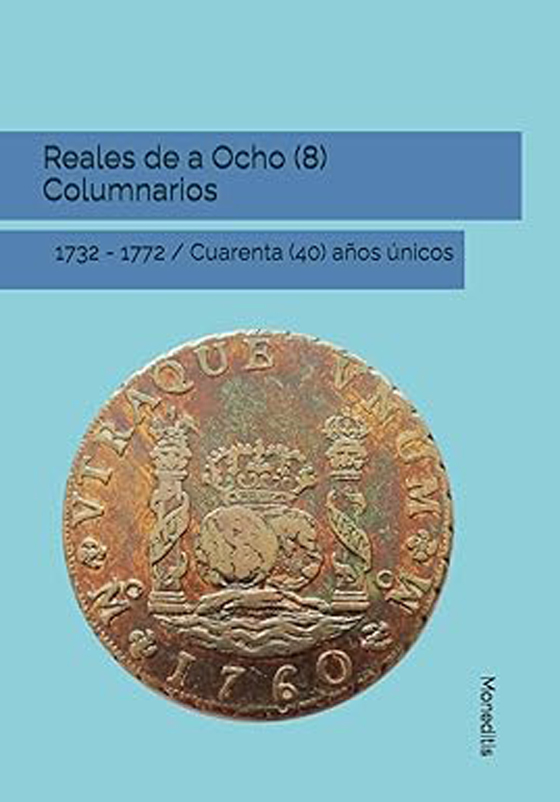
Descripción/capítulos  https://moneditis.com/2025/10/04/libro-columnarios-publicado/

Enlace a Amazon para comprar mi libro en España  https://amzn.to/4pIRrtA

Libro también disponible en amazon / My book is also available in amazon amazon.com/.com.mx/.com.br/.co.uk/.co.jp/.com.au/.ca/.ie/.se/.de/.fr/.it/.nl/.pl   +  búsqueda / search   Moneditis 

——————————————————————————————————————————————————————

Venimos de aquí  https://moneditis.com/tag/Ermitage/
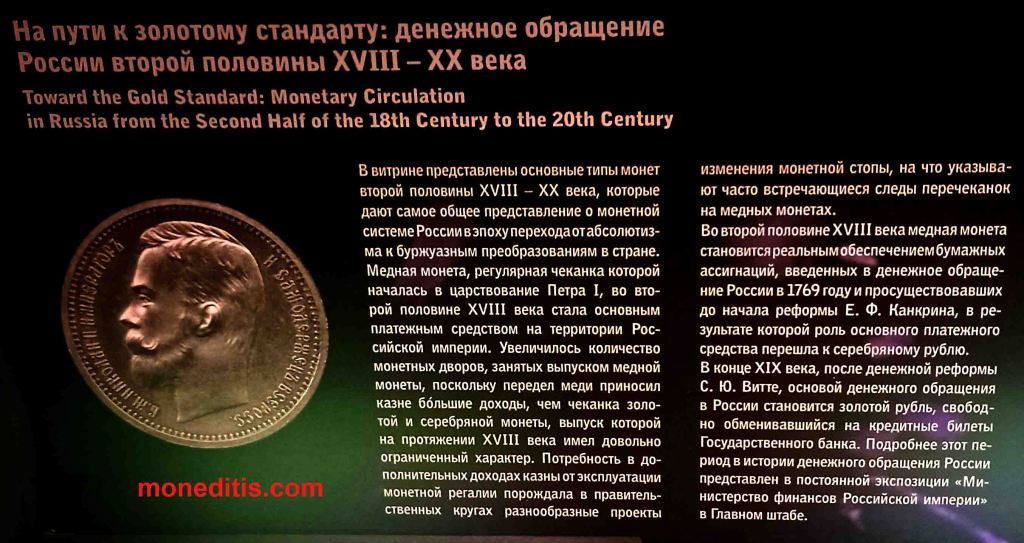
Hacia el patrón oro. Circulación Monetaria en Rusia desde la segunda mitad del s. XVIII hasta el s. XX

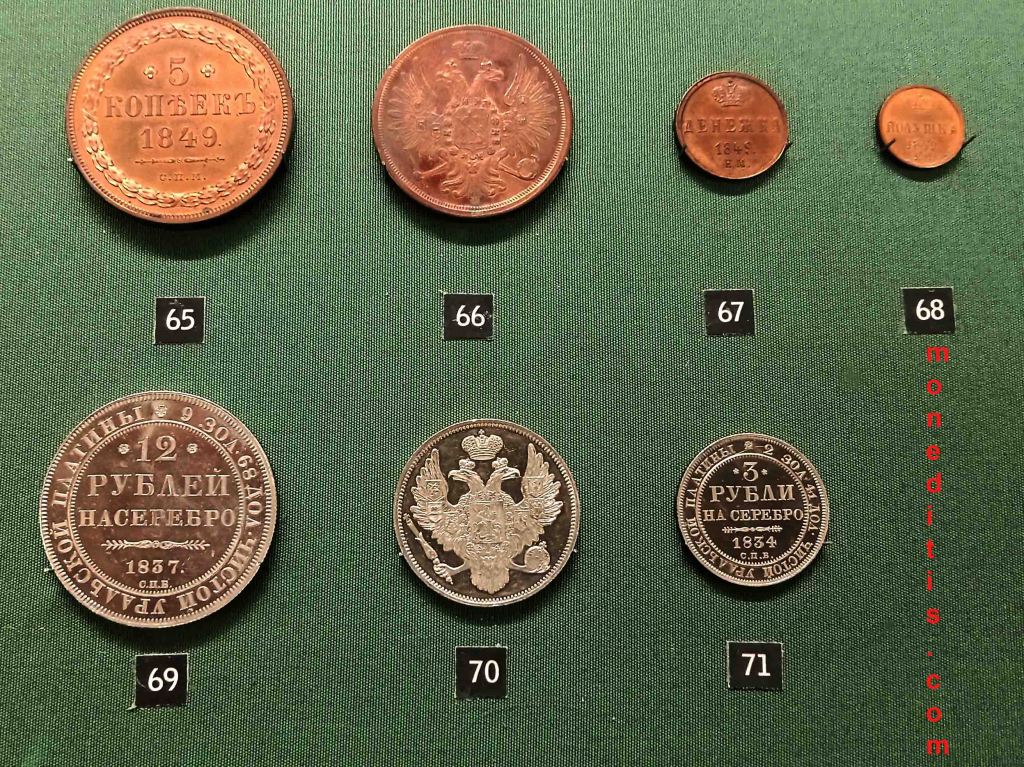
El escaparate presenta los principales tipos de monedas de la segunda mitad del siglo XVIII – XX, que dan una visión general del sistema Monetario Ruso en la época de transición del absolutismo a las transformaciones burguesas del país. La moneda de cobre, cuya acuñación regular comenzó en el reinado de Pedro I, en la segunda mitad del siglo XVIII se convirtió en el principal medio de pago en el territorio del Imperio Ruso. El número de casas de moneda dedicadas a la emisión de monedas de cobre aumentó, ya que la acuñación de cobre trajo unos mayores ingresos para las arcas del Imperio que la acuñación de monedas de oro y plata, cuya emisión a lo largo del siglo XVIII fue bastante limitada. Dada la necesidad de tener ingresos adicionales por parte del tesoro público en la acuñación de moneda, hubo una gran variedad de proyectos de cambio de conversión monetaria, como lo indican los rastros de resellos que se encuentran a menudo en las monedas de cobre.
En la segunda mitad del siglo XVIII, la moneda de cobre pasa a ser una garantía real para los billete introducidos en la circulación monetaria rusa en 1769 y que existían hasta la reforma de E. F. Kankrin, reforma que hizo que el rublo de plata pasara a ser el principal medio de pago.
A finales del siglo XIX, tras la reforma monetaria de S. Y. Witte, la circulación monetaria en Rusia se sustenta sobre el rublo de oro, que se intercambia libremente
por billetes de crédito del Banco Estatal. Este período en la historia de la circulación monetaria de Rusia se presenta en la exposición permanente «Ministerio de Finanzas del Imperio Ruso» en la sede principal.
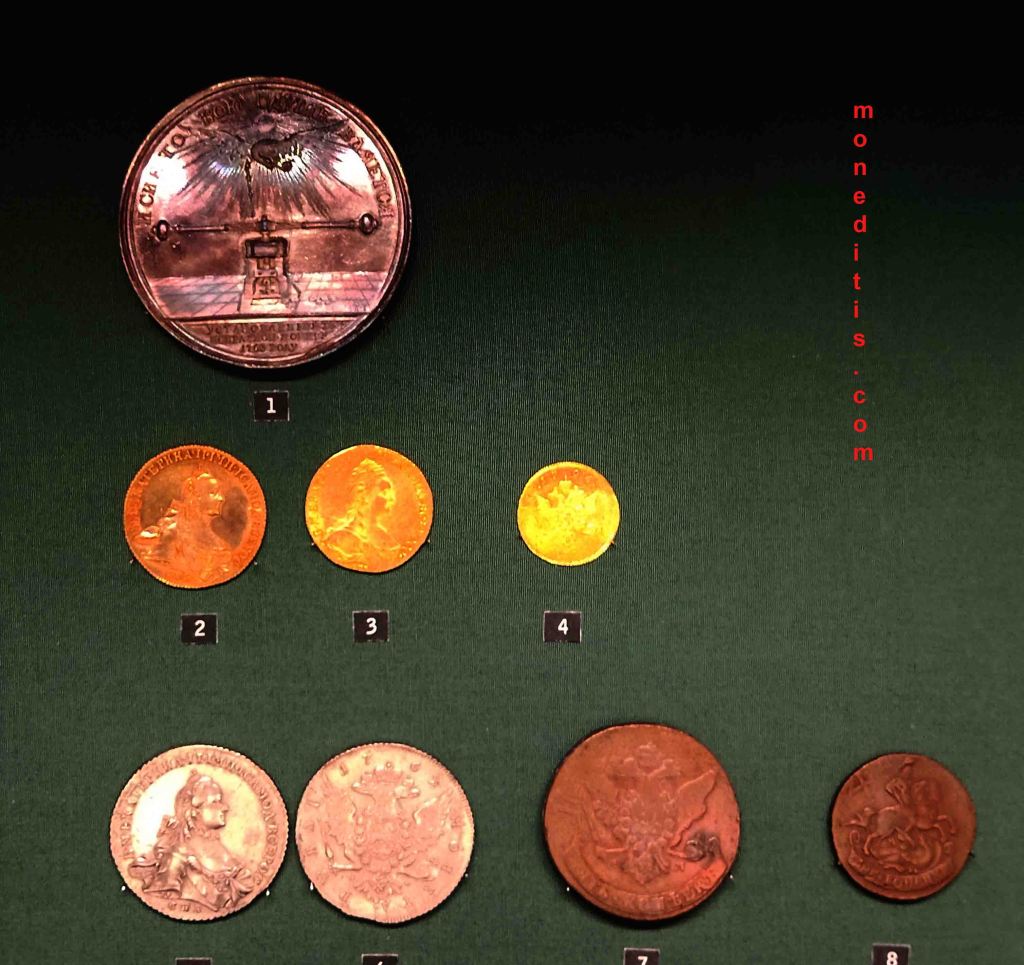
Con el botón derecho del ratón podéis abrir las imágenes en otra pestaña y ampliarlas para una mejor observación y/o lectura
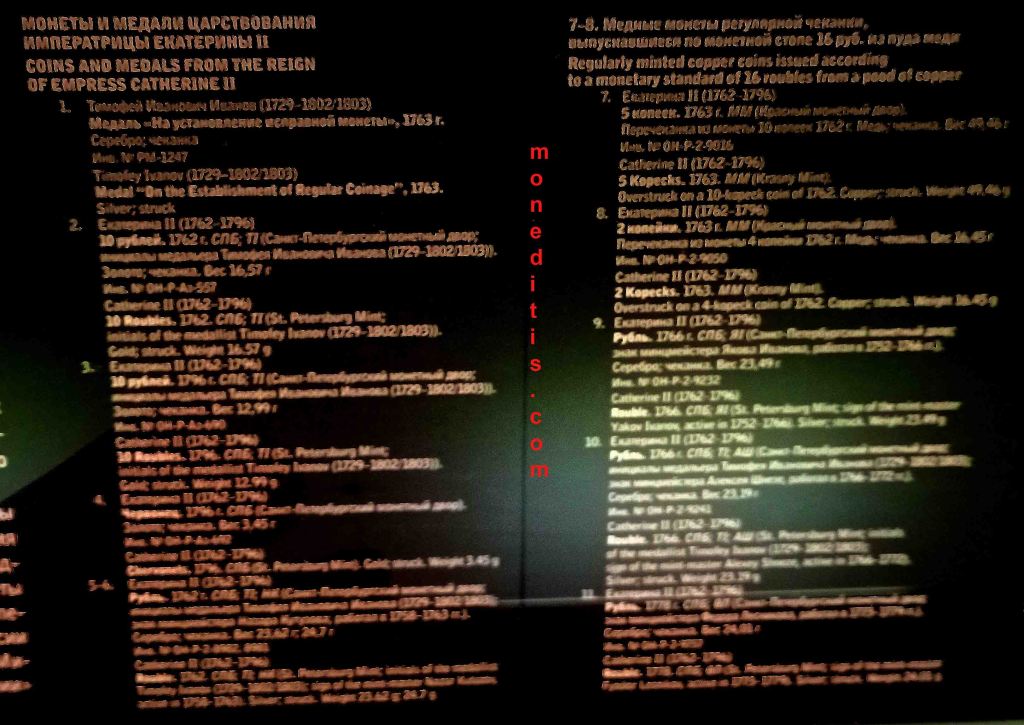
Diversas entradas sobre Catalina la Grande   https://moneditis.com/tag/catalina-ii/
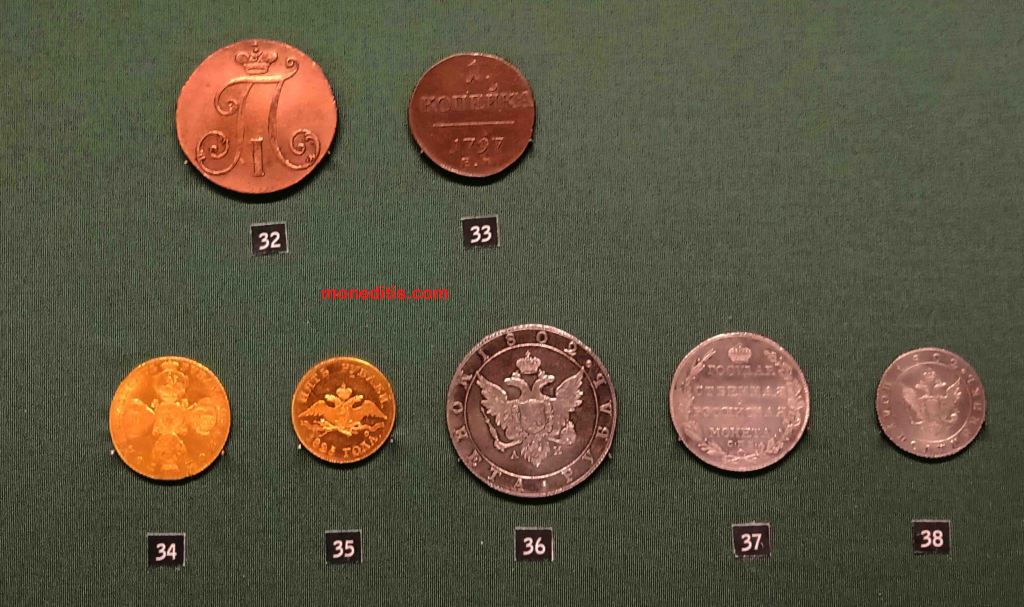
Aquí entradas de Pablo I   https://moneditis.com/tag/pablo-i/   entre las que destaco   https://moneditis.com/2021/11/21/%d1%80%d1%83%d0%b1%d0%bb%d1%8c-1799-rublo-1799/
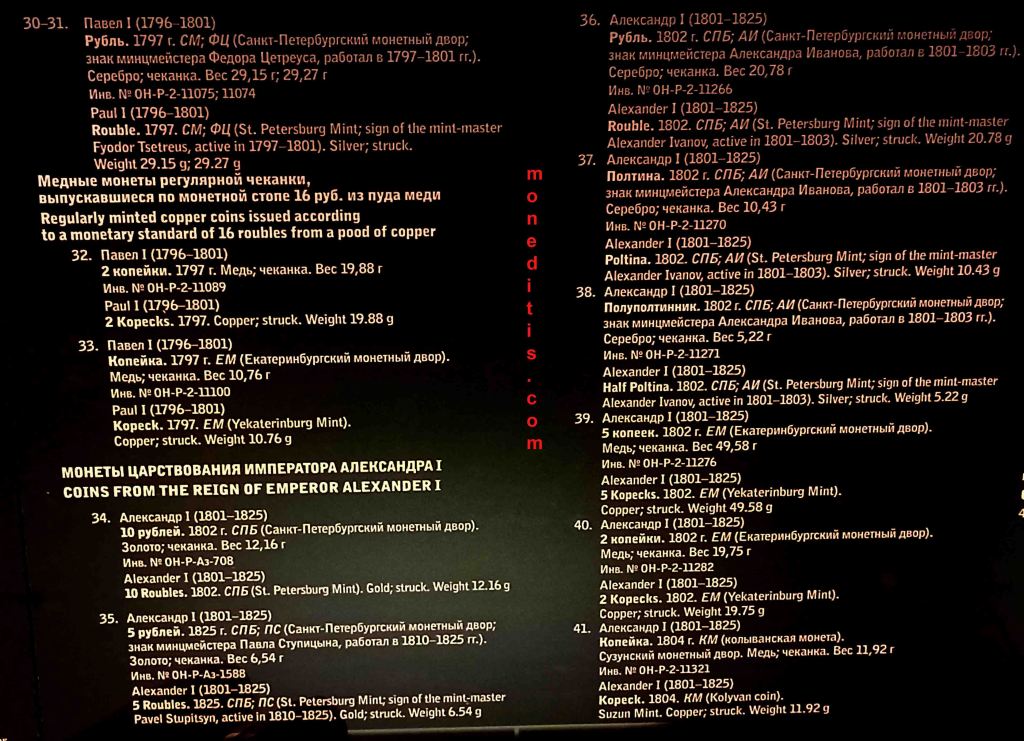
Aquí    https://moneditis.com/tag/alejandro-i/   entradas de Alejandro I, entre las que destaco   https://moneditis.com/2022/04/27/%d1%80%d1%83%d0%b1%d0%bb%d1%8c-1817-rublo-1817/
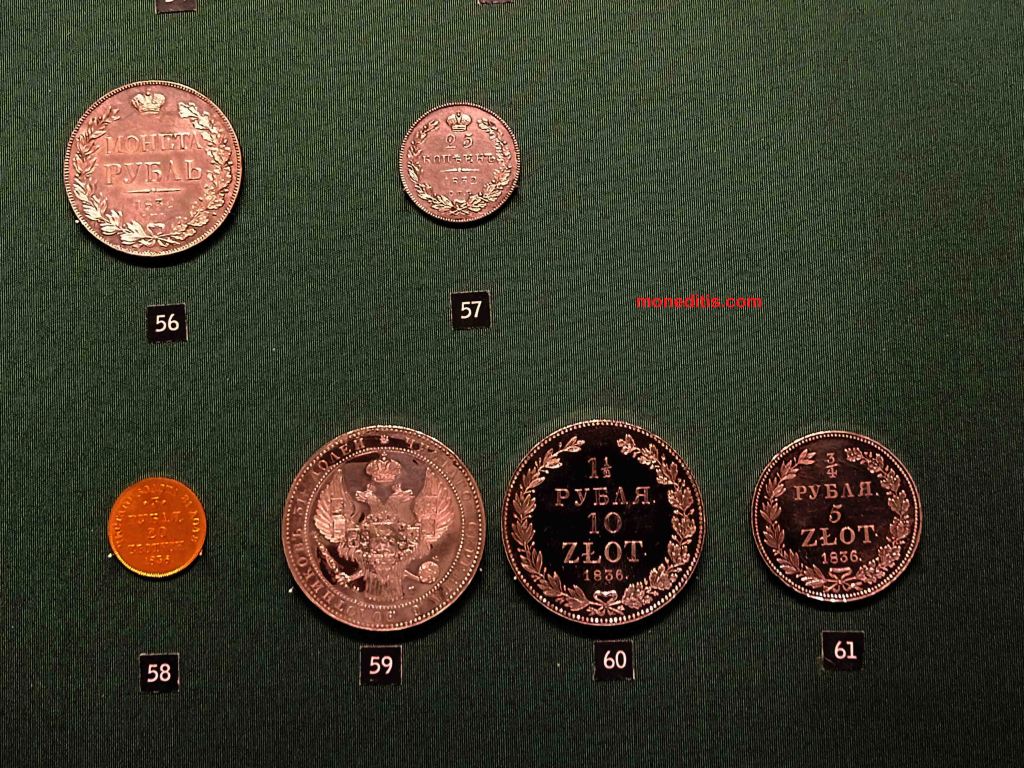
Aquí   https://moneditis.com/tag/nicolas-i/     entre las que destaco  https://moneditis.com/2023/05/20/5-rublos-1844-5-%d1%80%d1%83%d0%b1%d0%bb%d0%b5%d0%b9-1844/
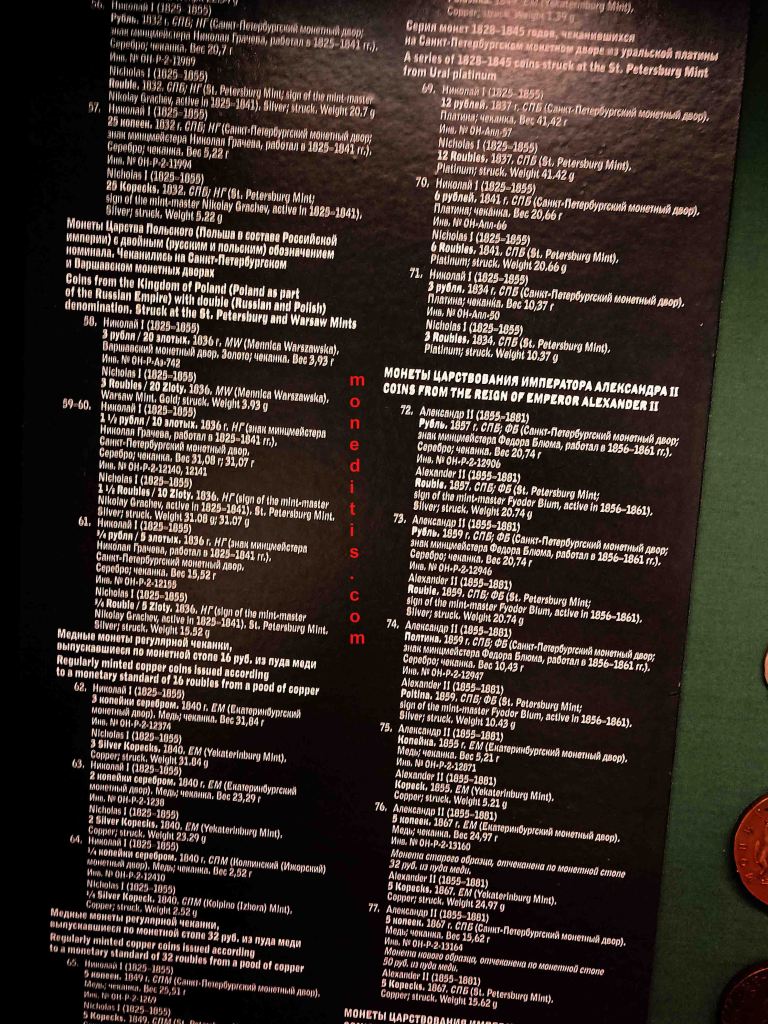
Faltan Alejandro II   https://moneditis.com/tag/alejandro-ii/   Alejandro III   https://moneditis.com/tag/alejandro-iii/    Nicolás II   https://moneditis.com/tag/nicolas-ii/   y la URSS    https://moneditis.com/tag/cccp/           https://moneditis.com/tag/urss/    , además de la Rusia actual del s.XXI

Coins of Russia, the Soviet Union and the Russian Federation

Russian coins encompassing nearly one thousand years of national history – from Kievan Rus to contemporary Russia – are most fully represented in the Hermitage numismatic collection. Currently the collection of Russian coins numbers around 300 thousand storage units.

The Hermitage collection of Russian coins was composed of separate small entries, of acquisitions and gifts from large private collections owned by J. Reichel, K.F. Schroll, the Stroganovs, I.I. Tolstoy, F.M. Plyushkin and others, as well as of acquisitions from government institutions, including the Kunstkamera’s numismatic collection, the Archaeological Commission, the Asian Museum of the Academy of Sciences, the Museum Fund, Gokhran (the State Precious Metals Repository) and others. Over a period of one and a half centuries, the mints that regularly sent the Museum their obligatory product samples, served as the collection’s chief source of replenishment.

More than half of the ancient Russian coins known at present – gold and silver coins issued in the reigns of Princes Vladimir Sviatoslavovich (988–1015), Sviatopolk the Accursed (1015–1018) and Yaroslav the Wise (1018–1054) – are put together in the Hermitage collection.

The Hermitage Museum possesses a splendid collection of silver and copper coins struck from flattened wire, a technique borrowed from the East. They come from the late 14th to early 16th century Russian grand duchies and apanage principalities. While generally only silver and copper coins were in circulation, starting from the second half of the 15th century the Moscow Princes occasionally struck gold coins to commemorate special occasions. The coins were designed for court ceremonies, they also served as diplomatic gifts and awards for meritorious military service. The Hermitage collection possesses a fairly representative selection of gold coins (“zolotye”) presented as awards to people who distinguished themselves.

Such extremely rare coins as rubli, poltiny, polupoltiny, as well as yefimki with countermark are the monuments of the failed monetary reform by Tsar Alexey Mikhailovich (1645–1676), who attempted to change dramatically the Russian coinage based on the wire silver kopeck. The monetary reform initiated by Peter I (1682–1725) proved to be more successful, as it was based on the decimal system with a wide range of gold, silver and copper coins of different denominations – from the gold double ruble down to the copper polushka (1/4 kopeck).

The Petrine era saw the resources of the Urals and Siberia being opened up. The successful search for and the development of silver ore and gold mines made it possible for Russia to almost completely supply by the late 18th century its steadily growing mintage with domestic raw materials. The Hermitage keeps a complete series of rare coins struck at the Ekaterinburg Mint including the unique ruble plate dated 1725 which carries a memorial inscription. From the year 1763 to 1847, there was the Kolyvan (Suzunsky) Mint working in the Altai, which struck the local copper Siberian coin for circulation in Siberia during the reign of Catherine II.

In the 19th century, over a period of 17 years, from 1828 to1845, the Imperial Mint in St. Petersburg made coins from the Urals’ indigenous platinum. In the second half of the 19thcentury, when nickel deposits were discovered in the Ural Mountains, the issue of replacing the circulating silver coinage with nickel one was repeatedly discussed by the Russian government.

The Museum collection represents mass- mintage coins, numerous examples of trial coins, as well as gift and commemorative coins of pre-Petrine and Imperial Russia, of the USSR and the Russian Federation.
10 años 2017 – 2

Enlace a mi tienda en ebid. Iré subiendo más moneditas de mi colección

https://stores.ebid.net/moneditis

————————————————————————————————————————————————-

Venimos de aquí:  https://moneditis.com/2024/04/11/10-anos-2017-1/

https://moneditis.com/2024/03/22/10-anos-2016-4/

https://moneditis.com/2024/01/25/10-anos-2016-3/

https://moneditis.com/2024/01/25/10-anos-2016-2/

https://moneditis.com/2024/01/25/10-anos-2016-1/  

https://moneditis.com/2023/12/16/10-anos-2015-5/

https://moneditis.com/2023/12/08/10-anos-2015-4/

https://moneditis.com/2023/11/25/10-anos-2015-3/

https://moneditis.com/2023/11/18/10-anos-2015-2/

https://moneditis.com/2023/11/04/10-anos-2015-1/

https://moneditis.com/2023/10/28/10-anos-2014-4/

https://moneditis.com/2023/10/14/10-anos-2014-3/

https://moneditis.com/2023/09/30/10-anos-2014-2/

https://moneditis.com/2023/09/16/10-anos-2014-1/

https://moneditis.com/2023/08/30/10-anos-2013/

Vamos a por la décimo sexta entrada conmemorativa; el enlace inferior conecta con la parte del blog tratada, a partir de abril del 2017

https://moneditis.com/page/41/

Rey Jesucristo y frío blanco presentan esta entrada

https://moneditis.com/2017/04/02/moneda-del-rey-jesucristo/

El 10 de abril de 2017 publiqué la entrada 501  https://moneditis.com/2017/04/10/501/    ¡y esta entrada hace la número 900!  En aquella entrada publiqué la primera medalla de cinco (5) onzas de plata acuñada por la ceca de Leningrado en tiempos modernos (1987) ¡Ya podían tomar ejemplo en estos tiempos convulsos de la simbología representada en esta moneda!

c

Convenciones, subastas, publicaciones, monedas…todo desde San Petersburgo

https://moneditis.com/2017/04/26/rublo-1723-%d1%80%d1%83%d0%b1%d0%bb%d1%8c-1723/

https://moneditis.com/2017/05/05/%d0%b8%d1%81%d1%82%d0%be%d1%80%d0%b8%d1%8f-%d0%b4%d0%b5%d0%bd%d0%b5%d0%b6%d0%bd%d0%be%d0%b3%d0%be-%d0%be%d0%b1%d1%80%d0%b0%d1%89%d0%b5%d0%bd%d0%b8%d1%8f-%d1%80%d0%be%d1%81%d1%81%d0%b8%d0%b8-ii-histo/

13

Dos (2) entradas sobre dos volúmenes dedicados al dinero ruso; ya sabéis de mi gusto/preferencia por los libros/publicaciones escritas

https://moneditis.com/2016/11/28/%D0%B8%D1%81%D1%82%D0%BE%D1%80%D0%B8%D1%8F-%D0%B4%D0%B5%D0%BD%D0%B5%D0%B6%D0%BD%D0%BE%D0%B3%D0%BE-%D0%BE%D0%B1%D1%80%D0%B0%D1%89%D0%B5%D0%BD%D0%B8%D1%8F-%D1%80%D0%BE%D1%81%D1%81%D0%B8%D0%B8-historia/

Ya en mayo, más rublos, Día de la Victoria, Klub numismático…

https://moneditis.com/2017/05/08/rublo-1734-%d1%80%d1%83%d0%b1%d0%bb%d1%8c-1734/

https://moneditis.com/2017/05/12/%d0%b5%d1%89%d0%b5-%d0%bd%d1%83%d0%bc%d0%b8%d0%b7%d0%bc%d0%b0%d1%82%d0%b8%d1%87%d0%b5%d1%81%d0%ba%d0%b8%d0%b9-%d0%ba%d0%bb%d1%83%d0%b1-mas-club-numismatico/

Interesantes los ducados holandeses «copiados» en San Petersburgo

«Entre 1768 y 1868 se acuñaron en San Petersburgo, debido a la falta de circulante monetario áureo, copias de ducados de oro holandeses para su circulación en Rusia. Hay dos fases en la tirada de estas monedas: de 1768 a 1806 y de 1818 a 1868.»

https://moneditis.com/2017/05/16/%d0%b3%d0%be%d0%bb%d0%bb%d0%b0%d0%bd%d0%b4%d1%81%d0%ba%d0%b8%d0%b5-%d0%b4%d1%83%d0%ba%d0%b0%d1%82%d1%8b-%d1%80%d1%83%d1%81%d1%81%d0%ba%d0%be%d0%b3%d0%be-%d1%87%d0%b5%d0%ba%d0%b0%d0%bd%d0%b0-ducados/

  https://moneditis.com/2017/05/20/rublo-1774-%d1%80%d1%83%d0%b1%d0%bb%d1%8c-1774/

Concluyo esta entrada con el transiberiano, tren al que todo aquel que visita Rusia debería subirse, al menos, una vez 😉  representado en un monedón de 5 onzas de plata

https://es.wikipedia.org/wiki/Transiberiano

El ferrocarril Transiberiano (en rusoТранссибирская магистраль, Транссиб, pron. Transibírskaia maguistral, Transsib) es una red ferroviaria de carga y pasajeros que conecta la Rusia europea con las provincias del Lejano Oriente ruso hasta el océano Pacífico, además de MongoliaChina y Corea del Norte. La línea original, con una longitud de 9288 km, se completó en 1904. Posteriormente se han construido otras tres rutas y varios ramales más, abarcando 10 267 km.

Operado por los Ferrocarriles Rusos (RZhD), el Transiberiano constituye el mayor sistema único de transporte terrestre del mundo y el segundo recorrido ferroviario más largo, después del complejo Madrid – Yiwu. Forma parte esencial de la llamada Nueva Ruta de la Seda. El viaje completo en coche de pasaje requiere poco menos de una semana.

Empezaremos junio del 2017, tercera (3ª) entrada de este año, con una subasta de la desaparecida casa de subastas Herrero

https://moneditis.com/page/40/

P.S. Próxima convención el viernes 3 de mayo en Alicante

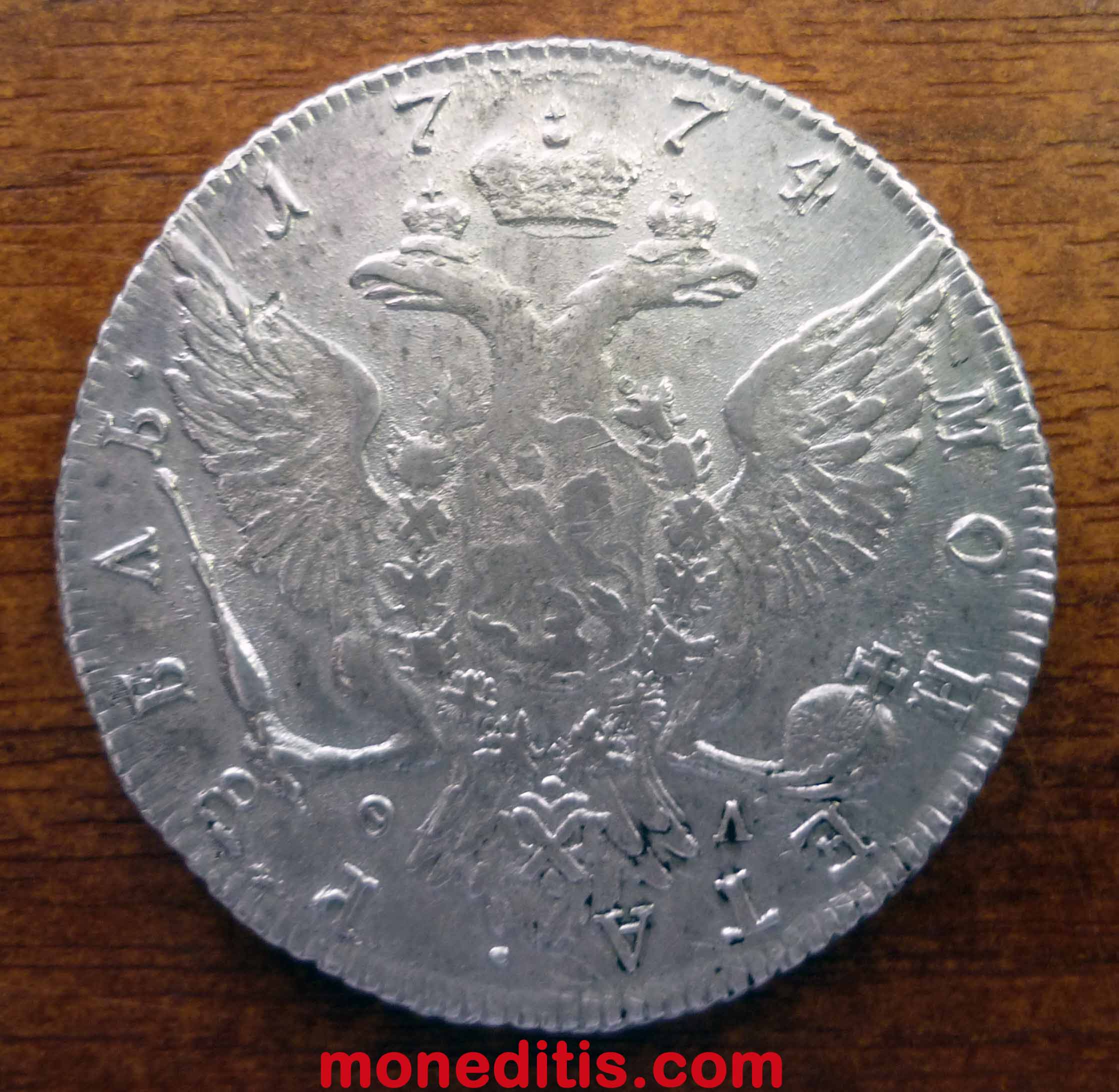
Rublo 1774 / Рубль 1774

Rublo 1774 / Рубль 1774 СПБ  TИ ФЛ Ag Екатерина II

Peso: 24 g de plata ley .750 Diámetro 39 mm  Ceca de San Petersburgo Tirada: 2.770.000 monedas  Каталожный номер: Биткин-218; Конрос-70/68  http://www.fcoins.ru/catalog/catalogrimp/catalogrimp15796.asp

Anverso: «Б.М.ЕКАТЕРИНА.II.ИМП.ИСАМОД.ВСЕРОС» (Божьей милостью Екатерина II Императрица и Самодержица Всероссийская) + инициалы медальера «.T.I.» (Тимофей Иванов) «СПБ»

Reverso: «РУБЛЬ 1774 МОНЕТА» + инициалы минцмейстера «ФЛ» (Федор Лесников).

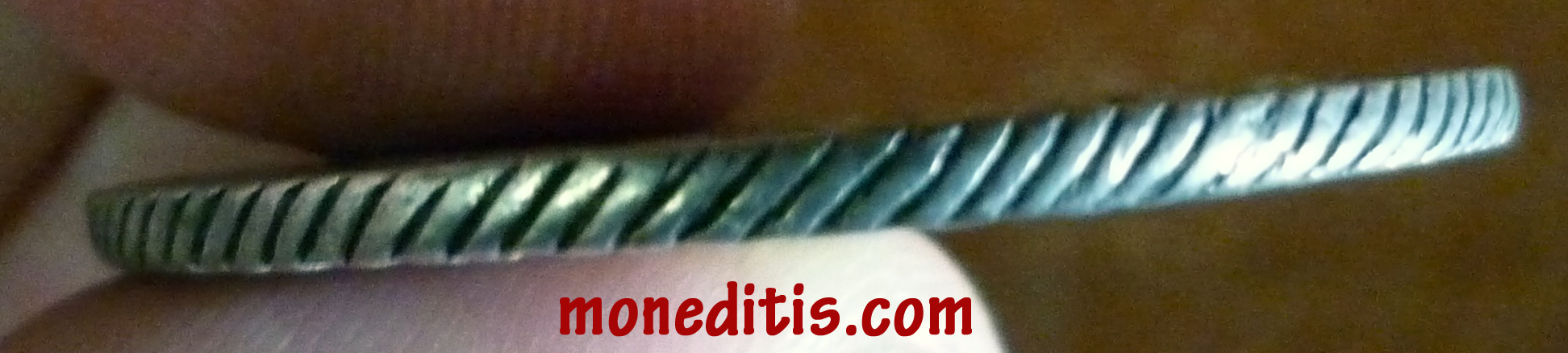
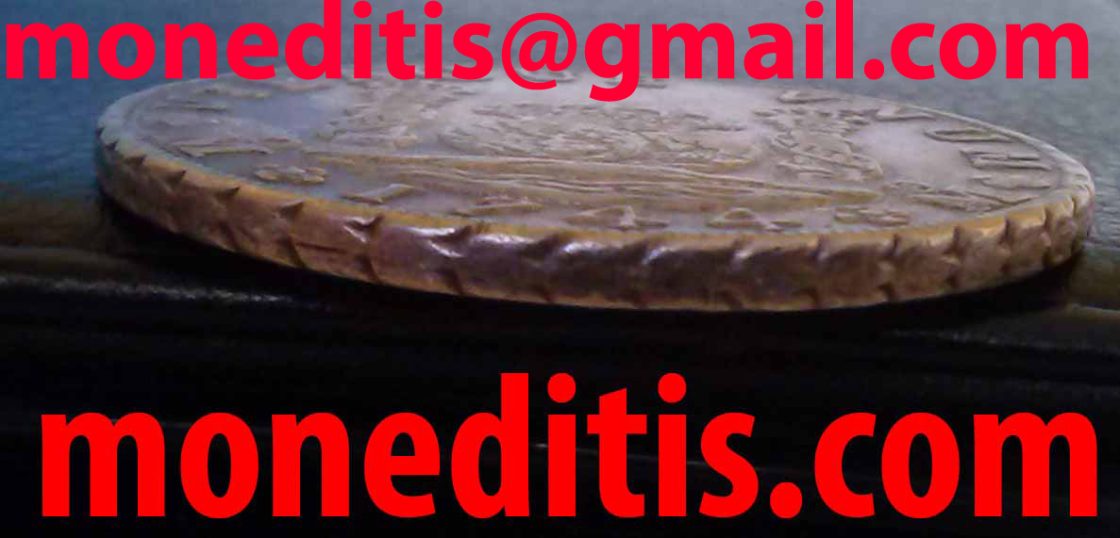
Canto estriado 

Moneda fotografiada de casa de subastas https://conros.ru/  Спасибо

https://es.wikipedia.org/wiki/Catalina_II_de_Rusia

Rublo 1768 Catalina la Grande / Рубль 1768 Екатерина II

Emperatriz de 1762 a 1796  https://es.wikipedia.org/wiki/Catalina_II_de_Rusia

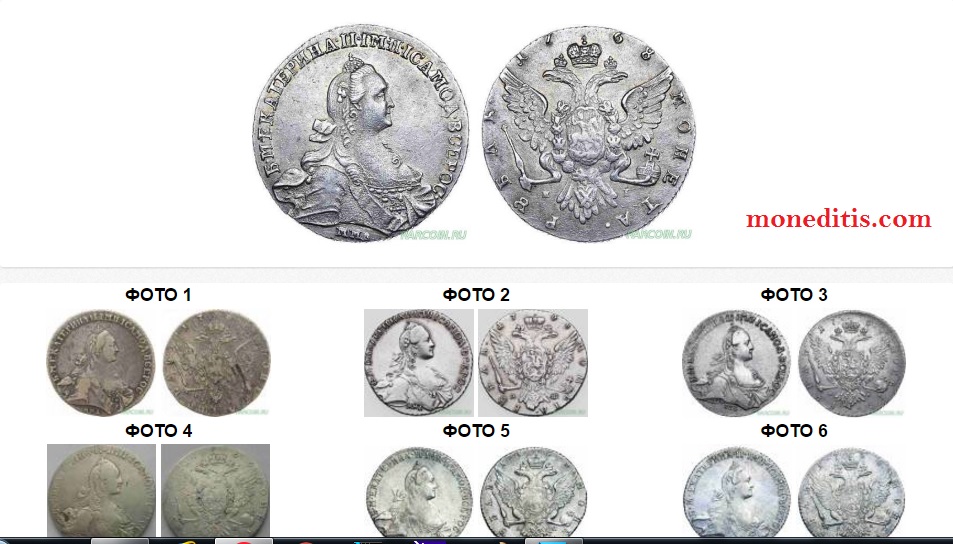
Hay seis (6) tipos de retratos, dependiendo del grabador, de la Casa de la Moneda – Moscú o San Petersburgo – y del año. Las diferencias están en el tipo de retrato, a su vez con y sin gargantilla/adorno al cuello  y acuñación. Aquí todos los tipos para el año de 1768. Pesos teóricos de 24 g de plata Ag .750 (18 g de plata pura) y diámetros de 38 a 39 mm con cordoncillo a derechas al canto

0

http://rarcoin.ru/publ/ekaterina_ii_1762_1796/cena_monet_ekateriny_ii_1768_g/1_rubl_1768_goda/114-1-0-539

Vamos con Moscú sin gargantilla. Peso: 23,56 g y diámetro medio: 38,65 mm

110

Аверс: в центре портрет Екатерины II, обращенный вправо, под ним обозначение монетного двора «ММД», вверху вдоль края монеты надпись «Б.М.ЕКАТЕРИНА.II.ИМП.ИСАМОД.ВСЕРОС» (Божьей милостью Екатерина II Императрица и Самодержица Всероссийская.

En el anverso descubrimos la marca de la Casa de la Moneda de Moscú, ММД, además de la inscripción: «Б.М.ЕКАТЕРИНА.II.ИМП.ИСАМОД.ВСЕРОС» (Божьей милостью Екатерина II Императрица и Самодержица Всероссийская).                                        Por la Gracia de Dios, Ekaterina II, Emperatriz y Soberana/Autócrata de Toda Rusia

210+

Реверс: в центре – Герб Российской Империи – двуглавый орёл со скипетром и державой, на груди орла – герб Москвы, над головами – год выпуска «1768». Слева по краю – надпись «РУБЛЬ.», справа – «МОНЕТА.», под лапами орла инициалы минцмейстера «EI» (Егор Иванов).

En el reverso, Águila bicéfala Imperial coronada con las letras E.I., Egor Ivanov – Егор Иванов (1752 – 1770), ensayador de la Casa de la Moneda de Moscú entre los años 1752 y 1770. Además las palabras MONEDA y RUBLO, con el año, 1768, en la parte superior.

3+-150 € en esta conservación


Конрос Интернет-аукцион 680

Cреди лотов очередного еженедельного интернет-аукциона немало примечательных лотов,

http://auction.conros.ru/lot/1334804/458/1/

5 золотых рублей 1903 года Николая II.

Закон от 3 января 1897 года «О чеканке и выпуске в обращение золотых монет», оставляя золотую монету без всякого изменения в содержании чистого золота, пробе, весе и размерах, устанавливает обозначение на империалах цены 15 рублей, а на полуимпериалах – цены 7 рублей 50 копеек (подробнее можно посмотреть статью«Просто, как все гениальное»).

В этом же году в обращение возвращается привычный пятирублевый номинал, «похудевший» на треть — теперь он весит 4,3 грамма (дореформенный весил 6,45 грамма).

За первые два года реформы количество золотых монет в обращении увеличилось с 36 миллионов до 450 миллионов рублей. Все годы до начала Первой мировой войны кредитные билеты имели золотое покрытие, превышающее установленное законом, что обеспечивало стабильный уровень доверия. После объявления в 1914 году прекращения обмена с рынка разом исчезли все выпущенные к тому времени золотые монеты на общую сумму 629 миллинов рублей.

Штемпели пятирублевых монет (1898 года) использовались в Советский период для дополнительной чеканки золотых монет, необходимых для международных расчетов.

Проба — 900, нормативный вес — 4,30 грамма. Гурт – узор.

http://auction.conros.ru/lot/1334812/458/1/

Стоит также упомянуть о екатерининском рубле 1777 года.

Через 15 лет после дворцового переворота, в результате которого на российский престол взошла Екатерина II, императрица почувствовала, что сравнялась величием с первым российским императором — Петром Великим. 22 октября 1776 года генерал-прокурор Вяземский передает два ее портрета с указанием «для рублевой и прочей монеты одежду сделать Императорскую, а на главе, сверх ныне означенного лаврового венка, корону».

Тимофей Иванов выполняет задание, и 10 января 1777 года пробы утверждаются. Новые монеты выполнены в плоском рельефе, а в изображении орла ощутимо влияние гедлингеровского типа. Портрет незначительно изменяется в 1783 году — на нем императрица выглядит несколько старше. Начиная с этого типа, серебряные монеты выпускаются только в Петербурге.

http://auction.conros.ru/clAuct/458/flash/