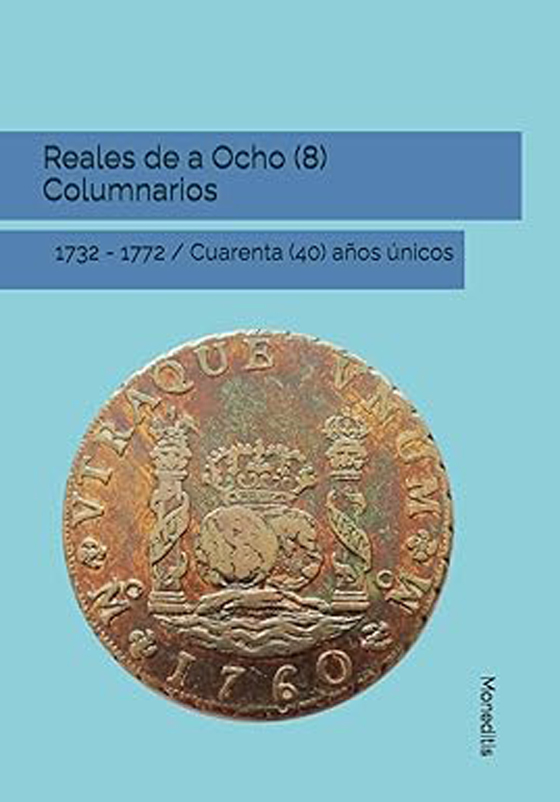
Descripción/capítulos https://moneditis.com/2025/10/04/libro-columnarios-publicado/
Enlace a Amazon para comprar mi libro en España https://amzn.to/4pIRrtA
Libro también disponible en amazon / My book is also available in amazon amazon.com/.com.mx/.com.br/.co.uk/.co.jp/.com.au/.ca/.ie/.se/.de/.fr/.it/.nl/.pl + búsqueda / search Moneditis
——————————————————————————————————————————————————————
Venimos de aquí https://moneditis.com/tag/Ermitage/
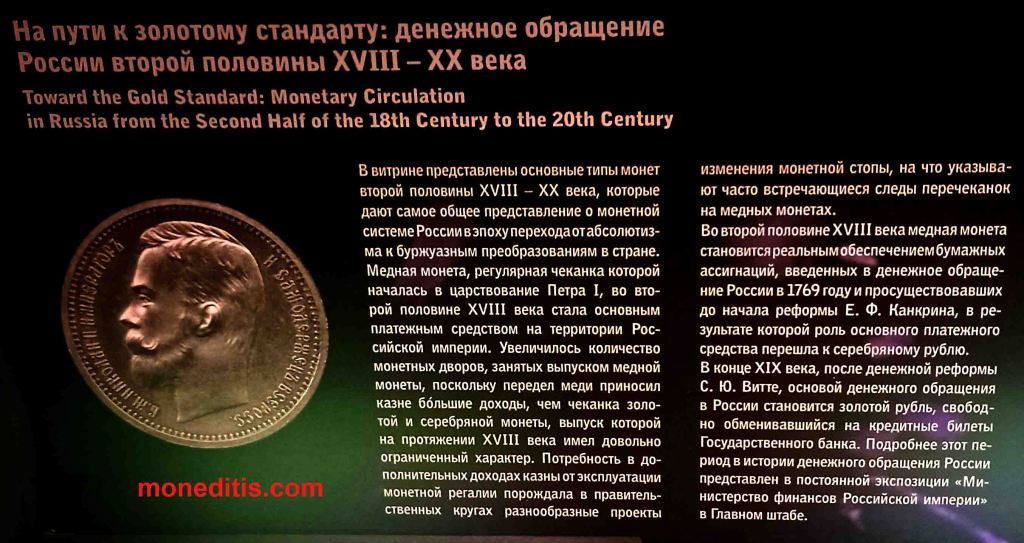
Hacia el patrón oro. Circulación Monetaria en Rusia desde la segunda mitad del s. XVIII hasta el s. XX
El escaparate presenta los principales tipos de monedas de la segunda mitad del siglo XVIII – XX, que dan una visión general del sistema Monetario Ruso en la época de transición del absolutismo a las transformaciones burguesas del país. La moneda de cobre, cuya acuñación regular comenzó en el reinado de Pedro I, en la segunda mitad del siglo XVIII se convirtió en el principal medio de pago en el territorio del Imperio Ruso. El número de casas de moneda dedicadas a la emisión de monedas de cobre aumentó, ya que la acuñación de cobre trajo unos mayores ingresos para las arcas del Imperio que la acuñación de monedas de oro y plata, cuya emisión a lo largo del siglo XVIII fue bastante limitada. Dada la necesidad de tener ingresos adicionales por parte del tesoro público en la acuñación de moneda, hubo una gran variedad de proyectos de cambio de conversión monetaria, como lo indican los rastros de resellos que se encuentran a menudo en las monedas de cobre.
En la segunda mitad del siglo XVIII, la moneda de cobre pasa a ser una garantía real para los billete introducidos en la circulación monetaria rusa en 1769 y que existían hasta la reforma de E. F. Kankrin, reforma que hizo que el rublo de plata pasara a ser el principal medio de pago.
A finales del siglo XIX, tras la reforma monetaria de S. Y. Witte, la circulación monetaria en Rusia se sustenta sobre el rublo de oro, que se intercambia libremente por billetes de crédito del Banco Estatal. Este período en la historia de la circulación monetaria de Rusia se presenta en la exposición permanente «Ministerio de Finanzas del Imperio Ruso» en la sede principal.
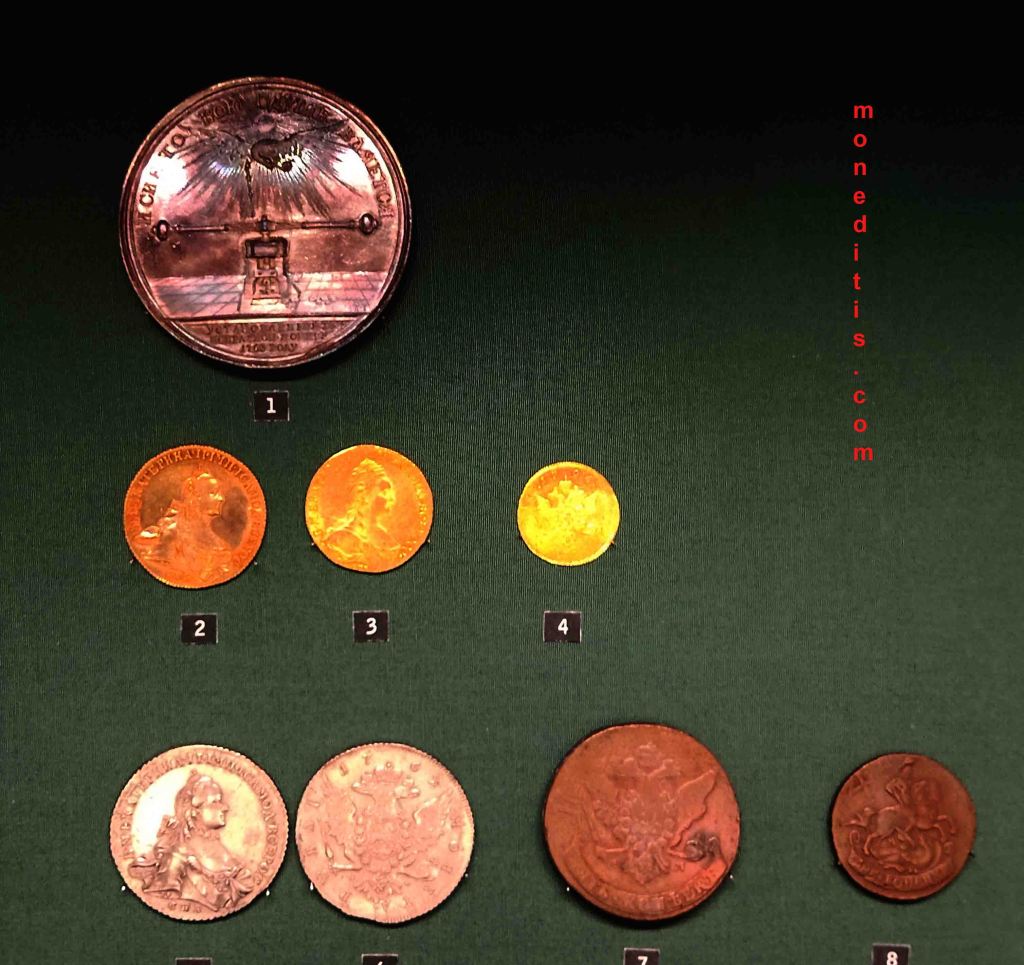
Con el botón derecho del ratón podéis abrir las imágenes en otra pestaña y ampliarlas para una mejor observación y/o lectura
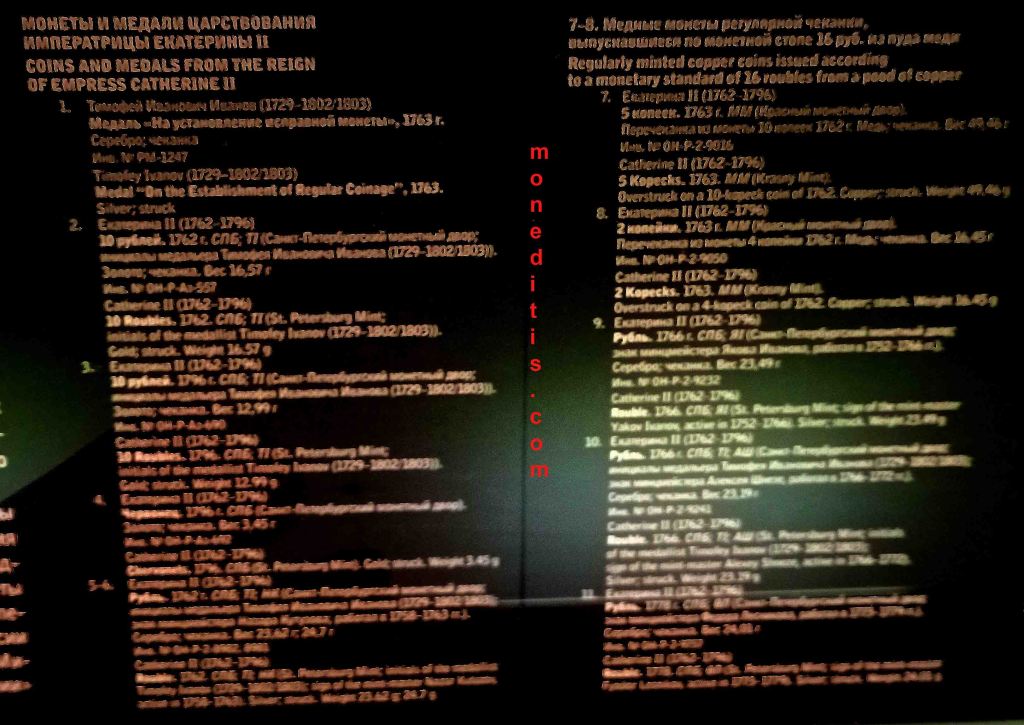
Diversas entradas sobre Catalina la Grande https://moneditis.com/tag/catalina-ii/
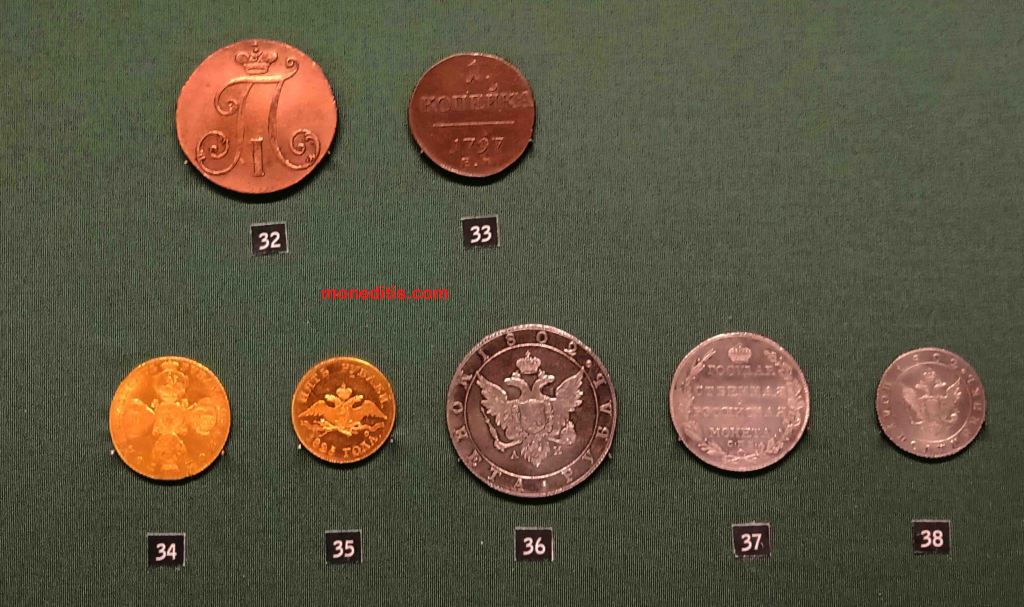
Aquí entradas de Pablo I https://moneditis.com/tag/pablo-i/ entre las que destaco https://moneditis.com/2021/11/21/%d1%80%d1%83%d0%b1%d0%bb%d1%8c-1799-rublo-1799/
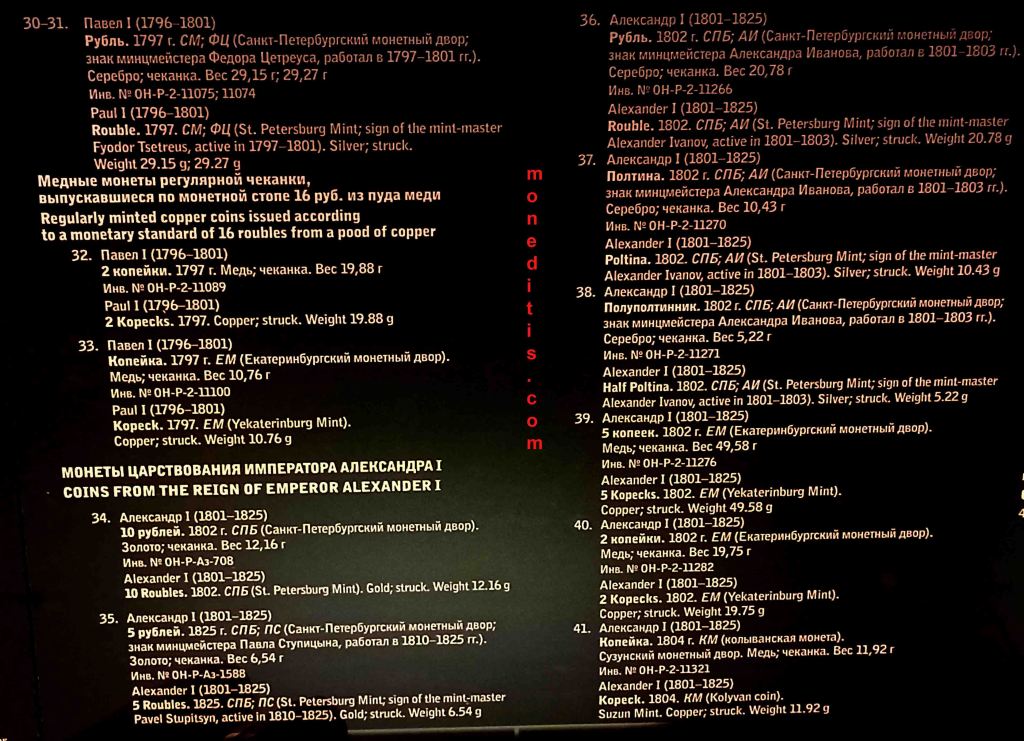
Aquí https://moneditis.com/tag/alejandro-i/ entradas de Alejandro I, entre las que destaco https://moneditis.com/2022/04/27/%d1%80%d1%83%d0%b1%d0%bb%d1%8c-1817-rublo-1817/
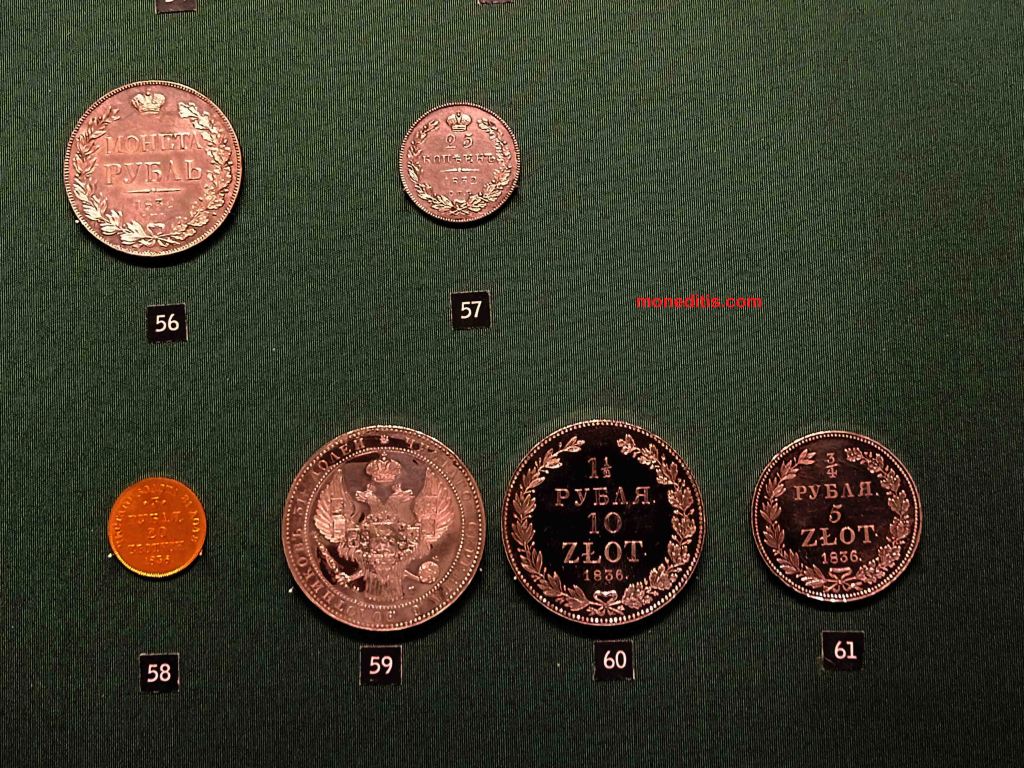
Aquí https://moneditis.com/tag/nicolas-i/ entre las que destaco https://moneditis.com/2023/05/20/5-rublos-1844-5-%d1%80%d1%83%d0%b1%d0%bb%d0%b5%d0%b9-1844/
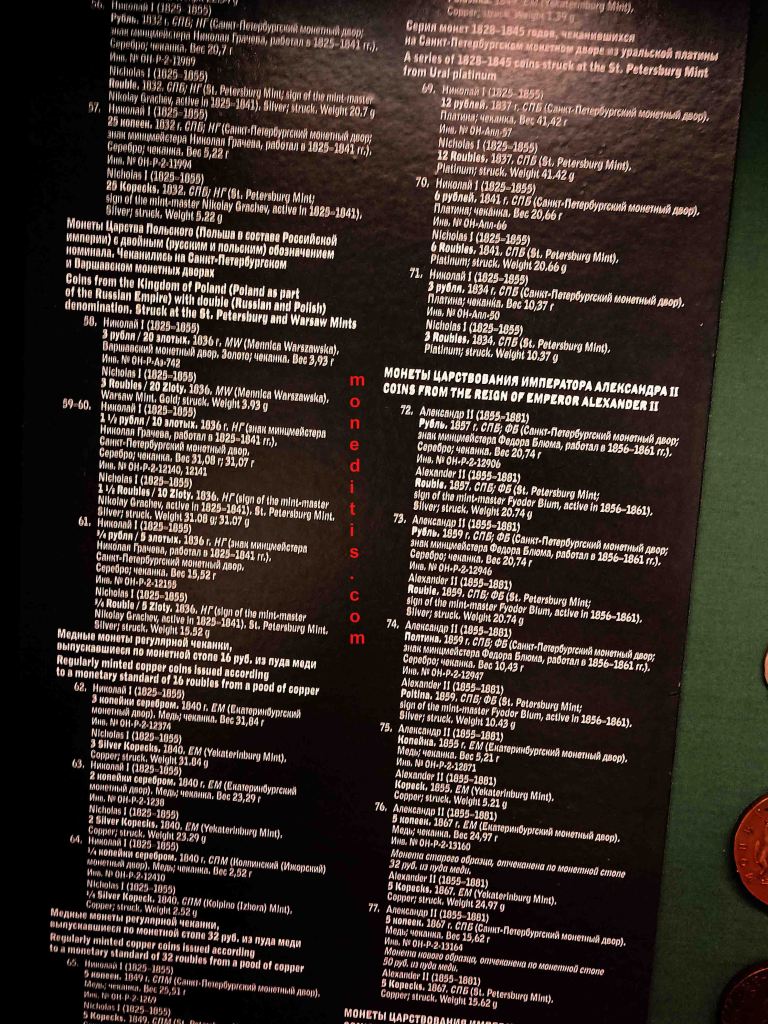
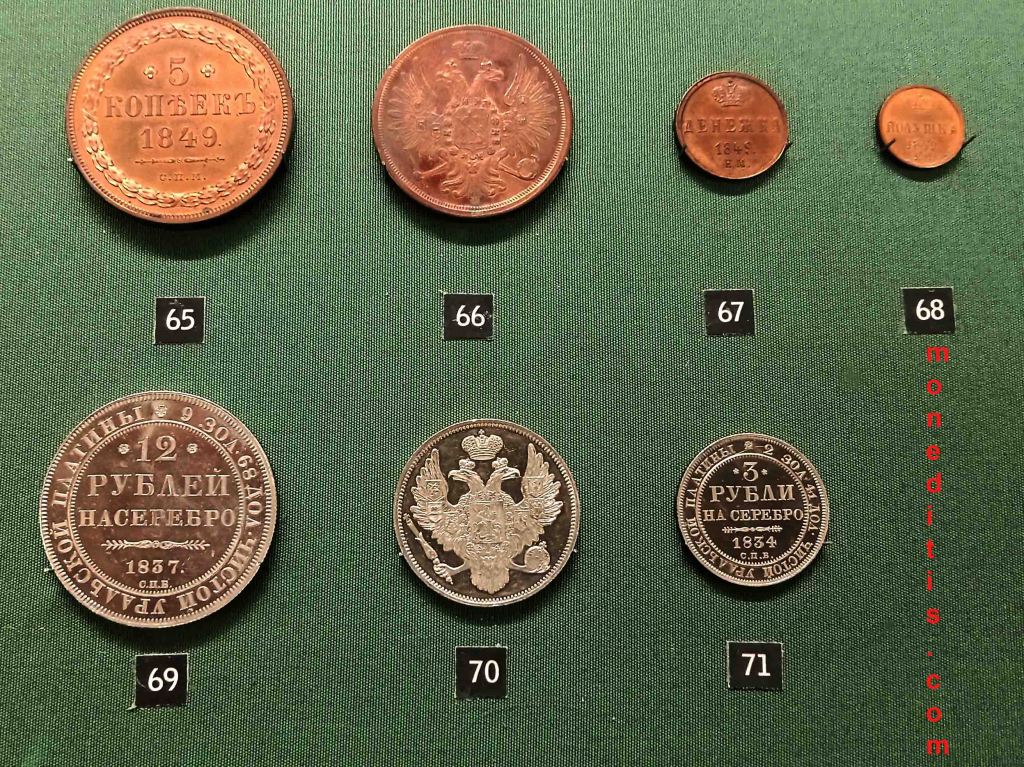
Faltan Alejandro II https://moneditis.com/tag/alejandro-ii/ Alejandro III https://moneditis.com/tag/alejandro-iii/ Nicolás II https://moneditis.com/tag/nicolas-ii/ y la URSS https://moneditis.com/tag/cccp/ https://moneditis.com/tag/urss/ , además de la Rusia actual del s.XXI
Coins of Russia, the Soviet Union and the Russian Federation
Russian coins encompassing nearly one thousand years of national history – from Kievan Rus to contemporary Russia – are most fully represented in the Hermitage numismatic collection. Currently the collection of Russian coins numbers around 300 thousand storage units.
The Hermitage collection of Russian coins was composed of separate small entries, of acquisitions and gifts from large private collections owned by J. Reichel, K.F. Schroll, the Stroganovs, I.I. Tolstoy, F.M. Plyushkin and others, as well as of acquisitions from government institutions, including the Kunstkamera’s numismatic collection, the Archaeological Commission, the Asian Museum of the Academy of Sciences, the Museum Fund, Gokhran (the State Precious Metals Repository) and others. Over a period of one and a half centuries, the mints that regularly sent the Museum their obligatory product samples, served as the collection’s chief source of replenishment.
More than half of the ancient Russian coins known at present – gold and silver coins issued in the reigns of Princes Vladimir Sviatoslavovich (988–1015), Sviatopolk the Accursed (1015–1018) and Yaroslav the Wise (1018–1054) – are put together in the Hermitage collection.
The Hermitage Museum possesses a splendid collection of silver and copper coins struck from flattened wire, a technique borrowed from the East. They come from the late 14th to early 16th century Russian grand duchies and apanage principalities. While generally only silver and copper coins were in circulation, starting from the second half of the 15th century the Moscow Princes occasionally struck gold coins to commemorate special occasions. The coins were designed for court ceremonies, they also served as diplomatic gifts and awards for meritorious military service. The Hermitage collection possesses a fairly representative selection of gold coins (“zolotye”) presented as awards to people who distinguished themselves.
Such extremely rare coins as rubli, poltiny, polupoltiny, as well as yefimki with countermark are the monuments of the failed monetary reform by Tsar Alexey Mikhailovich (1645–1676), who attempted to change dramatically the Russian coinage based on the wire silver kopeck. The monetary reform initiated by Peter I (1682–1725) proved to be more successful, as it was based on the decimal system with a wide range of gold, silver and copper coins of different denominations – from the gold double ruble down to the copper polushka (1/4 kopeck).
The Petrine era saw the resources of the Urals and Siberia being opened up. The successful search for and the development of silver ore and gold mines made it possible for Russia to almost completely supply by the late 18th century its steadily growing mintage with domestic raw materials. The Hermitage keeps a complete series of rare coins struck at the Ekaterinburg Mint including the unique ruble plate dated 1725 which carries a memorial inscription. From the year 1763 to 1847, there was the Kolyvan (Suzunsky) Mint working in the Altai, which struck the local copper Siberian coin for circulation in Siberia during the reign of Catherine II.
In the 19th century, over a period of 17 years, from 1828 to1845, the Imperial Mint in St. Petersburg made coins from the Urals’ indigenous platinum. In the second half of the 19thcentury, when nickel deposits were discovered in the Ural Mountains, the issue of replacing the circulating silver coinage with nickel one was repeatedly discussed by the Russian government.
The Museum collection represents mass- mintage coins, numerous examples of trial coins, as well as gift and commemorative coins of pre-Petrine and Imperial Russia, of the USSR and the Russian Federation.
 moneditis real deaocho